
Innovation and Technology
The Looming Threat of Q-Day: Are We Ready for a Security Collapse?

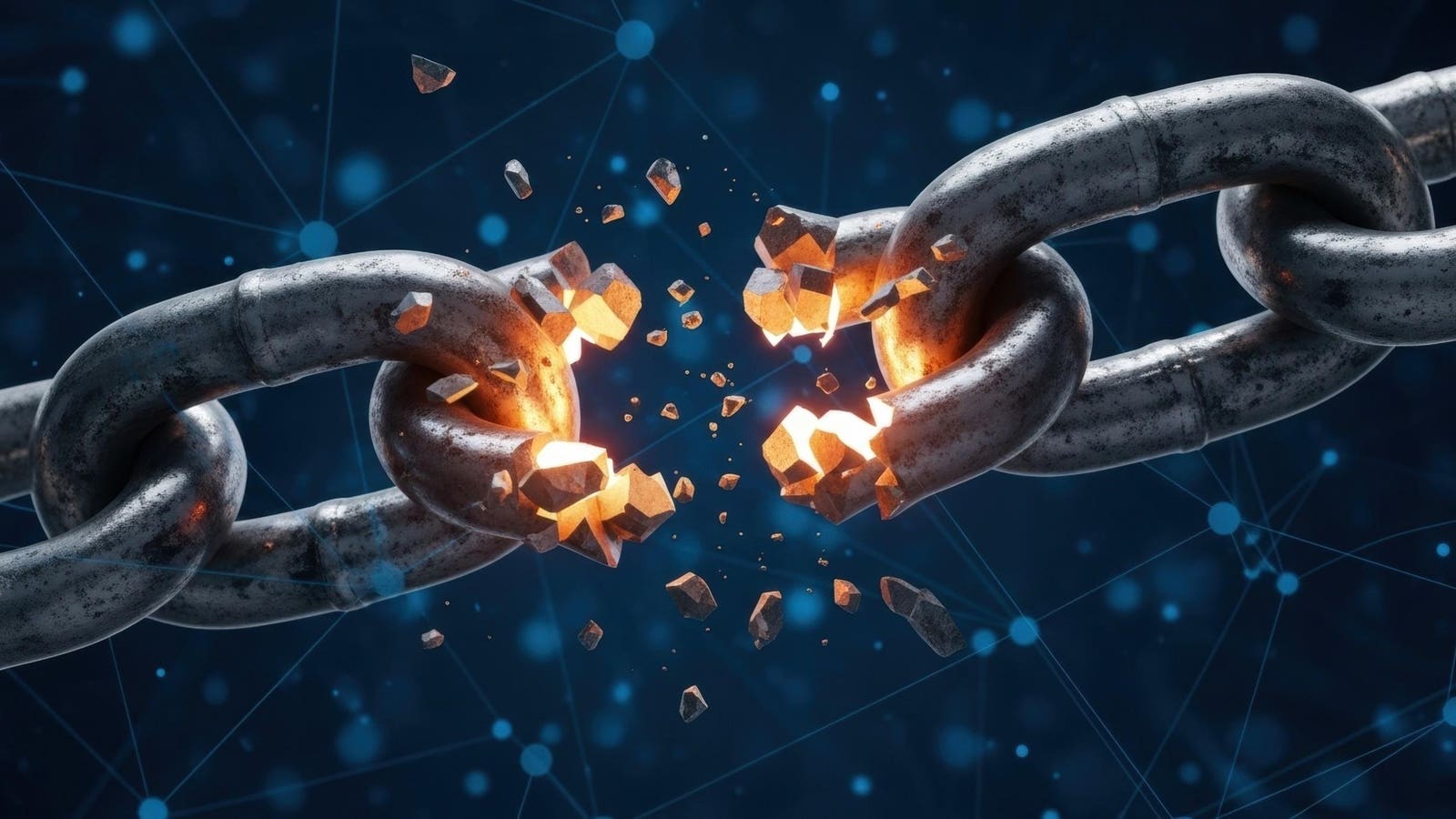
Imagine waking up one day to a world where privacy no longer exists—where bank transfers, emails, and even medical records are suddenly exposed or simply don’t work. Without digital encryption, the systems we rely on to keep everything from financial data to national security safe would collapse. That’s the reality experts warn could come with Q-Day: the moment when quantum computers become powerful enough to break current encryption standards.
Why Q-Day Is a Real Threat
Encryption works by scrambling data using complex algorithms and a unique key that only authorized parties can use to decrypt the information. It’s what keeps your credit card data safe online and ensures private messages stay private.
Right now, cracking modern encryption using a traditional (non-quantum) computer would take an absurd amount of time—some estimates say over 3 trillion years. But in 1994, mathematician Peter Shor showed that a powerful enough quantum computer could solve the same problem in seconds.
At the time, that seemed like science fiction. Today, it’s quickly becoming a reality.
What Could Happen on Q-Day?
Q-Day has massive geopolitical implications. In theory, it would allow nation-states, cybercriminals, and terrorist groups to break into secure systems—everything from military defense and healthcare to telecoms and banking. Critical infrastructure could be paralyzed, digital identities could be stolen, and financial markets could be thrown into chaos.
More alarming? Some hackers are already preparing. Through “harvest now, decrypt later” strategies, they’re stockpiling encrypted data today, waiting for the moment quantum machines can unlock it.
When Will Q-Day Happen?
Estimates vary widely. Google says it could be here as early as 2029, while some experts believe it’s still 20 to 30 years away. But regardless of the timeline, most agree: Q-Day is inevitable.
So what’s being done about it?
How the World Is Preparing
Governments, tech companies, and financial institutions aren’t sitting idle. In the U.S., a 2022 national security memorandum prioritized the development of quantum-safe cryptography—new encryption methods that can withstand attacks from quantum computers.
Companies like Cloudflare and HSBC are already testing quantum-resistant security. One method, Quantum Key Distribution (QKD), uses particles of light (photons) to detect tampering. If a hacker tries to intercept the key, it immediately changes, alerting both parties.
On the consumer side, tech companies are beginning to integrate quantum-safe protocols. Apple, for instance, recently introduced PQ3 encryption for iMessage, and many VPN providers are starting to upgrade their own systems.
What You Can Do Now
While quantum computing may sound too complex for everyday users, preparing for Q-Day doesn’t require a physics degree. Here’s what individuals and businesses can do today:
-
Audit your data: Know what sensitive information you store and where.
-
Explore quantum-safe tools: Choose services and apps that offer post-quantum encryption.
-
Stay informed: Track developments in digital security and data privacy.
-
Invest in long-term protection: Especially if you manage sensitive records, long-term data storage should be reviewed and updated.
The Bottom Line
Q-Day isn’t a conspiracy theory—it’s a serious, scientifically grounded possibility that’s reshaping how the world thinks about cybersecurity. The exact timing may be uncertain, but the risks are clear.
By preparing now, we can lessen the impact later—and ensure our digital world remains safe, secure, and resilient in the quantum age.
FAQs
Q: What is Q-Day?
A: Q-Day refers to the point in time when quantum computers can break current encryption standards, putting global digital security at risk.
Q: When could Q-Day happen?
A: Some predict as early as 2029; others believe it may take 20–30 years. But most experts agree it’s a matter of when, not if.
Q: What are the consequences?
A: From exposing personal and financial data to collapsing critical infrastructure, Q-Day could cause widespread disruption and economic damage.
Q: Can we prevent it?
A: We can’t stop quantum computers from advancing, but we can adopt quantum-safe technologies and protocols to protect our systems in time.
Q: What’s being done now?
A: Governments, corporations, and researchers are developing and implementing new encryption methods, including Quantum Key Distribution and post-quantum cryptography.




Community Mentorship Programs Help Strengthen Local Workforce and Social Impact

Low-Code Platforms are Changing How Businesses Build Internal Technology

Microlearning in Employee Training: A Practical Approach to Workplace Skill Development

Decision-Making Frameworks Improve Strategic Leadership and Organizational Clarity

Career Ladder Programs Strengthen Workforce Development and Employee Retention

Workplace Recognition Programs Improve Organizational Culture and Employee Engagement

Why Mental Endurance is Essential for Workplace Resilience

What Informational Interviews are and Why they Matter

How Emotional Intelligence Can Help You Manage Stress and Build Resilience

Interview with Dr. Kristy K. Taylor, WORxK Global News Magazine Founder

Sarah Herrlinger Talks AirPods Pro Hearing Aid

NetWork Your Way to Success: Top Tips for Maximizing Your Professional Network

Unlocking Human Potential: Kim Groshek’s Journey to Transforming Leadership and Stress Resilience

The Power of Belonging: Why Feeling Accepted Matters in the Workplace

Health-care stocks fall after Warren PBM bill, Brian Thompson shooting

Glenda Benevides: Creating Global Impact Through Music
-
 Resiliency7 months ago
How Emotional Intelligence Can Help You Manage Stress and Build Resilience
-
 Career Advice1 year ago
Interview with Dr. Kristy K. Taylor, WORxK Global News Magazine Founder
-
 Diversity and Inclusion (DEIA)1 year ago
Sarah Herrlinger Talks AirPods Pro Hearing Aid
-
 Career Advice1 year ago
NetWork Your Way to Success: Top Tips for Maximizing Your Professional Network
-
 Changemaker Interviews1 year ago
Unlocking Human Potential: Kim Groshek’s Journey to Transforming Leadership and Stress Resilience
-
 Diversity and Inclusion (DEIA)1 year ago
The Power of Belonging: Why Feeling Accepted Matters in the Workplace
-
 Global Trends and Politics1 year ago
Health-care stocks fall after Warren PBM bill, Brian Thompson shooting
-
 Changemaker Interviews12 months ago
Glenda Benevides: Creating Global Impact Through Music