
Community and Social Impact
The Neighborhood as an Engine: The Rise of Community Wealth Building

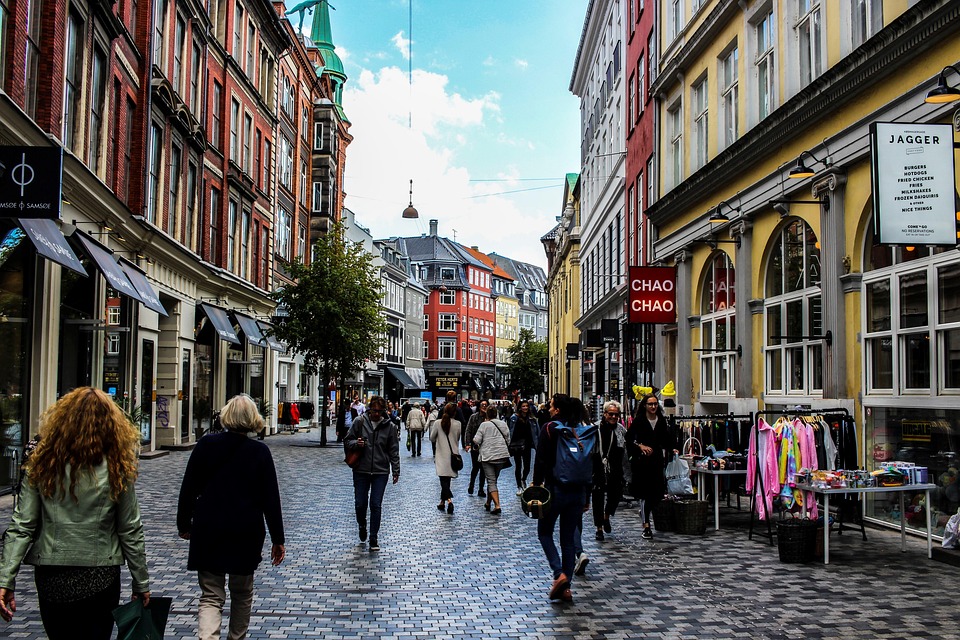
For a long time, the standard approach to urban “revitalization” was simple: attract a large corporation with tax breaks and hope the wealth trickles down into the neighborhood. However, communities are increasingly rejecting this “extractive” model. In its place is a movement known as Community Wealth Building (CWB)—a strategy that focuses on local ownership to ensure that the money generated within a neighborhood stays there.
Rather than relying on outside investment that often leads to displacement, CWB uses tools like Community Land Trusts (CLTs) and Worker Cooperatives to turn residents into stakeholders. The goal is to move from a “poverty-alleviation” mindset to a “wealth-multiplication” mindset.
The Five Pillars of Community Wealth
To build a resilient local economy, social impact leaders are focusing on five distinct architectural shifts:
1. Placed-Based Anchor Institutions “Anchor institutions”—such as hospitals and universities—are being encouraged to pivot their procurement strategies. Instead of buying supplies from global distributors, they are partnering with local worker-owned businesses. By shifting just a small percentage of their massive budgets to local vendors, these anchors provide a stable “customer base” that allows small community businesses to scale.
2. The Community Land Trust (CLT) Revolution One of the most effective tools against gentrification is the CLT. In this model, a community-governed nonprofit owns the land, while the residents own the homes on top of it. This untethers the cost of housing from the volatile real estate market. By removing the “land value” from the sale price, the home remains permanently affordable, ensuring that long-term residents aren’t priced out as the neighborhood improves.
3. Fair Employment and Worker Ownership The CWB model prioritizes Labor over Capital. We are seeing a surge in Worker Cooperatives, where employees own the company and share in its profits. This doesn’t just increase individual income; it builds democratic muscle. When workers are owners, the business is far less likely to relocate for a cheaper labor market, providing a “sticky” economic foundation for the community.
Hyperlocal Mutual Aid: The Social Safety Net
Parallel to these economic shifts is the rebirth of Hyperlocal Mutual Aid. Unlike traditional nonprofits that operate on a “provider-client” basis, mutual aid operates on Reciprocity.
These are decentralized networks of neighbors—often coordinated via simple digital tools—who share resources like tools, childcare, and surplus food.
-
Tool Libraries and Repair Cafes: These reduce the need for individual consumption and foster a “circular economy” at the street level.
-
Victory Garden Campaigns: In places like Cambodia and the United States, community-led gardens are providing both food security and “horticultural therapy,” strengthening the physical and mental health of the neighborhood.
Healing Social Fragmentation
The primary challenge in modern social impact is Systemic Distrust. Many communities view government and large nonprofits as “outsiders” who dictate terms without understanding the local context.
To heal this, impact leaders are adopting “Sense-Shaping”—a process where community members themselves identify the “hidden patterns” in their neighborhood’s needs. By using AI to analyze local sentiment and identify leverage points, organizations can ensure that their interventions are not just “well-meaning” but are actually aligned with the community’s lived reality.
The Sovereign Community
Community wealth building is a shift from “Saving” to “Empowering.” By focusing on Solidarity over Extraction, neighborhoods are becoming more than just places where people live; they are becoming self-sustaining ecosystems. The success of a community is no longer measured by the height of its new skyscrapers, but by the strength of its internal networks and the degree to which its residents control their own future.


Community Mentorship Programs Help Strengthen Local Workforce and Social Impact

Low-Code Platforms are Changing How Businesses Build Internal Technology

Microlearning in Employee Training: A Practical Approach to Workplace Skill Development

Decision-Making Frameworks Improve Strategic Leadership and Organizational Clarity

Career Ladder Programs Strengthen Workforce Development and Employee Retention

Workplace Recognition Programs Improve Organizational Culture and Employee Engagement

Why Mental Endurance is Essential for Workplace Resilience

What Informational Interviews are and Why they Matter

How Emotional Intelligence Can Help You Manage Stress and Build Resilience

Interview with Dr. Kristy K. Taylor, WORxK Global News Magazine Founder

Sarah Herrlinger Talks AirPods Pro Hearing Aid

NetWork Your Way to Success: Top Tips for Maximizing Your Professional Network

Unlocking Human Potential: Kim Groshek’s Journey to Transforming Leadership and Stress Resilience

The Power of Belonging: Why Feeling Accepted Matters in the Workplace

Health-care stocks fall after Warren PBM bill, Brian Thompson shooting

Glenda Benevides: Creating Global Impact Through Music
-
 Resiliency7 months ago
How Emotional Intelligence Can Help You Manage Stress and Build Resilience
-
 Career Advice1 year ago
Interview with Dr. Kristy K. Taylor, WORxK Global News Magazine Founder
-
 Diversity and Inclusion (DEIA)1 year ago
Sarah Herrlinger Talks AirPods Pro Hearing Aid
-
 Career Advice1 year ago
NetWork Your Way to Success: Top Tips for Maximizing Your Professional Network
-
 Changemaker Interviews1 year ago
Unlocking Human Potential: Kim Groshek’s Journey to Transforming Leadership and Stress Resilience
-
 Diversity and Inclusion (DEIA)1 year ago
The Power of Belonging: Why Feeling Accepted Matters in the Workplace
-
 Global Trends and Politics1 year ago
Health-care stocks fall after Warren PBM bill, Brian Thompson shooting
-
 Changemaker Interviews12 months ago
Glenda Benevides: Creating Global Impact Through Music