
Innovation and Technology
The People Have Spoken About Trump’s AI Plan. Will Washington Listen?

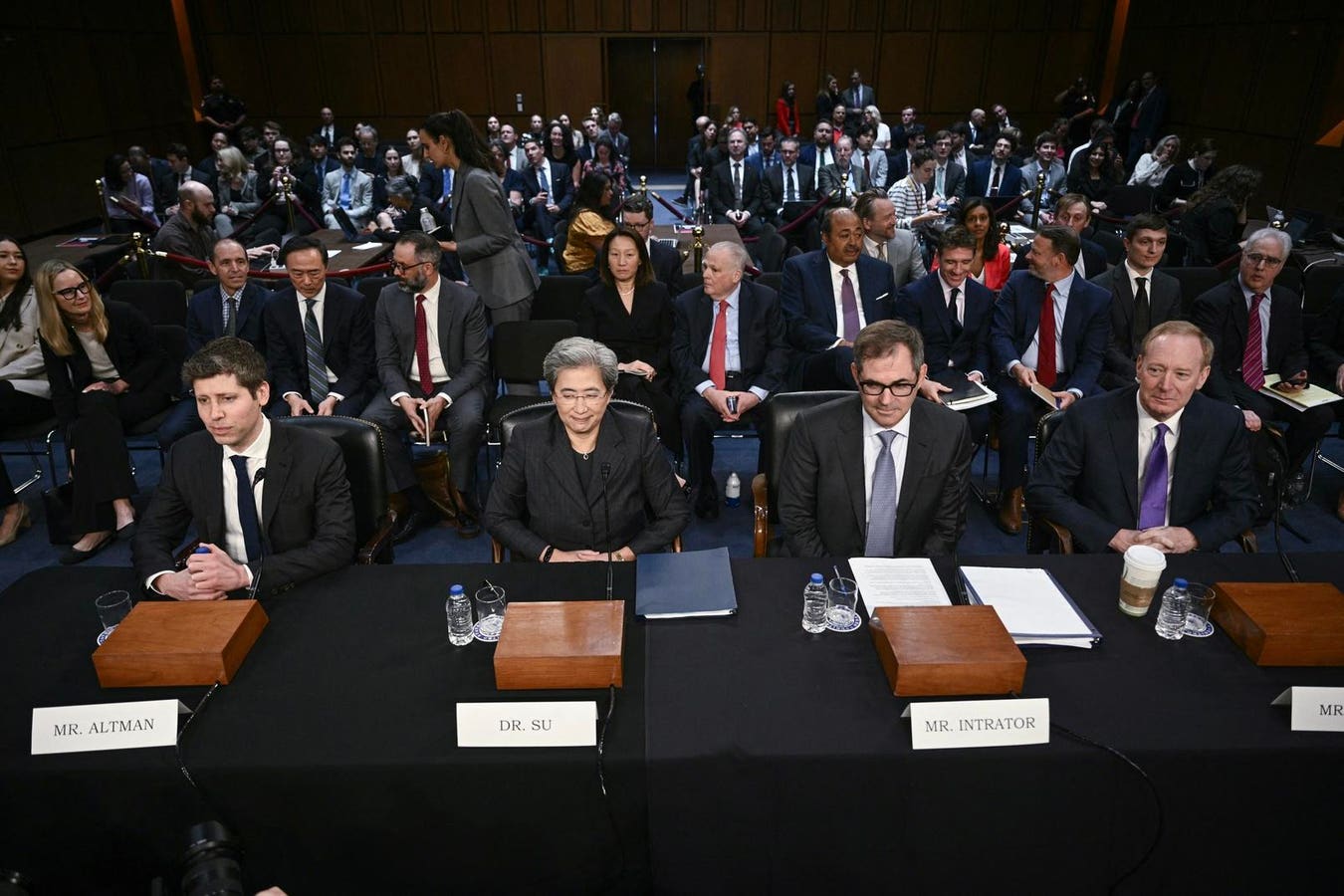
Introduction to the U.S. Artificial Intelligence Action Plan
The U.S. Artificial Intelligence Action Plan is due to be released, and the stakes are high. The Trump administration asked the public earlier this year to help shape the plan, and over 10,000 responses were received from tech giants, startups, venture capitalists, academics, nonprofit leaders, and everyday citizens. These responses reveal the tensions shaping America’s AI debate and highlight the divide between industry and civil society.
The Divide Between Industry and Civil Society
Our team analyzed the full set of public comments using a combination of machine learning and qualitative review. We grouped responses into six distinct “AI worldviews,” ranging from accelerationists advocating rapid, deregulated deployment to public interest advocates prioritizing equity and democratic safeguards. We also classified submitters by sector: big tech, small tech (including VCs) and civil society. The result offers a more structured picture of America’s AI discourse and a clearer understanding of where consensus ends and conflict begins.
Industry and Civil Society: Polar Opposites
Industry and civil society are polar opposites: 78% of industry actors are accelerationists or national security hawks, while close to 75% of civil society respondents focus on public interest and responsible AI advocacy. Tech companies overwhelmingly support U.S. global leadership in AI and warn against a fragmented regulatory landscape.
The Innovation vs. Governance: A Fault Line
Tech companies, including OpenAI and Meta, warn that diverging rules could impede innovation and investment. Leading VCs, including Andreessen Horowitz and True Ventures, echo these concerns, cautioning against “preemptively burdening developers with onerous requirements” and pushing for a “light-touch” federal framework to protect early-stage startups from compliance burdens. However, civil society groups argue that the harms caused by AI are not hypothetical, but real, and support enforceable audits, copyright protections, community oversight, and redress mechanisms.
Traditional Enterprise Firms vs. Frontier Labs and VCs
Traditional enterprise firms, such as Microsoft and IBM, adopt a more measured stance, pairing calls for innovation with proposals for voluntary standards, documentation, and public-private partnerships. In contrast, frontier labs and VCs resist binding rules unless clear harms have already materialized.
Shared Priorities, Divergent Principles
Despite philosophical divides, there is some common ground. Nearly all industry actors agree on the need for federal investment in AI infrastructure, energy, compute clusters, and workforce development. However, when it comes to accountability, consensus collapses. Industry prefers internal testing and voluntary guidelines, while civil society demands external scrutiny and binding oversight.
Definition of "Safety"
The definition of "safety" also differs between industry and civil society. For tech companies, it’s a technical challenge, while for civil society, it’s a question of power, rights, and trust.
Why This Matters for the Action Plan
Policymakers face a strategic choice. They can lean into the innovation-at-all-costs agenda championed by accelerationist voices or take seriously the concerns about democratic erosion, labor dislocation, and social harms raised by civil society. However, this isn’t a binary choice. Our findings suggest a path forward: a governance model that promotes innovation while embedding accountability.
A Governance Model for Innovation and Accountability
This will require more than voluntary commitments. It demands federal leadership to harmonize rules, incentivize best practices, and protect the public interest. Congress has a central role to play in building guardrails before disaster strikes.
Bridging the Divide
There is no perfect formula for balancing speed and safety. But failing to bridge the value divide between industry and civil society risks eroding public trust in AI altogether. The public is skeptical, and rightfully so. In hundreds of comments, individuals voiced concerns about job loss, copyright theft, disinformation, and surveillance.
The Need for Accountability
If the U.S. wants to lead in AI, it must lead not just in model performance but also in model governance. That means designing a system where all stakeholders, not just the largest companies, have a seat at the table. The Action Plan must reflect the complexity of the moment and should not merely echo the priorities of the powerful.
Conclusion
The U.S. Artificial Intelligence Action Plan is a critical document that will shape the future of AI in the country. The divide between industry and civil society is clear, and policymakers must take a balanced approach to promote innovation while embedding accountability. The public has spoken, and it is up to Washington to listen to all stakeholders, not just the powerful.
FAQs
Q: What is the U.S. Artificial Intelligence Action Plan?
A: The U.S. Artificial Intelligence Action Plan is a document that outlines the country’s strategy for AI development and deployment.
Q: Who responded to the public consultation on the Action Plan?
A: Over 10,000 responses were received from tech giants, startups, venture capitalists, academics, nonprofit leaders, and everyday citizens.
Q: What are the main differences between industry and civil society responses?
A: Industry actors tend to prioritize innovation and deregulation, while civil society respondents focus on public interest and responsible AI advocacy.
Q: What is the definition of "safety" in the context of AI?
A: The definition of "safety" differs between industry and civil society. For tech companies, it’s a technical challenge, while for civil society, it’s a question of power, rights, and trust.
Q: What is the role of Congress in shaping the Action Plan?
A: Congress has a central role to play in building guardrails before disaster strikes and ensuring that the Action Plan reflects the complexity of the moment.




Community Mentorship Programs Help Strengthen Local Workforce and Social Impact

Low-Code Platforms are Changing How Businesses Build Internal Technology

Microlearning in Employee Training: A Practical Approach to Workplace Skill Development

Decision-Making Frameworks Improve Strategic Leadership and Organizational Clarity

Career Ladder Programs Strengthen Workforce Development and Employee Retention

Workplace Recognition Programs Improve Organizational Culture and Employee Engagement

Why Mental Endurance is Essential for Workplace Resilience

What Informational Interviews are and Why they Matter

How Emotional Intelligence Can Help You Manage Stress and Build Resilience

Interview with Dr. Kristy K. Taylor, WORxK Global News Magazine Founder

Sarah Herrlinger Talks AirPods Pro Hearing Aid

NetWork Your Way to Success: Top Tips for Maximizing Your Professional Network

Unlocking Human Potential: Kim Groshek’s Journey to Transforming Leadership and Stress Resilience

The Power of Belonging: Why Feeling Accepted Matters in the Workplace

Health-care stocks fall after Warren PBM bill, Brian Thompson shooting

Glenda Benevides: Creating Global Impact Through Music
-
 Resiliency7 months ago
How Emotional Intelligence Can Help You Manage Stress and Build Resilience
-
 Career Advice1 year ago
Interview with Dr. Kristy K. Taylor, WORxK Global News Magazine Founder
-
 Diversity and Inclusion (DEIA)1 year ago
Sarah Herrlinger Talks AirPods Pro Hearing Aid
-
 Career Advice1 year ago
NetWork Your Way to Success: Top Tips for Maximizing Your Professional Network
-
 Changemaker Interviews1 year ago
Unlocking Human Potential: Kim Groshek’s Journey to Transforming Leadership and Stress Resilience
-
 Diversity and Inclusion (DEIA)1 year ago
The Power of Belonging: Why Feeling Accepted Matters in the Workplace
-
 Global Trends and Politics1 year ago
Health-care stocks fall after Warren PBM bill, Brian Thompson shooting
-
 Changemaker Interviews12 months ago
Glenda Benevides: Creating Global Impact Through Music