
Organizational Culture
The Performance Pivot: Why Outcome-Led Design is Replacing the Attendance Metric

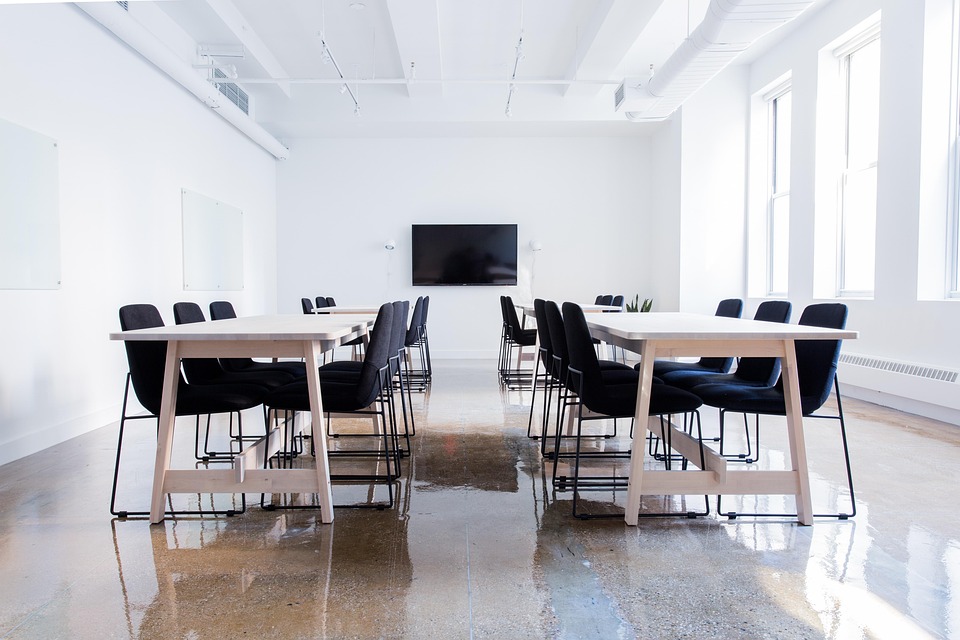
A fundamental recalibration is occurring in how high-performing teams define “work.” Organizations are aggressively moving away from attendance policing and toward Outcome-Led Work Design. This strategy treats flexibility not as a perk, but as a total reward and a primary driver of workplace effectiveness.
Recent data shows that companies prioritizing autonomy over physical presence see higher promotion rates and significant gains in productivity. The focus is shifting from enforcing office mandates to engineering environments where work happens based on collaboration needs and project goals.
Beyond the Compliance Exercise
Many leadership teams are realizing that treating the office as a compliance tool—linking physical presence directly to career progression—creates a fragile culture. Modern cultures are instead being built on “trust-driven coordination,” where the unit of productivity is the successful completion of a goal, not the hours spent in a specific seat.
“The conversation has to move beyond policy and into culture,” says Bhavya Mishra, a chief HR officer. “When presence is determined by work outcomes rather than a fixed formula, you build a more inclusive and high-performance organization.”
The Rise of the ‘Fluid Workday’
The traditional workday is being replaced by Fluid Workdays and Ultra-Flex Models. In these environments, teams operate across geographies and time zones using “Time-Independent Workflows.” By prioritizing documented context and recorded updates over constant real-time availability, companies are reducing cognitive overload and protecting periods of deep focus.
-
Hybrid-by-Design: Roles are being restructured around the specific tasks they require, with physical presence reserved for high-stakes collaboration.
-
Async-First Practices: Communication is shifting toward structured documentation, allowing progress to continue without requiring every team member to be online simultaneously.
-
Human Sustainability: Leaders are treating workforce health and energy levels as core business conditions, recognizing that disengaged employees who physically show up but mentally check out cost organizations up to 40% in lost performance.
Leadership as System Design
In this outcome-focused culture, the role of the manager is changing. Leadership value is no longer found in personal problem-solving or monitoring daily tasks, but in designing systems that allow problems to surface and resolve quickly. This requires a leaner corporate center and a distribution of decision-making authority closer to the actual work.
Bottom Line
The organizations gaining momentum today are those that protect human capacity by removing the friction of outdated schedules. Success is now defined by how quickly a team can align and perform, not by the visibility of its members. By anchoring culture in results and trust, companies are creating a more resilient and attractive environment for top-tier talent.


Community Mentorship Programs Help Strengthen Local Workforce and Social Impact

Low-Code Platforms are Changing How Businesses Build Internal Technology

Microlearning in Employee Training: A Practical Approach to Workplace Skill Development

Decision-Making Frameworks Improve Strategic Leadership and Organizational Clarity

Career Ladder Programs Strengthen Workforce Development and Employee Retention

Workplace Recognition Programs Improve Organizational Culture and Employee Engagement

Why Mental Endurance is Essential for Workplace Resilience

What Informational Interviews are and Why they Matter

How Emotional Intelligence Can Help You Manage Stress and Build Resilience

Interview with Dr. Kristy K. Taylor, WORxK Global News Magazine Founder

Sarah Herrlinger Talks AirPods Pro Hearing Aid

NetWork Your Way to Success: Top Tips for Maximizing Your Professional Network

Unlocking Human Potential: Kim Groshek’s Journey to Transforming Leadership and Stress Resilience

The Power of Belonging: Why Feeling Accepted Matters in the Workplace

Health-care stocks fall after Warren PBM bill, Brian Thompson shooting

Glenda Benevides: Creating Global Impact Through Music
-
 Resiliency7 months ago
How Emotional Intelligence Can Help You Manage Stress and Build Resilience
-
 Career Advice1 year ago
Interview with Dr. Kristy K. Taylor, WORxK Global News Magazine Founder
-
 Diversity and Inclusion (DEIA)1 year ago
Sarah Herrlinger Talks AirPods Pro Hearing Aid
-
 Career Advice1 year ago
NetWork Your Way to Success: Top Tips for Maximizing Your Professional Network
-
 Changemaker Interviews1 year ago
Unlocking Human Potential: Kim Groshek’s Journey to Transforming Leadership and Stress Resilience
-
 Diversity and Inclusion (DEIA)1 year ago
The Power of Belonging: Why Feeling Accepted Matters in the Workplace
-
 Global Trends and Politics1 year ago
Health-care stocks fall after Warren PBM bill, Brian Thompson shooting
-
 Changemaker Interviews12 months ago
Glenda Benevides: Creating Global Impact Through Music