
Global Trends and Politics
The Productivity Paradox: How Political Tensions are Sapping Employee Focus

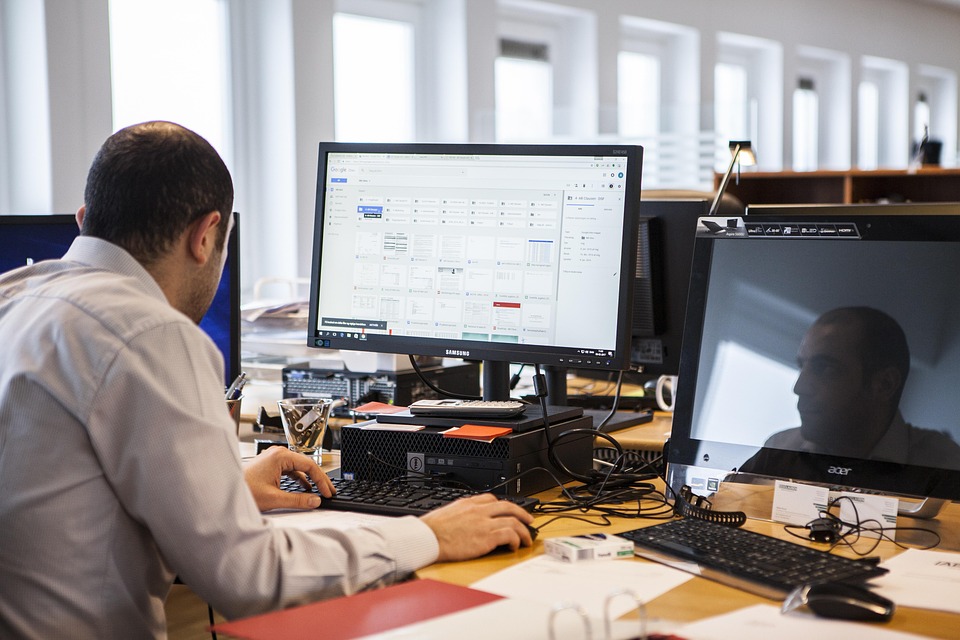
The Productivity Paradox: How Political Tensions are Sapping Employee Focus
The Growing Concern of Political Tensions in the Workplace
In recent years, the world has witnessed an unprecedented level of political polarization, with many countries experiencing intense debates, protests, and even violence. This has led to a growing concern about the impact of political tensions on the workplace. As employees grapple with the uncertainty and divisiveness, it’s becoming increasingly challenging for them to maintain their focus and productivity. In this article, we’ll delve into the phenomenon of the "productivity paradox" – how political tensions are sapping employee focus and what can be done to mitigate its effects.
The Rise of Political Tensions
The rise of social media has created a 24/7 news cycle, making it difficult for people to avoid exposure to political debates, protests, and controversies. This constant barrage of information can be overwhelming, leading to feelings of anxiety, stress, and fatigue. As a result, many employees find themselves struggling to concentrate on their work, and their productivity suffers as a result.
The Impact on Employee Well-being
Research has shown that political tensions can have a significant impact on employee well-being. A study by the American Psychological Association found that 62% of employees experienced stress due to political discussions at work, while 45% reported feeling anxious or depressed. This not only affects individual well-being but also has a ripple effect on the organization as a whole.
The Productivity Paradox
So, why are we experiencing a paradox? With the rise of remote work and flexible schedules, one might expect that employees would be more productive and efficient. However, the opposite is true. A survey by Gallup found that 43% of employees reported that politics was a significant distraction, while 37% said it affected their productivity. This suggests that the very flexibility and autonomy that was meant to boost productivity is, in fact, being undermined by political tensions.
The Role of Leadership
Leadership plays a crucial role in addressing the impact of political tensions on the workplace. They can take several steps to mitigate the effects:
- Encourage open communication: Leaders can foster an environment where employees feel comfortable sharing their concerns and opinions, helping to build trust and reduce anxiety.
- Promote a culture of respect: Encourage employees to treat one another with respect, even when disagreeing on political issues.
- Provide resources for stress reduction: Offer employee assistance programs, mental health resources, and stress-reduction techniques to help employees manage the pressures of political tensions.
The Role of Employees
While leadership can play a significant role, employees also have a responsibility to manage their own reactions to political tensions:
- Set boundaries: Recognize when you’re feeling overwhelmed and take steps to disconnect from political discussions, such as limiting social media use or avoiding certain topics.
- Practice self-care: Engage in activities that promote relaxation and stress reduction, such as exercise, meditation, or hobbies.
- Focus on what you can control: Instead of worrying about external factors, focus on what you can control, such as your work performance and personal goals.
Conclusion
The product of political tensions is a growing concern that can have far-reaching consequences for employee well-being and productivity. As leaders and employees, it’s essential to recognize the impact of these tensions and take steps to mitigate their effects. By promoting open communication, building a culture of respect, and prioritizing self-care, we can create a more productive and harmonious work environment.
Frequently Asked Questions
Q: How can I avoid discussing politics at work?
A: It’s not always possible to avoid discussing politics, but you can set boundaries by limiting your participation or changing the subject.
Q: How can I manage my stress and anxiety caused by political tensions?
A: Engage in activities that promote relaxation, such as exercise, meditation, or hobbies. Consider seeking professional help if you’re struggling to cope.
Q: How can my employer support me in managing political tensions?
A: Encourage your employer to provide resources for stress reduction, such as employee assistance programs or mental health resources. You can also speak with HR or a supervisor about your concerns and propose solutions.
Q: What can I do if I’m feeling overwhelmed by political tensions?
A: Take a break from social media, limit your exposure to news, and focus on what you can control. Prioritize your physical and mental well-being, and don’t be afraid to seek help if needed.


Community Mentorship Programs Help Strengthen Local Workforce and Social Impact

Low-Code Platforms are Changing How Businesses Build Internal Technology

Microlearning in Employee Training: A Practical Approach to Workplace Skill Development

Decision-Making Frameworks Improve Strategic Leadership and Organizational Clarity

Career Ladder Programs Strengthen Workforce Development and Employee Retention

Workplace Recognition Programs Improve Organizational Culture and Employee Engagement

Why Mental Endurance is Essential for Workplace Resilience

What Informational Interviews are and Why they Matter

How Emotional Intelligence Can Help You Manage Stress and Build Resilience

Interview with Dr. Kristy K. Taylor, WORxK Global News Magazine Founder

Sarah Herrlinger Talks AirPods Pro Hearing Aid

NetWork Your Way to Success: Top Tips for Maximizing Your Professional Network

Unlocking Human Potential: Kim Groshek’s Journey to Transforming Leadership and Stress Resilience

The Power of Belonging: Why Feeling Accepted Matters in the Workplace

Health-care stocks fall after Warren PBM bill, Brian Thompson shooting

Glenda Benevides: Creating Global Impact Through Music
-
 Resiliency7 months ago
How Emotional Intelligence Can Help You Manage Stress and Build Resilience
-
 Career Advice1 year ago
Interview with Dr. Kristy K. Taylor, WORxK Global News Magazine Founder
-
 Diversity and Inclusion (DEIA)1 year ago
Sarah Herrlinger Talks AirPods Pro Hearing Aid
-
 Career Advice1 year ago
NetWork Your Way to Success: Top Tips for Maximizing Your Professional Network
-
 Changemaker Interviews1 year ago
Unlocking Human Potential: Kim Groshek’s Journey to Transforming Leadership and Stress Resilience
-
 Diversity and Inclusion (DEIA)1 year ago
The Power of Belonging: Why Feeling Accepted Matters in the Workplace
-
 Global Trends and Politics1 year ago
Health-care stocks fall after Warren PBM bill, Brian Thompson shooting
-
 Changemaker Interviews12 months ago
Glenda Benevides: Creating Global Impact Through Music