
Training and Development
The Upskilling Journey: How to Create a Personalized Learning Path for Your Employees

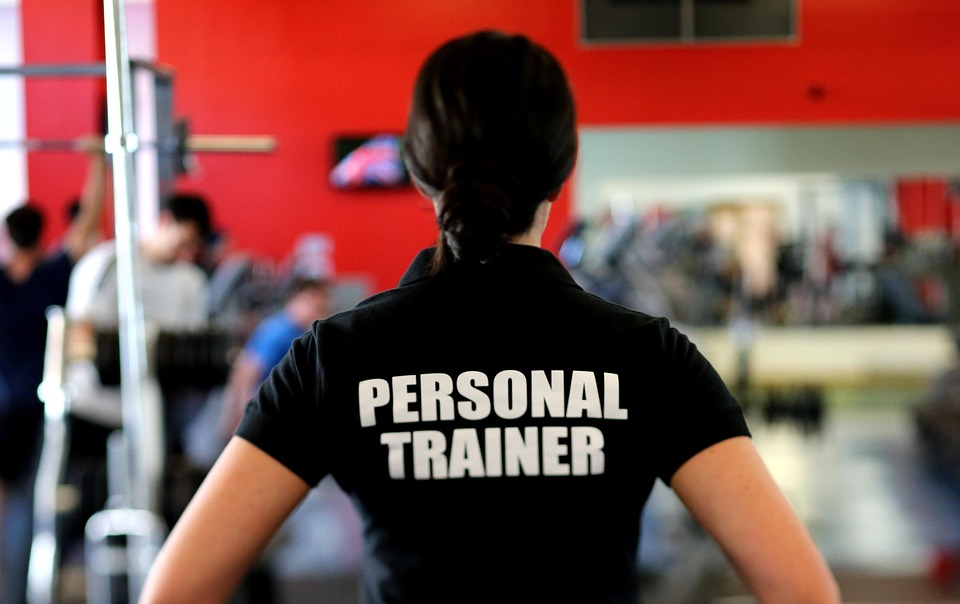
Introduction to the Upskilling Journey
The modern workplace is constantly evolving, with new technologies and innovations emerging every day. To stay ahead of the curve, it’s essential for employees to continuously update their skills and knowledge. This is where the upskilling journey comes in – a personalized learning path that helps employees develop the skills they need to succeed in their roles. In this article, we’ll explore the importance of upskilling and provide guidance on how to create a tailored learning path for your employees.
Why Upskilling Matters
In today’s fast-paced business environment, upskilling is no longer a luxury, but a necessity. With the rise of automation and artificial intelligence, many jobs are at risk of becoming obsolete. However, by investing in employee upskilling, organizations can future-proof their workforce and stay competitive. Upskilling not only enhances employee skills and knowledge but also boosts morale, increases job satisfaction, and reduces turnover rates. Moreover, it allows employees to take on new challenges and responsibilities, leading to greater career advancement opportunities.
Identifying Skill Gaps
The first step in creating a personalized learning path is to identify the skill gaps within your organization. This involves conducting a thorough analysis of your employees’ current skills and knowledge, as well as the skills required for their roles. You can use various methods, such as skills assessments, surveys, and feedback sessions, to gather this information. By pinpointing the areas where employees need improvement, you can develop targeted learning initiatives that address these gaps.
Creating a Personalized Learning Path
A personalized learning path is tailored to the unique needs and goals of each employee. To create such a path, you need to consider several factors, including the employee’s current role, career aspirations, and learning style. You can use a combination of online courses, workshops, mentoring, and on-the-job training to provide employees with a comprehensive learning experience. It’s also essential to set clear goals and objectives, as well as establish a system for tracking progress and evaluating the effectiveness of the learning path.
Utilizing Technology-Enhanced Learning
Technology has revolutionized the way we learn, and it plays a vital role in the upskilling journey. Online learning platforms, such as learning management systems (LMS) and massive open online courses (MOOCs), offer a wide range of courses and resources that can be accessed anytime, anywhere. These platforms also provide analytics and feedback tools, enabling you to track employee progress and identify areas where they need additional support. By leveraging technology-enhanced learning, you can create a more flexible and accessible learning environment that caters to the diverse needs of your employees.
Measuring Success and Overcoming Challenges
Measuring the success of an upskilling initiative is crucial to its effectiveness. You can use various metrics, such as employee engagement, skill acquisition, and job performance, to evaluate the impact of the learning path. However, upskilling is not without its challenges. Common obstacles include lack of time, limited resources, and employee resistance to change. To overcome these challenges, it’s essential to communicate the benefits of upskilling clearly, provide ongoing support and feedback, and celebrate employee successes along the way.
Sustaining the Upskilling Journey
The upskilling journey is a continuous process that requires ongoing commitment and support. To sustain the momentum, you need to regularly review and update the learning path, incorporating new technologies and trends as they emerge. It’s also essential to encourage a culture of lifelong learning, where employees are empowered to take ownership of their skill development and pursue opportunities for growth and advancement. By doing so, you can create a workforce that is agile, adaptable, and equipped to thrive in an ever-changing business landscape.


Community Mentorship Programs Help Strengthen Local Workforce and Social Impact

Low-Code Platforms are Changing How Businesses Build Internal Technology

Microlearning in Employee Training: A Practical Approach to Workplace Skill Development

Decision-Making Frameworks Improve Strategic Leadership and Organizational Clarity

Career Ladder Programs Strengthen Workforce Development and Employee Retention

Workplace Recognition Programs Improve Organizational Culture and Employee Engagement

Why Mental Endurance is Essential for Workplace Resilience

What Informational Interviews are and Why they Matter

How Emotional Intelligence Can Help You Manage Stress and Build Resilience

Interview with Dr. Kristy K. Taylor, WORxK Global News Magazine Founder

Sarah Herrlinger Talks AirPods Pro Hearing Aid

NetWork Your Way to Success: Top Tips for Maximizing Your Professional Network

Unlocking Human Potential: Kim Groshek’s Journey to Transforming Leadership and Stress Resilience

The Power of Belonging: Why Feeling Accepted Matters in the Workplace

Health-care stocks fall after Warren PBM bill, Brian Thompson shooting

Glenda Benevides: Creating Global Impact Through Music
-
 Resiliency7 months ago
How Emotional Intelligence Can Help You Manage Stress and Build Resilience
-
 Career Advice1 year ago
Interview with Dr. Kristy K. Taylor, WORxK Global News Magazine Founder
-
 Diversity and Inclusion (DEIA)1 year ago
Sarah Herrlinger Talks AirPods Pro Hearing Aid
-
 Career Advice1 year ago
NetWork Your Way to Success: Top Tips for Maximizing Your Professional Network
-
 Changemaker Interviews1 year ago
Unlocking Human Potential: Kim Groshek’s Journey to Transforming Leadership and Stress Resilience
-
 Diversity and Inclusion (DEIA)1 year ago
The Power of Belonging: Why Feeling Accepted Matters in the Workplace
-
 Global Trends and Politics1 year ago
Health-care stocks fall after Warren PBM bill, Brian Thompson shooting
-
 Changemaker Interviews12 months ago
Glenda Benevides: Creating Global Impact Through Music