
Diversity and Inclusion (DEIA)
Three Challenges With Modern Day Economic Boycotts

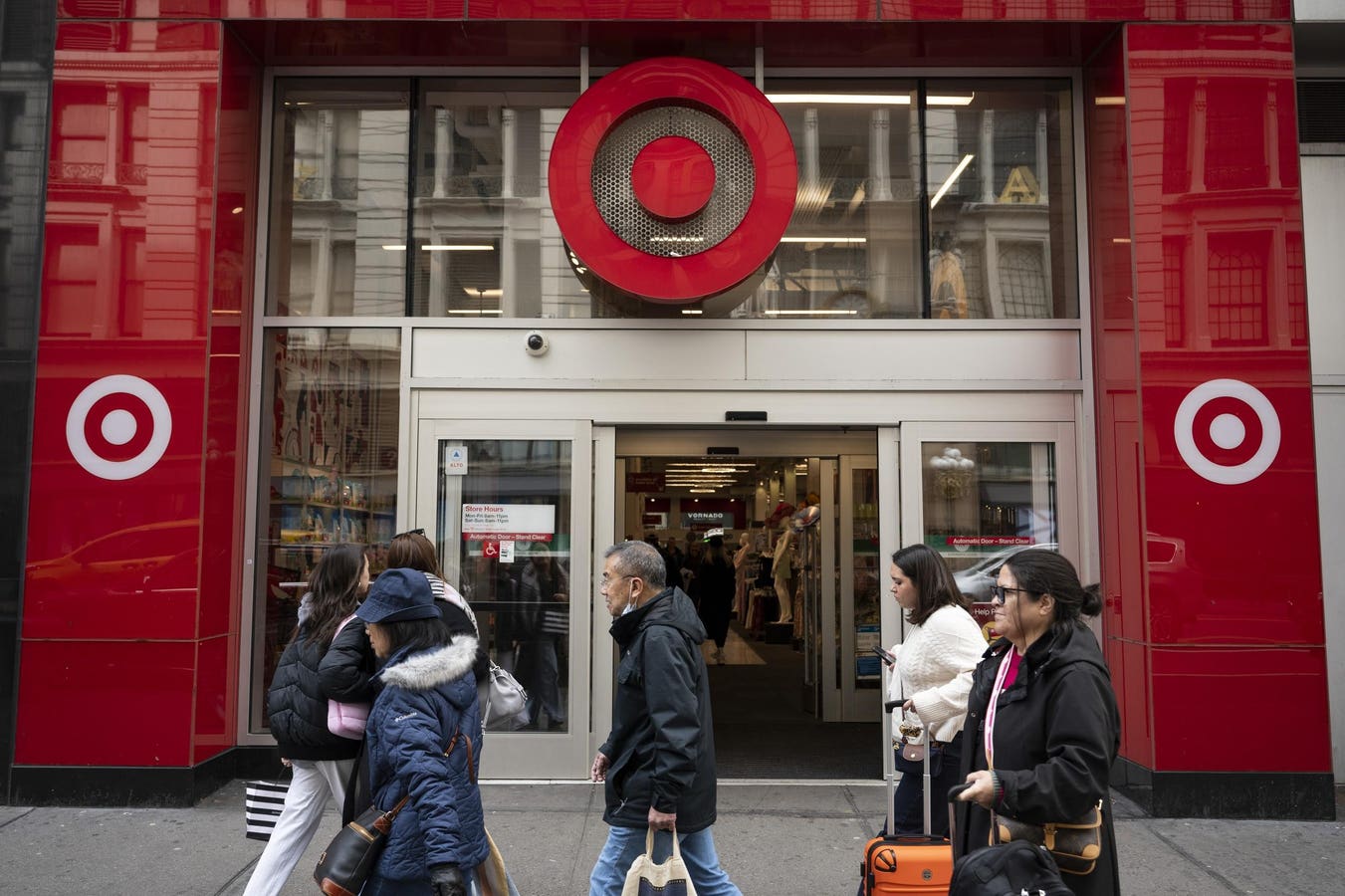
NEW YORK, UNITED STATES – MARCH 06: People walk past Target Store in Midtown Manhattan on March 06, 2025 in New York City, United States. (Photo by Mostafa Bassim/Anadolu via Getty Images)
Boycotts: A Tool for Change or a Symbolic Gesture?
In recent months, there’s been no shortage of calls for boycotts for brands that have chosen to rollback their diversity, equity, and inclusion efforts. Amazon, Target, Wal-Mart, and Nestle are the latest companies organizers are urging consumers to stay away from for a time period.
Mixed Results
Thus far, results have been mixed. While Tesla stock is down, and website and foot traffic are down at Target in comparison to the prior year, Amazon seems to be unscathed thus far.
The Power of Consumers
Boycotts are a go-to tool consumers use to make their voices heard and to exercise their power. One study showed that three quarters of consumers have parted ways with a brand due to a conflict in values. That same study showed that 39% of shoppers said they’d permanently boycott their favorite brand as a result of a conflict in values.
The Challenges of Large-Scale Boycotts
However, it’s the larger scale boycotts, like the ones being called for now that are feeling the impact of challenges that did not exist at the same levels back in the Civil Rights Movement in the U.S. that saw mass boycotts making a big impact. Here are a few reasons why.
Consumers Aren’t United in the Same Way
As I’ve watched different leaders and consumers talk about the boycotts, one of the things that has become more clear is that there are plenty of people who’ve heard about the boycotts, but are choosing not to participate.
The Problem with Performative Boycotts
Dr. Anastasia Kārkliņa Gabriel is a culture expert and author of Cultural Intelligence for Marketers. She explains if not approached the right way, boycotts are often merely performative. "For boycotts to be effective, people must be willing to move beyond symbolic platitudes and step into disciplined, long-term organizing. Without structure and strategy, most calls for boycotts remain performative rather than transformative. The outrage just fizzles out before the potential for real economic pressure is ever fully achieved."
Everyone Doesn’t Have the Privilege Needed to Engage in Economic Boycotts
During the Civil Rights Movement, the fight for civil rights was a core need. If you plotted civil rights on Maslow’s Hierarchy of Needs, it would likely fall in the base part of the hierarchy, between physiological and safety needs.
The Hierarchy of Needs
The fight for basic rights were a priority for people, and something that was easier for people to get behind. Today’s boycotts, in response to companies’ stance on diversity and inclusion, for many feels like it is higher up on the Hierarchy of Needs, more in the realm of love and belonging and esteem. Those differences, impact consumers’ decision and ability to boycott.
Consumers Don’t Want to Beg Brands to Be Good to Them
The organizers for the boycott against retailer Target, have four demands of the brand, including reinstating its $2 billion dollar pledge to Black businesses, and to restore and expand the diversity, equity, and inclusion initiatives that were dismantled.
A New Approach to Boycotts
Many consumers are choosing instead to buy from brands who are already demonstrating that they do care about them, and their communities. Dr. Gabriel agrees with this approach. Her advice to consumers to make an impact is to, "Boycott, but don’t stop there. As consumers, we ought to support businesses that have chosen not to succumb to fear-mongering and far-right extremism and have instead deliberately stood by their commitments."
Conclusion
Boycotts can be a powerful tool for change, but it’s clear that the approach is not one-size-fits-all. As consumers, we must be mindful of the challenges that come with large-scale boycotts and consider the impact it may have on different communities. By supporting businesses that share our values and values of diversity, equity, and inclusion, we can create a more just and equitable society.
FAQs
- What is the purpose of a boycott?
A boycott is a form of protest where consumers refuse to purchase a product or service in order to bring about change. - What are the challenges of large-scale boycotts?
Large-scale boycotts can be challenging due to the lack of unity among consumers and the difficulty in mobilizing a large-scale movement. - What is the alternative to boycotting?
One alternative to boycotting is to support businesses that share our values and values of diversity, equity, and inclusion. This can be done by making conscious purchasing decisions and supporting brands that are committed to creating a more just and equitable society.




Community Mentorship Programs Help Strengthen Local Workforce and Social Impact

Low-Code Platforms are Changing How Businesses Build Internal Technology

Microlearning in Employee Training: A Practical Approach to Workplace Skill Development

Decision-Making Frameworks Improve Strategic Leadership and Organizational Clarity

Career Ladder Programs Strengthen Workforce Development and Employee Retention

Workplace Recognition Programs Improve Organizational Culture and Employee Engagement

Why Mental Endurance is Essential for Workplace Resilience

What Informational Interviews are and Why they Matter

How Emotional Intelligence Can Help You Manage Stress and Build Resilience

Interview with Dr. Kristy K. Taylor, WORxK Global News Magazine Founder

Sarah Herrlinger Talks AirPods Pro Hearing Aid

NetWork Your Way to Success: Top Tips for Maximizing Your Professional Network

Unlocking Human Potential: Kim Groshek’s Journey to Transforming Leadership and Stress Resilience

The Power of Belonging: Why Feeling Accepted Matters in the Workplace

Health-care stocks fall after Warren PBM bill, Brian Thompson shooting

Glenda Benevides: Creating Global Impact Through Music
-
 Resiliency7 months ago
How Emotional Intelligence Can Help You Manage Stress and Build Resilience
-
 Career Advice1 year ago
Interview with Dr. Kristy K. Taylor, WORxK Global News Magazine Founder
-
 Diversity and Inclusion (DEIA)1 year ago
Sarah Herrlinger Talks AirPods Pro Hearing Aid
-
 Career Advice1 year ago
NetWork Your Way to Success: Top Tips for Maximizing Your Professional Network
-
 Changemaker Interviews1 year ago
Unlocking Human Potential: Kim Groshek’s Journey to Transforming Leadership and Stress Resilience
-
 Diversity and Inclusion (DEIA)1 year ago
The Power of Belonging: Why Feeling Accepted Matters in the Workplace
-
 Global Trends and Politics1 year ago
Health-care stocks fall after Warren PBM bill, Brian Thompson shooting
-
 Changemaker Interviews12 months ago
Glenda Benevides: Creating Global Impact Through Music