
Global Trends and Politics
Trump credit card rate cap has unclear path, ‘devastating’ risks

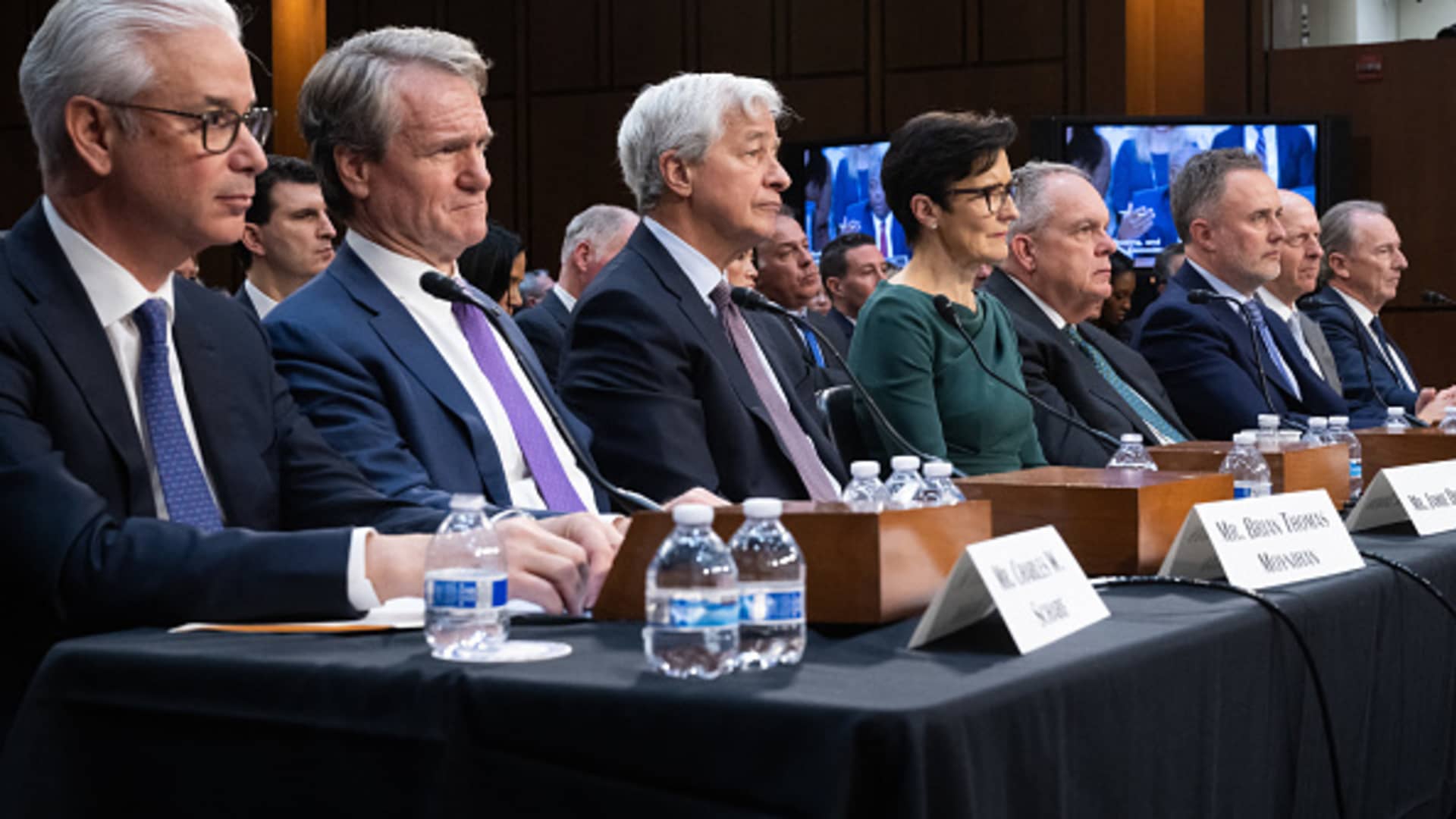
Trump’s Proposed Interest Rate Cap Sends Shockwaves Through Banking Industry
Bank executives were caught off guard over the weekend when President Donald Trump announced that American credit card companies would be subject to a 10% cap on the interest rate they can charge customers. This move has significant implications for the banking industry, with shares of major banks such as Citigroup, JPMorgan Chase, Wells Fargo, and Bank of America taking a hit in early trading on Monday.
The proposed cap, which would take effect on January 20, has sparked concerns among industry insiders that it could lead to unintended consequences for consumers and the economy as a whole. With the average credit card rate nationally standing at 19.7%, according to a weekly survey from Bankrate.com, a 10% cap would make it unprofitable for banks to offer credit cards to customers with less-than-ideal credit profiles. This could result in a significant reduction in credit availability, particularly for subprime borrowers.
Industry Reaction and Potential Consequences
Industry experts warn that the proposed cap could lead to a range of negative consequences, including reduced access to credit for millions of American families and small business owners. The trade groups representing the banking industry have issued a joint statement expressing their concerns, citing evidence that a 10% interest rate cap would be devastating for consumers who rely on credit cards. Insiders also predict that the industry would respond by scaling back rewards programs, reducing credit limits, and increasing fees to compensate for the lost revenue.
The potential impact on the economy could be significant, with airlines, retailers, and restaurants potentially raising prices to make up for lost card revenues. KBW analysts have noted that the drag on the economy from reduced spending could be more acute for these industries, which would have to find ways to offset the loss of revenue from credit card transactions. Furthermore, consumers may be forced to rely on other forms of unsecured debt, such as personal loans or payday lenders, which often carry even higher interest rates than credit cards.
Enforcement and Implementation
The exact mechanism by which Trump plans to enforce the interest rate cap is unclear, with some experts suggesting that it may be an attempt to create pressure on the industry to voluntarily reduce rates. The most straightforward approach, through legislation in Congress, is unlikely to be possible by the proposed January 20 start date. Other enforcement means, such as through banking regulators like the Consumer Financial Protection Bureau, are also possible but may face legal challenges.
As the industry waits for clarification on the proposed cap, card issuers face the risk that rates could be headed lower in some form of negotiated compromise with the government. With Americans holding a collective $1.23 trillion in credit card debt, according to data from the Federal Reserve Bank of New York, the potential impact of the proposed cap on the economy and consumers is significant. As one analyst noted, “Is 10% an opening bid?” – only time will tell how this situation will unfold.


Community Mentorship Programs Help Strengthen Local Workforce and Social Impact

Low-Code Platforms are Changing How Businesses Build Internal Technology

Microlearning in Employee Training: A Practical Approach to Workplace Skill Development

Decision-Making Frameworks Improve Strategic Leadership and Organizational Clarity

Career Ladder Programs Strengthen Workforce Development and Employee Retention

Workplace Recognition Programs Improve Organizational Culture and Employee Engagement

Why Mental Endurance is Essential for Workplace Resilience

What Informational Interviews are and Why they Matter

How Emotional Intelligence Can Help You Manage Stress and Build Resilience

Interview with Dr. Kristy K. Taylor, WORxK Global News Magazine Founder

Sarah Herrlinger Talks AirPods Pro Hearing Aid

NetWork Your Way to Success: Top Tips for Maximizing Your Professional Network

Unlocking Human Potential: Kim Groshek’s Journey to Transforming Leadership and Stress Resilience

The Power of Belonging: Why Feeling Accepted Matters in the Workplace

Health-care stocks fall after Warren PBM bill, Brian Thompson shooting

Glenda Benevides: Creating Global Impact Through Music
-
 Resiliency7 months ago
How Emotional Intelligence Can Help You Manage Stress and Build Resilience
-
 Career Advice1 year ago
Interview with Dr. Kristy K. Taylor, WORxK Global News Magazine Founder
-
 Diversity and Inclusion (DEIA)1 year ago
Sarah Herrlinger Talks AirPods Pro Hearing Aid
-
 Career Advice1 year ago
NetWork Your Way to Success: Top Tips for Maximizing Your Professional Network
-
 Changemaker Interviews1 year ago
Unlocking Human Potential: Kim Groshek’s Journey to Transforming Leadership and Stress Resilience
-
 Diversity and Inclusion (DEIA)1 year ago
The Power of Belonging: Why Feeling Accepted Matters in the Workplace
-
 Global Trends and Politics1 year ago
Health-care stocks fall after Warren PBM bill, Brian Thompson shooting
-
 Changemaker Interviews12 months ago
Glenda Benevides: Creating Global Impact Through Music