
Global Trends and Politics
Trump deals with Lilly, Novo Nordisk could broaden obesity drug access

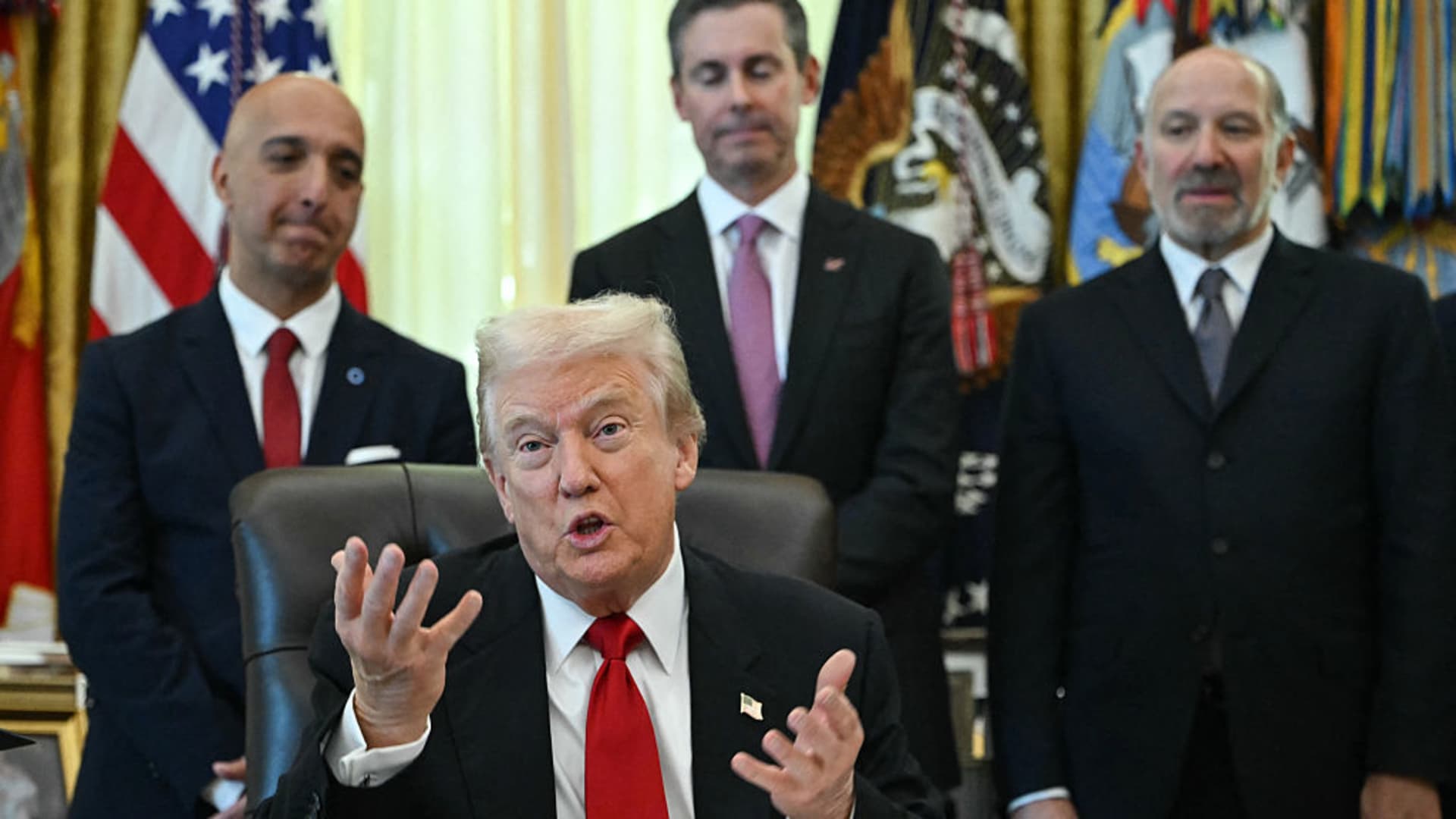
Breaking Down Barriers: US Government Strikes Landmark Deals for Obesity Drugs
In a significant move to expand access to life-changing obesity treatments, the US government has announced landmark agreements with pharmaceutical giants Eli Lilly and Novo Nordisk. These deals have the potential to revolutionize the way millions of Americans access costly obesity medications, particularly those with limited or no insurance coverage.
At the heart of these agreements is the decision to start covering GLP-1s, a class of drugs used to treat obesity, under Medicare for certain patients beginning in mid-2026. This shift is expected to open the door for millions of older adults to access these treatments, potentially prompting more employers and private insurers to follow suit. The move is seen as a crucial step towards addressing the growing obesity epidemic in the US, which affects over a third of the adult population.
Understanding the Impact on Medicare and Medicaid
Under the terms of the agreements, Medicare will cover GLP-1s for patients with a body mass index (BMI) of 27 or above with prediabetes or established cardiovascular disease, as well as those with a BMI of 30 or more with related health conditions. While these eligibility criteria may seem restrictive, experts believe they will still cover a significant number of people. For instance, JPMorgan analyst Chris Schott estimates that 80% of the obese population in Medicare could receive coverage for GLP-1s despite the limits.
Moreover, the agreements include provisions for lowering the prices that all state Medicaid programs will pay for GLP-1s. However, it is up to individual states to opt into this coverage, which could pose challenges given the already constrained budgets and administrative demands faced by these programs. Despite these potential hurdles, offering lower prices to Medicaid programs could lead to a significant increase in coverage, particularly for drugs like Zepbound, which currently has very limited uptake in this channel.
Direct-to-Consumer Offerings: A New Avenue for Access
To further increase accessibility, the agreements introduce direct-to-consumer offerings on the Trump administration’s website, TrumpRx.gov. This platform will provide patients with the option to purchase GLP-1s at discounted prices, ranging from $50 to $350 per month, depending on the dosage and insurance coverage. This initiative is particularly aimed at helping those who are underinsured, uninsured, or lack coverage for obesity medicines.
Both Eli Lilly and Novo Nordisk have already introduced lower-cost options for their drugs for people paying in cash and purchasing directly through their websites. The deals with the Trump administration will give these patients even bigger discounts, with the average monthly cost for injectable GLP-1s starting at $350 and dropping to $250 within the next two years. Additionally, starting doses of obesity pills from these companies, expected to hit the market next year, will be available for $149 per month on TrumpRx, Medicare, and Medicaid.
A New Era for Obesity Treatment
The implications of these agreements are far-reaching, marking a potential turning point in how obesity is treated in the US. By expanding access to effective treatments, the government and pharmaceutical companies are taking a significant step towards addressing a chronic and serious issue that affects millions of Americans. As Nick Fabrizio, an associate teaching professor in Cornell’s health policy program, noted, “I think it’ll start with the government, start with Medicare, and the insurers will quickly follow.” This shift could not only improve health outcomes but also reduce the economic burden of obesity, which is estimated to cost the US healthcare system billions of dollars annually.
While there are still challenges to overcome, particularly in terms of ensuring widespread adoption and addressing the complexities of state Medicaid programs, the future of obesity treatment looks more promising than ever. As the US continues to grapple with the obesity epidemic, initiatives like these landmark deals offer a beacon of hope for those seeking access to life-changing treatments.


Community Mentorship Programs Help Strengthen Local Workforce and Social Impact

Low-Code Platforms are Changing How Businesses Build Internal Technology

Microlearning in Employee Training: A Practical Approach to Workplace Skill Development

Decision-Making Frameworks Improve Strategic Leadership and Organizational Clarity

Career Ladder Programs Strengthen Workforce Development and Employee Retention

Workplace Recognition Programs Improve Organizational Culture and Employee Engagement

Why Mental Endurance is Essential for Workplace Resilience

What Informational Interviews are and Why they Matter

How Emotional Intelligence Can Help You Manage Stress and Build Resilience

Interview with Dr. Kristy K. Taylor, WORxK Global News Magazine Founder

Sarah Herrlinger Talks AirPods Pro Hearing Aid

NetWork Your Way to Success: Top Tips for Maximizing Your Professional Network

Unlocking Human Potential: Kim Groshek’s Journey to Transforming Leadership and Stress Resilience

The Power of Belonging: Why Feeling Accepted Matters in the Workplace

Health-care stocks fall after Warren PBM bill, Brian Thompson shooting

Glenda Benevides: Creating Global Impact Through Music
-
 Resiliency7 months ago
How Emotional Intelligence Can Help You Manage Stress and Build Resilience
-
 Career Advice1 year ago
Interview with Dr. Kristy K. Taylor, WORxK Global News Magazine Founder
-
 Diversity and Inclusion (DEIA)1 year ago
Sarah Herrlinger Talks AirPods Pro Hearing Aid
-
 Career Advice1 year ago
NetWork Your Way to Success: Top Tips for Maximizing Your Professional Network
-
 Changemaker Interviews1 year ago
Unlocking Human Potential: Kim Groshek’s Journey to Transforming Leadership and Stress Resilience
-
 Diversity and Inclusion (DEIA)1 year ago
The Power of Belonging: Why Feeling Accepted Matters in the Workplace
-
 Global Trends and Politics1 year ago
Health-care stocks fall after Warren PBM bill, Brian Thompson shooting
-
 Changemaker Interviews12 months ago
Glenda Benevides: Creating Global Impact Through Music