
Global Trends and Politics
Trump says furniture tariffs are coming later this year

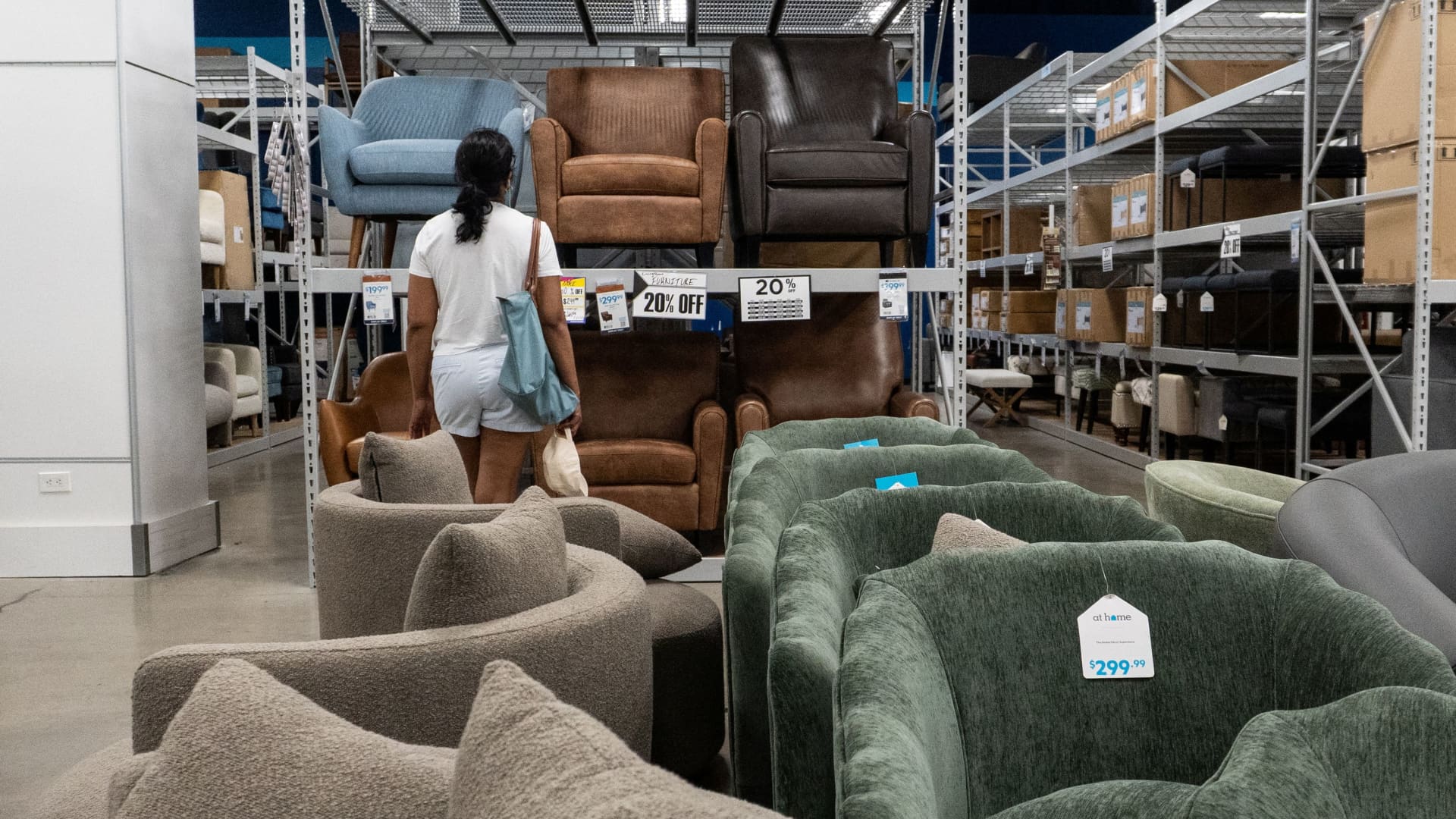
Trump Administration Launches Investigation into Imported Furniture
The Trump administration has initiated an investigation into imported furniture, as announced by President Donald Trump on Friday. This move sets the stage for potential new tariffs on a wide range of furniture products. According to Trump, the investigation will be completed within the next 50 days, after which furniture imported from other countries will be subject to tariffs at a rate that has yet to be determined.
The goal of this investigation, as stated by Trump, is to bring the furniture business back to states such as North Carolina, South Carolina, Michigan, and others across the United States. This move is likely to have significant implications for the furniture industry, particularly for companies that rely heavily on imported goods.
Impact on Furniture Companies
Following Trump’s announcement, shares of top furniture and home goods companies, including Wayfair, RH, and Williams-Sonoma, declined in after-hours trading. These companies import a significant portion of their furniture, and new tariffs could drive up their costs. However, not all furniture companies will be affected equally. La-Z-Boy, which manufactures most of its products in the United States, saw its shares rise in response to the news.
Trump has already imposed steep tariffs on various products, including cars, steel, and aluminum. He has also floated the idea of similar customs duties for imported copper, pharmaceuticals, and semiconductors. The potential for new tariffs on furniture adds to the uncertainty and challenges faced by the industry.
Challenges Facing the Furniture Industry
The US furniture industry is already navigating a range of challenges, including a decline in demand for certain products. Companies like Wayfair have seen a drop in sales of items such as new couches and dining sets, partly due to a slower housing market. As interest rates remain high, buyers are waiting for them to come down, resulting in fewer new homes being purchased and, consequently, less demand for new furniture.
Additionally, stubborn inflation has led consumers to be more discerning about how they spend their discretionary income. As a result, industries such as restaurants, clothing, travel, and home decor have all been affected. The potential introduction of new tariffs on furniture will only add to the complexity of the industry’s challenges.


Community Mentorship Programs Help Strengthen Local Workforce and Social Impact

Low-Code Platforms are Changing How Businesses Build Internal Technology

Microlearning in Employee Training: A Practical Approach to Workplace Skill Development

Decision-Making Frameworks Improve Strategic Leadership and Organizational Clarity

Career Ladder Programs Strengthen Workforce Development and Employee Retention

Workplace Recognition Programs Improve Organizational Culture and Employee Engagement

Why Mental Endurance is Essential for Workplace Resilience

What Informational Interviews are and Why they Matter

How Emotional Intelligence Can Help You Manage Stress and Build Resilience

Interview with Dr. Kristy K. Taylor, WORxK Global News Magazine Founder

Sarah Herrlinger Talks AirPods Pro Hearing Aid

NetWork Your Way to Success: Top Tips for Maximizing Your Professional Network

Unlocking Human Potential: Kim Groshek’s Journey to Transforming Leadership and Stress Resilience

The Power of Belonging: Why Feeling Accepted Matters in the Workplace

Health-care stocks fall after Warren PBM bill, Brian Thompson shooting

Glenda Benevides: Creating Global Impact Through Music
-
 Resiliency7 months ago
How Emotional Intelligence Can Help You Manage Stress and Build Resilience
-
 Career Advice1 year ago
Interview with Dr. Kristy K. Taylor, WORxK Global News Magazine Founder
-
 Diversity and Inclusion (DEIA)1 year ago
Sarah Herrlinger Talks AirPods Pro Hearing Aid
-
 Career Advice1 year ago
NetWork Your Way to Success: Top Tips for Maximizing Your Professional Network
-
 Changemaker Interviews1 year ago
Unlocking Human Potential: Kim Groshek’s Journey to Transforming Leadership and Stress Resilience
-
 Diversity and Inclusion (DEIA)1 year ago
The Power of Belonging: Why Feeling Accepted Matters in the Workplace
-
 Global Trends and Politics1 year ago
Health-care stocks fall after Warren PBM bill, Brian Thompson shooting
-
 Changemaker Interviews12 months ago
Glenda Benevides: Creating Global Impact Through Music