
Global Trends and Politics
Trump tariffs could raise drug costs, worsen shortages

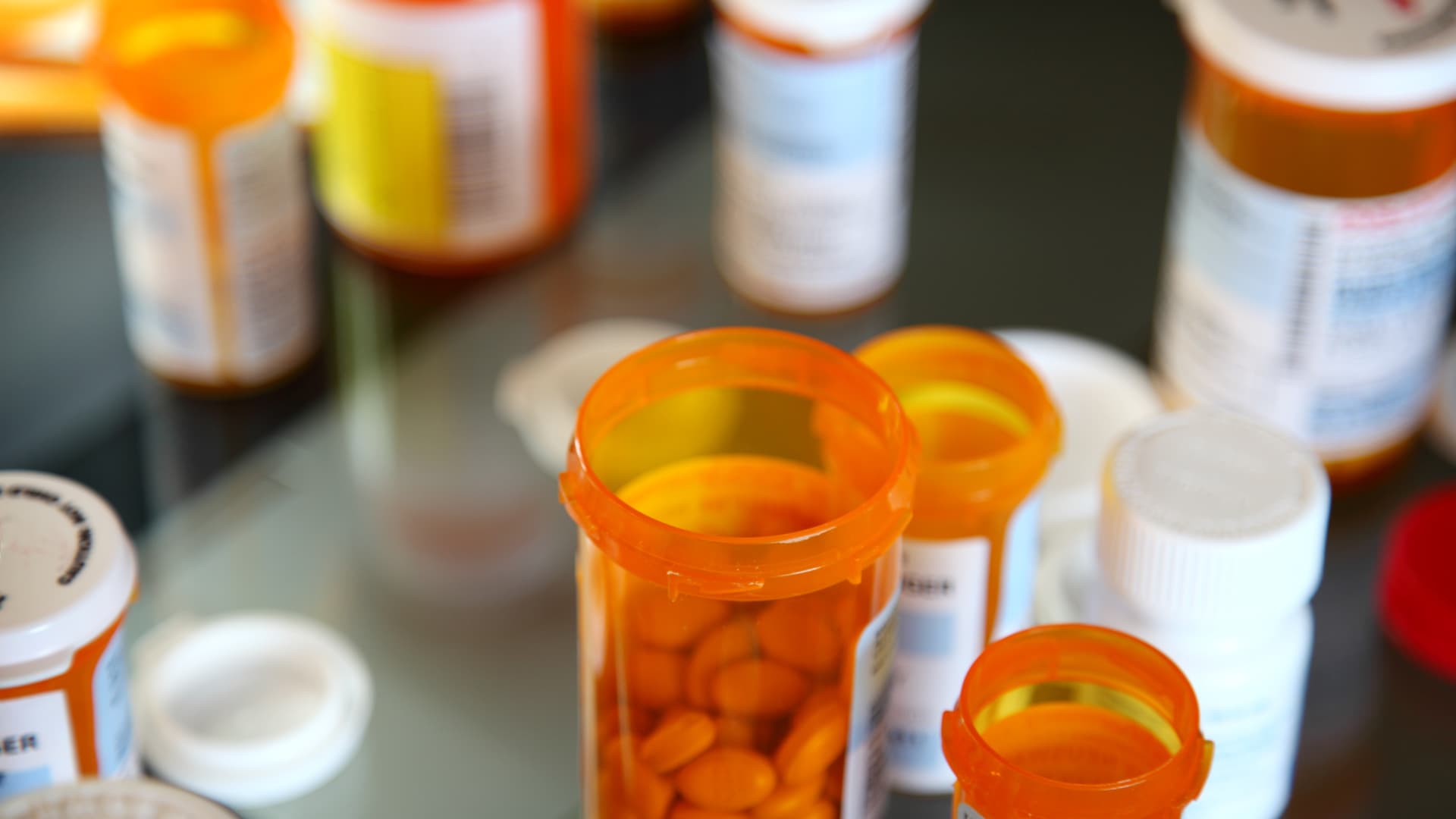
President Trump’s Tariffs Could Worsen US Drug Shortages, Raise Healthcare Costs
President Donald Trump’s steep tariffs on Canada, Mexico, and China could worsen existing drug shortages in the US, raise healthcare costs for patients, and threaten cash-strapped generic drugmakers, some drug trade groups warn.
Impact on Generic Drugs
The US relies heavily on other countries for pharmaceutical products, especially for generic drugs, which make up 90% of Americans’ prescriptions. Those medications are often manufactured overseas at lower costs. The tariffs could increase already problematic drug shortages by forcing generic manufacturers out of the market due to low profit margins.
Warnings from Drug Trade Groups
John Murphy, CEO of the Association for Accessible Medicines, which represents generic pharmaceutical companies, urged the Trump administration to exempt generic products from tariffs. He stated that generic manufacturers simply cannot absorb new costs and that the overall value of all generic sales in the US has decreased by $6.4 billion in five years despite growth in volume and new generic drug launches.
Healthcare Distribution Alliance’s Concerns
The Healthcare Distribution Alliance, which represents 40 drug distributors, has also called for the Trump administration to reconsider including pharmaceutical products in tariffs. The group warned that tariffs will strain the pharmaceutical supply chain and could adversely affect American patients, whether that is through increased medical product costs or manufacturers leaving the market.
Estimated Impact
An estimate from The Budget Lab at Yale University said long-term prices of pharmaceutical products in the US will be 1.1% higher after shifts in the supply chain.
Impact on Medical Devices
The US also relies on overseas manufacturing for medical devices, with many key components and finished products being sourced from countries such as China, Mexico, and India. Tariffs on these countries could increase the costs of medical products and lead to shortages of critical medical technologies, higher prices for patients and payers, and less investment in research and development.
Conclusion
The tariffs imposed by President Trump could have far-reaching consequences for the pharmaceutical and medical device industries in the US. The increased costs and potential shortages of crucial medicines and medical technologies could lead to higher healthcare costs for patients and potentially worsen existing drug shortages.
Frequently Asked Questions
Q: What is the impact of tariffs on generic drugs?
A: The tariffs could increase already problematic drug shortages by forcing generic manufacturers out of the market due to low profit margins.
Q: How do tariffs affect the pharmaceutical supply chain?
A: Tariffs will strain the pharmaceutical supply chain and could adversely affect American patients, whether that is through increased medical product costs or manufacturers leaving the market.
Q: What is the estimated impact of tariffs on pharmaceutical prices?
A: Long-term prices of pharmaceutical products in the US will be 1.1% higher after shifts in the supply chain.
Q: How do tariffs affect medical devices?
A: Tariffs could increase the costs of medical products and lead to shortages of critical medical technologies, higher prices for patients and payers, and less investment in research and development.


Community Mentorship Programs Help Strengthen Local Workforce and Social Impact

Low-Code Platforms are Changing How Businesses Build Internal Technology

Microlearning in Employee Training: A Practical Approach to Workplace Skill Development

Decision-Making Frameworks Improve Strategic Leadership and Organizational Clarity

Career Ladder Programs Strengthen Workforce Development and Employee Retention

Workplace Recognition Programs Improve Organizational Culture and Employee Engagement

Why Mental Endurance is Essential for Workplace Resilience

What Informational Interviews are and Why they Matter

How Emotional Intelligence Can Help You Manage Stress and Build Resilience

Interview with Dr. Kristy K. Taylor, WORxK Global News Magazine Founder

Sarah Herrlinger Talks AirPods Pro Hearing Aid

NetWork Your Way to Success: Top Tips for Maximizing Your Professional Network

Unlocking Human Potential: Kim Groshek’s Journey to Transforming Leadership and Stress Resilience

The Power of Belonging: Why Feeling Accepted Matters in the Workplace

Health-care stocks fall after Warren PBM bill, Brian Thompson shooting

Glenda Benevides: Creating Global Impact Through Music
-
 Resiliency7 months ago
How Emotional Intelligence Can Help You Manage Stress and Build Resilience
-
 Career Advice1 year ago
Interview with Dr. Kristy K. Taylor, WORxK Global News Magazine Founder
-
 Diversity and Inclusion (DEIA)1 year ago
Sarah Herrlinger Talks AirPods Pro Hearing Aid
-
 Career Advice1 year ago
NetWork Your Way to Success: Top Tips for Maximizing Your Professional Network
-
 Changemaker Interviews1 year ago
Unlocking Human Potential: Kim Groshek’s Journey to Transforming Leadership and Stress Resilience
-
 Diversity and Inclusion (DEIA)1 year ago
The Power of Belonging: Why Feeling Accepted Matters in the Workplace
-
 Global Trends and Politics1 year ago
Health-care stocks fall after Warren PBM bill, Brian Thompson shooting
-
 Changemaker Interviews12 months ago
Glenda Benevides: Creating Global Impact Through Music