
Global Trends and Politics
Trump threatening broadcast station licenses — explained

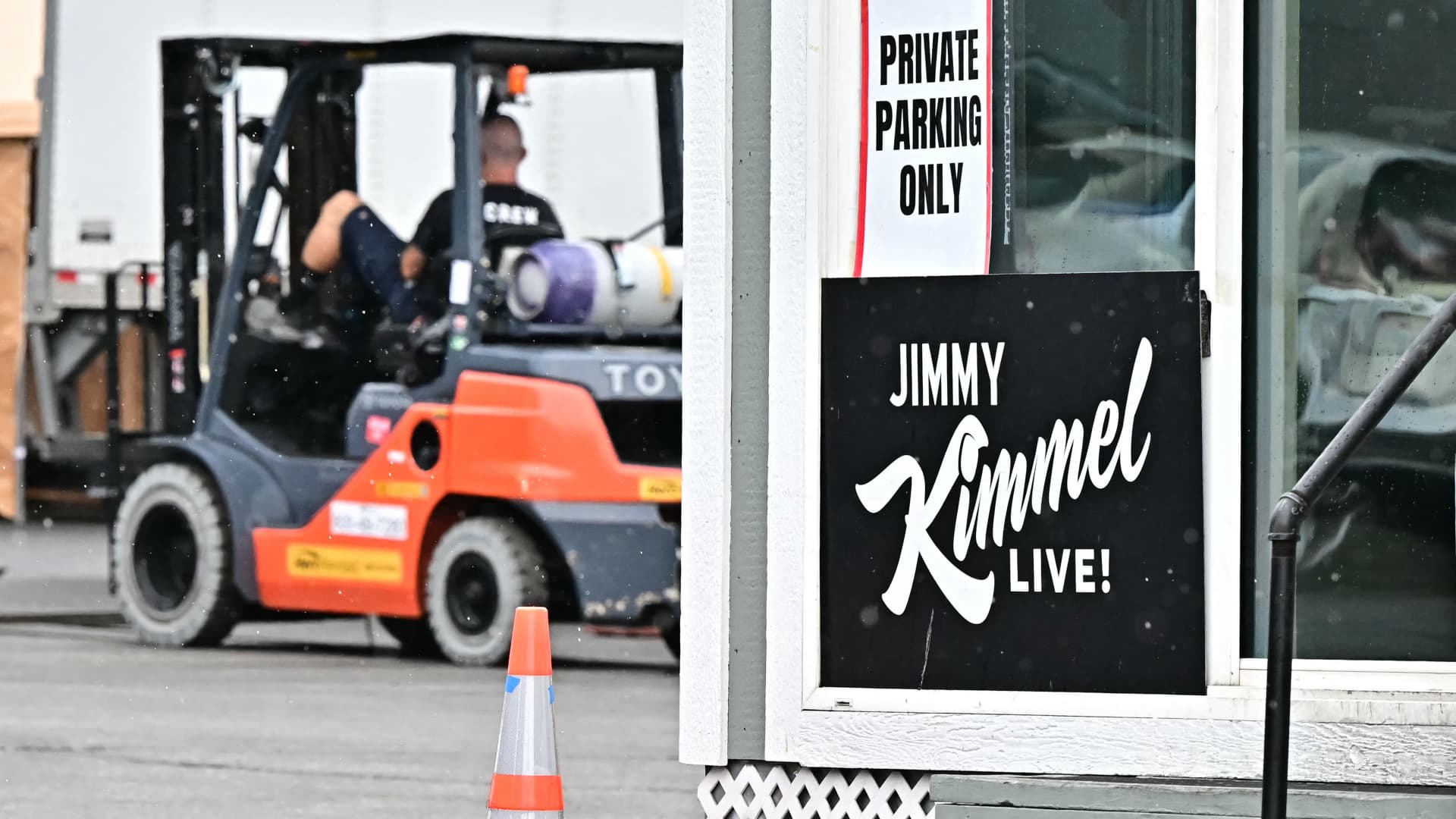
The recent decision by Disney to pull “Jimmy Kimmel Live!” from its broadcast network ABC has shed light on the federal government’s control over a significant part of the media business. This move comes after President Donald Trump suggested that his administration should revoke the licenses of broadcast TV stations that he claims are “against” him. Federal Communications Commission (FCC) Chair Brendan Carr has also made similar threats, highlighting the government’s power to regulate the industry.
Understanding Broadcast Licenses
To grasp the situation, it’s essential to understand what a broadcast license is. Networks like Disney’s ABC, Paramount Skydance’s CBS, Comcast Corp.’s NBC, and Fox Corp.’s Fox require licenses from the federal government to broadcast their content over the air. These licenses allow them to provide free, over-the-air service to anyone with an antenna on their TV. In contrast, pay-TV networks like CNN, MTV, or FX are considered “over-the-top” and are available for subscription fees, often bundled together and distributed by companies like Comcast or DirecTV.
Broadcasters like ABC are known for their programming, which includes local news, live sports, prime-time sitcoms and dramas, as well as late-night shows like “Jimmy Kimmel Live!”. Although the way consumers watch these programs has changed significantly, with many now viewing them through pay-TV bundles or streaming platforms, the underlying model remains the same. Companies that own local broadcast TV stations, such as Nexstar Media Group and Sinclair, license spectrum from the government, with the FCC overseeing the process.
Regulating Broadcast Licenses
The FCC has the right to regulate broadcasting and requires each network to operate in the “public interest, convenience, and necessity.” This means that networks must air programming that is responsive to the needs and problems of their local community. The definition of serving the “public interest” is what FCC Chair Carr has focused on in conversations about revoking licenses. Carr has stated that comments by Jimmy Kimmel, linking a suspect to Trump’s MAGA movement, were not a joke and instead appeared to directly mislead the American public.
President Trump has also noted the government’s right to take away licenses, pointing to what he claims is bias against him as president. Trump has suggested that networks like ABC and NBC, which he believes are “against” him, should have their licenses revoked. However, the process of revoking a license is not simple and would require an investigation and procedure, likely garnering legal challenges.
Consequences of Revoking Licenses
If the federal government deems a broadcast TV network is not acting in the public interest, it can revoke the license from the station’s owner, effectively taking the local station off the air in its market. The local networks can preempt the programming, airing something other than what the broader network is offering, to stay in compliance with the FCC. However, it’s unclear where the line would fall in terms of what constitutes a violation of the FCC’s guidelines.
According to Roy Gutterman, a professor and expert on communications law and the First Amendment, the matter would be subject to an investigation and procedure, and would likely face legal challenges. Gutterman notes that responsible use of the airwaves doesn’t mean having the political language the government wants, and that responsible use is not a political issue.
Pressure Mounting
There’s another factor at play: the government’s role in local TV consolidation. Nexstar, which owns about 30 ABC-affiliated networks across the US, has announced that its stations would not air “Jimmy Kimmel Live!” due to the host’s statements. Nexstar is currently seeking government approval for a $6.2 billion deal to merge with fellow broadcast TV station owner Tegna, which would upend longstanding regulations for broadcast station owners.
The FCC’s Carr has publicly stated that he would support getting rid of broadcast station ownership rules and caps, paving the way for such deals. This could help salvage a business model that’s being disrupted by the rise of streaming. With the pay-TV ecosystem bleeding consumers, broadcast TV networks and local affiliates have also felt the effects, and the lucrative retransmission fees they receive from distributors like Charter are a significant source of profit.


Community Mentorship Programs Help Strengthen Local Workforce and Social Impact

Low-Code Platforms are Changing How Businesses Build Internal Technology

Microlearning in Employee Training: A Practical Approach to Workplace Skill Development

Decision-Making Frameworks Improve Strategic Leadership and Organizational Clarity

Career Ladder Programs Strengthen Workforce Development and Employee Retention

Workplace Recognition Programs Improve Organizational Culture and Employee Engagement

Why Mental Endurance is Essential for Workplace Resilience

What Informational Interviews are and Why they Matter

How Emotional Intelligence Can Help You Manage Stress and Build Resilience

Interview with Dr. Kristy K. Taylor, WORxK Global News Magazine Founder

Sarah Herrlinger Talks AirPods Pro Hearing Aid

NetWork Your Way to Success: Top Tips for Maximizing Your Professional Network

Unlocking Human Potential: Kim Groshek’s Journey to Transforming Leadership and Stress Resilience

The Power of Belonging: Why Feeling Accepted Matters in the Workplace

Health-care stocks fall after Warren PBM bill, Brian Thompson shooting

Glenda Benevides: Creating Global Impact Through Music
-
 Resiliency7 months ago
How Emotional Intelligence Can Help You Manage Stress and Build Resilience
-
 Career Advice1 year ago
Interview with Dr. Kristy K. Taylor, WORxK Global News Magazine Founder
-
 Diversity and Inclusion (DEIA)1 year ago
Sarah Herrlinger Talks AirPods Pro Hearing Aid
-
 Career Advice1 year ago
NetWork Your Way to Success: Top Tips for Maximizing Your Professional Network
-
 Changemaker Interviews1 year ago
Unlocking Human Potential: Kim Groshek’s Journey to Transforming Leadership and Stress Resilience
-
 Diversity and Inclusion (DEIA)1 year ago
The Power of Belonging: Why Feeling Accepted Matters in the Workplace
-
 Global Trends and Politics1 year ago
Health-care stocks fall after Warren PBM bill, Brian Thompson shooting
-
 Changemaker Interviews12 months ago
Glenda Benevides: Creating Global Impact Through Music