
Global Trends and Politics
Trump to Negotiate Medicare Drug Prices

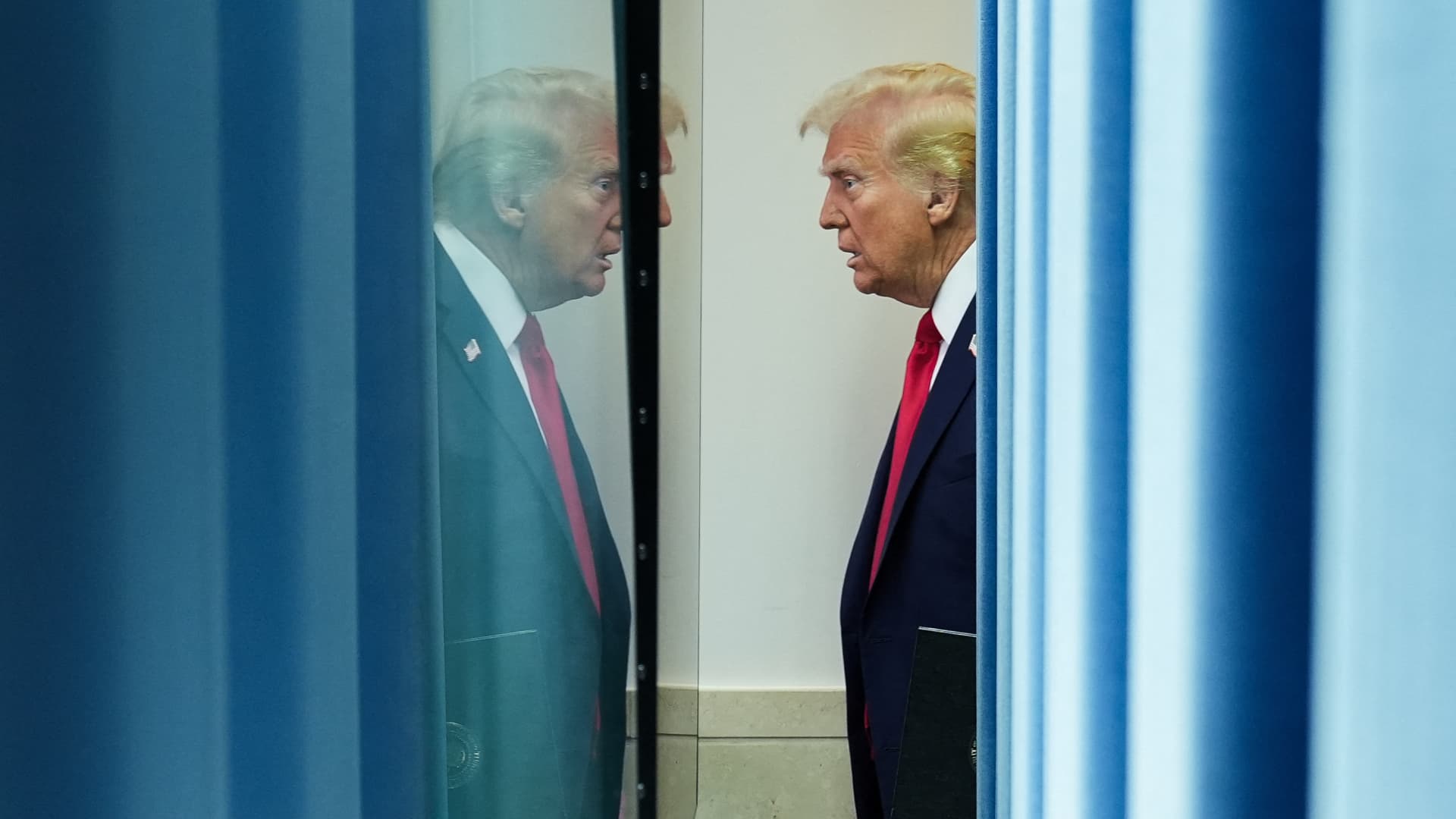
President Trump arrives in the Brady Press Briefing Room at the White House on Jan. 30, 2025 in Washington, DC.
President Donald Trump likely won’t do away with a landmark process that allows Medicare to negotiate drug prices with manufacturers, even as he moves to erase Joe Biden’s other historic policy accomplishments.
But Trump will likely make some changes to those price talks, and it may not require help from Congress.
"Trump is looking to nibble around the edges of the law," said Matthew Kupferberg, a partner in Frier Levitt’s life sciences group, adding the president is "not looking to completely abandon the drug negotiation process at this point."
It’s still unclear which way Trump will lean, however. While some lawmakers and health policy experts said Trump could weaken the negotiations in a way that helps the pharmaceutical industry, other experts said he could double down and try to save patients and the federal government even more money to outdo his predecessor.
The Path Trump Takes Could Have Huge Stakes for Medicare Beneficiaries
The path Trump takes could have huge stakes for the prices 68 million Medicare beneficiaries in the U.S. pay for their medications. It will also have big implications for companies like Novo Nordisk, Bristol Myers Squibb, Pfizer, and Merck, among others whose drugs were included in the first two rounds of talks.
Trump’s Approach to Price Talks Uncertain
The Trump administration has offered few specifics on its approach to the negotiations, apart from saying in January that it will aim for "greater transparency" in the ongoing second cycle of the process and hear any ideas for improving it from external stakeholders.
What Trump Could Do on His Own
Trump has so far only indicated the need for more transparency in Medicare drug price negotiations. Kupferberg said that could mean disclosing more information about the government’s rationale for selecting drugs or settling on prices.
During the first round of the talks, Medicare provided opportunities for public input from patients, caregivers, and consumer groups. But Kupferberg said the Trump administration could move to bring in other stakeholders beyond manufacturers and patients, like insurers or even middlemen called pharmacy benefit managers.
EHStock | iStock | Getty Images
The administration could also reinterpret the guidelines of the law, which could change what products get selected and how much prices fall, according to Amy Campbell, associate dean for law and health sciences at the University of Illinois Chicago School of Law.
Bigger Changes in Congress are a Challenge
Major changes to the price negotiations are much less likely to occur, as they would require help from Congress. For example, one of the pharmaceutical industry’s biggest issues with the process is what drugmakers calls the "pill penalty."
Conclusion
The outcome of Trump’s approach to Medicare drug price negotiations remains uncertain, but one thing is clear: the stakes are high for the prices Medicare beneficiaries pay for their medications and for companies whose drugs are included in the negotiations.
Frequently Asked Questions
Q: What is the Trump administration’s stance on Medicare drug price negotiations?
A: The Trump administration has not provided detailed information on its approach to Medicare drug price negotiations, but has indicated a desire for "greater transparency" in the process.
Q: Could Trump weaken the negotiations in a way that helps the pharmaceutical industry?
A: Some lawmakers and health policy experts have suggested that Trump could weaken the negotiations, but it is also possible that he could try to save patients and the federal government even more money.
Q: What changes could Trump make to the Medicare drug price negotiations without Congressional help?
A: Trump could make changes to how the government interprets the law’s selection criteria for drugs, among other potential changes.
Q: How likely is it that Trump will try to repeal the Inflation Reduction Act’s provision allowing Medicare to negotiate drug prices?
A: Repealing the provision would require Congressional help, and while there is growing interest in legislative changes to the negotiation program, it is unlikely to happen quickly.


Community Mentorship Programs Help Strengthen Local Workforce and Social Impact

Low-Code Platforms are Changing How Businesses Build Internal Technology

Microlearning in Employee Training: A Practical Approach to Workplace Skill Development

Decision-Making Frameworks Improve Strategic Leadership and Organizational Clarity

Career Ladder Programs Strengthen Workforce Development and Employee Retention

Workplace Recognition Programs Improve Organizational Culture and Employee Engagement

Why Mental Endurance is Essential for Workplace Resilience

What Informational Interviews are and Why they Matter

How Emotional Intelligence Can Help You Manage Stress and Build Resilience

Interview with Dr. Kristy K. Taylor, WORxK Global News Magazine Founder

Sarah Herrlinger Talks AirPods Pro Hearing Aid

NetWork Your Way to Success: Top Tips for Maximizing Your Professional Network

Unlocking Human Potential: Kim Groshek’s Journey to Transforming Leadership and Stress Resilience

The Power of Belonging: Why Feeling Accepted Matters in the Workplace

Health-care stocks fall after Warren PBM bill, Brian Thompson shooting

Glenda Benevides: Creating Global Impact Through Music
-
 Resiliency7 months ago
How Emotional Intelligence Can Help You Manage Stress and Build Resilience
-
 Career Advice1 year ago
Interview with Dr. Kristy K. Taylor, WORxK Global News Magazine Founder
-
 Diversity and Inclusion (DEIA)1 year ago
Sarah Herrlinger Talks AirPods Pro Hearing Aid
-
 Career Advice1 year ago
NetWork Your Way to Success: Top Tips for Maximizing Your Professional Network
-
 Changemaker Interviews1 year ago
Unlocking Human Potential: Kim Groshek’s Journey to Transforming Leadership and Stress Resilience
-
 Diversity and Inclusion (DEIA)1 year ago
The Power of Belonging: Why Feeling Accepted Matters in the Workplace
-
 Global Trends and Politics1 year ago
Health-care stocks fall after Warren PBM bill, Brian Thompson shooting
-
 Changemaker Interviews12 months ago
Glenda Benevides: Creating Global Impact Through Music