
Innovation and Technology
Trump’s Attack On Cybersecurity Expert Chris Krebs

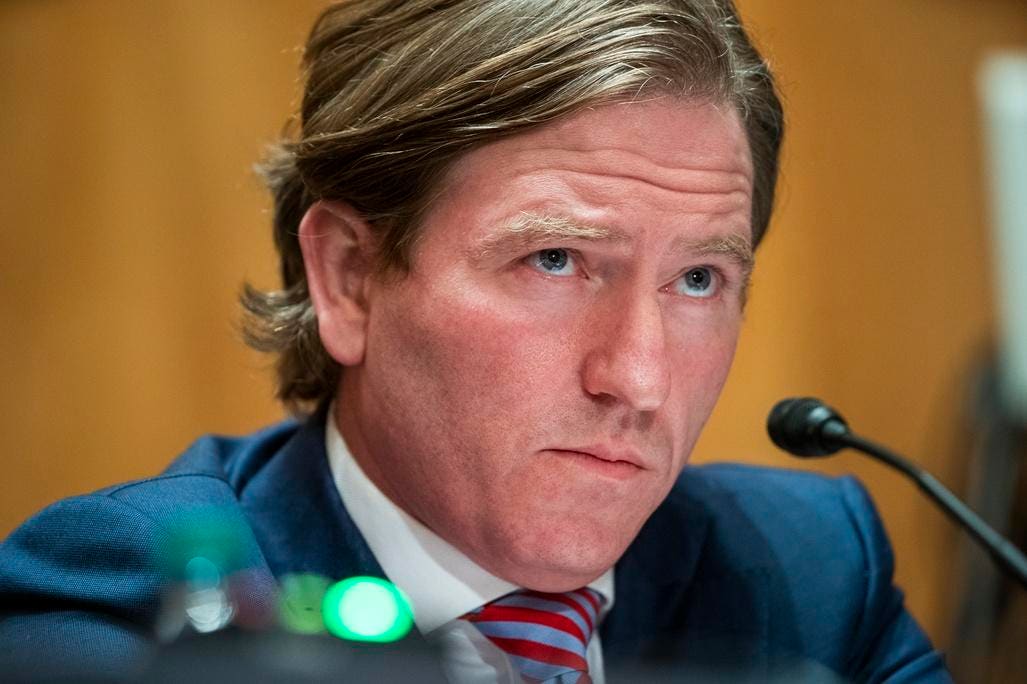
Introduction to Chris Krebs and the 2020 Election
In the world of cybersecurity, where truth is paramount and trust is everything, silence can be louder than an alarm. Chris Krebs, former Director of the Cybersecurity and Infrastructure Security Agency (CISA), became a symbol of truth in cybersecurity after affirming the integrity of the 2020 election—and paying the price for it.
What Happened in 2020?
Krebs wasn’t acting as a partisan. He was Trump’s own appointee to lead CISA—the agency charged with protecting the nation’s critical infrastructure, including elections. In the run-up to the 2020 presidential election, Krebs and his team worked tirelessly with state and local election officials to safeguard systems against foreign interference and domestic cyber threats. When the votes were counted and no credible evidence of widespread fraud emerged—despite a tidal wave of disinformation—CISA issued a joint statement declaring the 2020 election “the most secure in American history.” Over 60 lawsuits attempting to challenge the results were dismissed across the country—primarily due to a complete lack of evidence to support the claims. Many of those decisions came from Republican-appointed judges. The facts were clear.
The Aftermath and Executive Order
For doing his job—and doing it well—Krebs was fired via tweet. And now, years later, he has been further targeted by an Executive Order that effectively seeks to blacklist him, his employer, and his professional associates. The message is unmistakable: disloyalty to the narrative will be punished. President Trump issued an executive order earlier this month accusing Chris Krebs—his former appointee and ex-director of the Cybersecurity and Infrastructure Security Agency—of abusing his authority during the 2020 election. The order directs the Department of Homeland Security and the Attorney General to investigate Krebs and discourage federal contracts with entities linked to him, specifically naming SentinelOne, the $5.6 billion cybersecurity firm where he served as chief intelligence and public policy officer.
Is the Executive Order Even Legal?
While opinions differ on the legality of the Executive Order, legal scholars warn that it sets a troubling precedent. At its core, it appears to punish a private citizen for protected speech, which violates the First Amendment. Krebs was fired from his role at CISA for publicly affirming that the 2020 election was secure—an assessment backed by dozens of court rulings and independent audits. Now, years later, he’s the subject of an order that calls for a federal investigation and labels him a “bad-faith actor” for doing his job.
The Cybersecurity Community’s Deafening Silence
While some leaders have spoken out, far too many in the cybersecurity community have remained silent—perhaps hoping to avoid attention, or unsure of how to respond. There are admittedly a few brave voices—like Katie Moussouris of Luta Security, cybersecurity journalist Brian Krebs (no relation to Chris Krebs), Richard Stiennon, chief research analyst with IT-Harvest, and a smattering of others. In general, however, the cybersecurity industry has largely stayed quiet. In fact, many sources refused to comment on the record for this story.
The Illusion of Safety Through Silence
We’ve seen this play out in other sectors. Columbia University has faced intense scrutiny and backlash not for what it said, but for what it failed to say—and the compromises it made to stay in the good graces of political power. Paul Weiss, once a symbol of legal prestige, has come under fire for pulling away from defending academic clients under political pressure. Contrast that with Harvard University, which has rejected demands from the Trump administration and publicly defended democratic norms. Or Perkins Coie, the law firm that continues to represent election officials and fight disinformation, even under threat.
Silence Equals Consent
It is standard in parliamentary procedure that silence gives consent. In other words, if nobody speaks up to object, the action or motion is considered approved. That same general philosophy applies to the world at large. History has shown that when institutions remain silent as others are targeted, it rarely stops with the first. Silence signals permission, not neutrality.
The Stakes Are Bigger Than One Person
This is not about left or right. It’s not about politics. It’s about whether we allow power to dictate truth, or whether we stand up to defend it—even when it’s hard. Especially when it’s hard. The cybersecurity industry has always portrayed itself as the vanguard—defenders of infrastructure, truth, and resilience. But right now, it’s at risk of becoming just another silent institution, hoping the monster it won’t name doesn’t notice it.
A Call to Speak
The industry has a choice to make. Speaking out now may feel risky, but staying silent could cost far more. This is a moment to lead—not just for one person, but for the principles that define the work cybersecurity professionals do. Too many in the industry have stayed quiet—now is the time to speak up.
Conclusion
The case of Chris Krebs and the subsequent executive order targeting him and his professional associates raises serious concerns about the state of truth and democracy in the cybersecurity industry. The industry’s silence in the face of these actions is deafening and risks normalizing retaliation against those who speak truth to power. It is time for the industry to reclaim its voice and stand up for the principles of truth, democracy, and freedom.
FAQs
- Q: What happened to Chris Krebs after he affirmed the integrity of the 2020 election?
A: Chris Krebs was fired via tweet by President Trump after affirming the integrity of the 2020 election. - Q: What is the Executive Order issued by President Trump, and what does it do?
A: The Executive Order accuses Chris Krebs of abusing his authority during the 2020 election and directs the Department of Homeland Security and the Attorney General to investigate him and discourage federal contracts with entities linked to him. - Q: Is the Executive Order legal?
A: The legality of the Executive Order is disputed, with some legal scholars warning that it sets a troubling precedent and violates the First Amendment. - Q: Why has the cybersecurity community remained largely silent on the issue?
A: The cybersecurity community has remained largely silent, perhaps hoping to avoid attention or unsure of how to respond. - Q: What are the stakes of the industry’s silence?
A: The industry’s silence risks normalizing retaliation against those who speak truth to power and undermines the principles of truth, democracy, and freedom that the industry is supposed to defend.




Community Mentorship Programs Help Strengthen Local Workforce and Social Impact

Low-Code Platforms are Changing How Businesses Build Internal Technology

Microlearning in Employee Training: A Practical Approach to Workplace Skill Development

Decision-Making Frameworks Improve Strategic Leadership and Organizational Clarity

Career Ladder Programs Strengthen Workforce Development and Employee Retention

Workplace Recognition Programs Improve Organizational Culture and Employee Engagement

Why Mental Endurance is Essential for Workplace Resilience

What Informational Interviews are and Why they Matter

How Emotional Intelligence Can Help You Manage Stress and Build Resilience

Interview with Dr. Kristy K. Taylor, WORxK Global News Magazine Founder

Sarah Herrlinger Talks AirPods Pro Hearing Aid

NetWork Your Way to Success: Top Tips for Maximizing Your Professional Network

Unlocking Human Potential: Kim Groshek’s Journey to Transforming Leadership and Stress Resilience

The Power of Belonging: Why Feeling Accepted Matters in the Workplace

Health-care stocks fall after Warren PBM bill, Brian Thompson shooting

Glenda Benevides: Creating Global Impact Through Music
-
 Resiliency7 months ago
How Emotional Intelligence Can Help You Manage Stress and Build Resilience
-
 Career Advice1 year ago
Interview with Dr. Kristy K. Taylor, WORxK Global News Magazine Founder
-
 Diversity and Inclusion (DEIA)1 year ago
Sarah Herrlinger Talks AirPods Pro Hearing Aid
-
 Career Advice1 year ago
NetWork Your Way to Success: Top Tips for Maximizing Your Professional Network
-
 Changemaker Interviews1 year ago
Unlocking Human Potential: Kim Groshek’s Journey to Transforming Leadership and Stress Resilience
-
 Diversity and Inclusion (DEIA)1 year ago
The Power of Belonging: Why Feeling Accepted Matters in the Workplace
-
 Global Trends and Politics1 year ago
Health-care stocks fall after Warren PBM bill, Brian Thompson shooting
-
 Changemaker Interviews12 months ago
Glenda Benevides: Creating Global Impact Through Music