
Global Trends and Politics
Vista Equity says it’s reinventing the way companies use AI

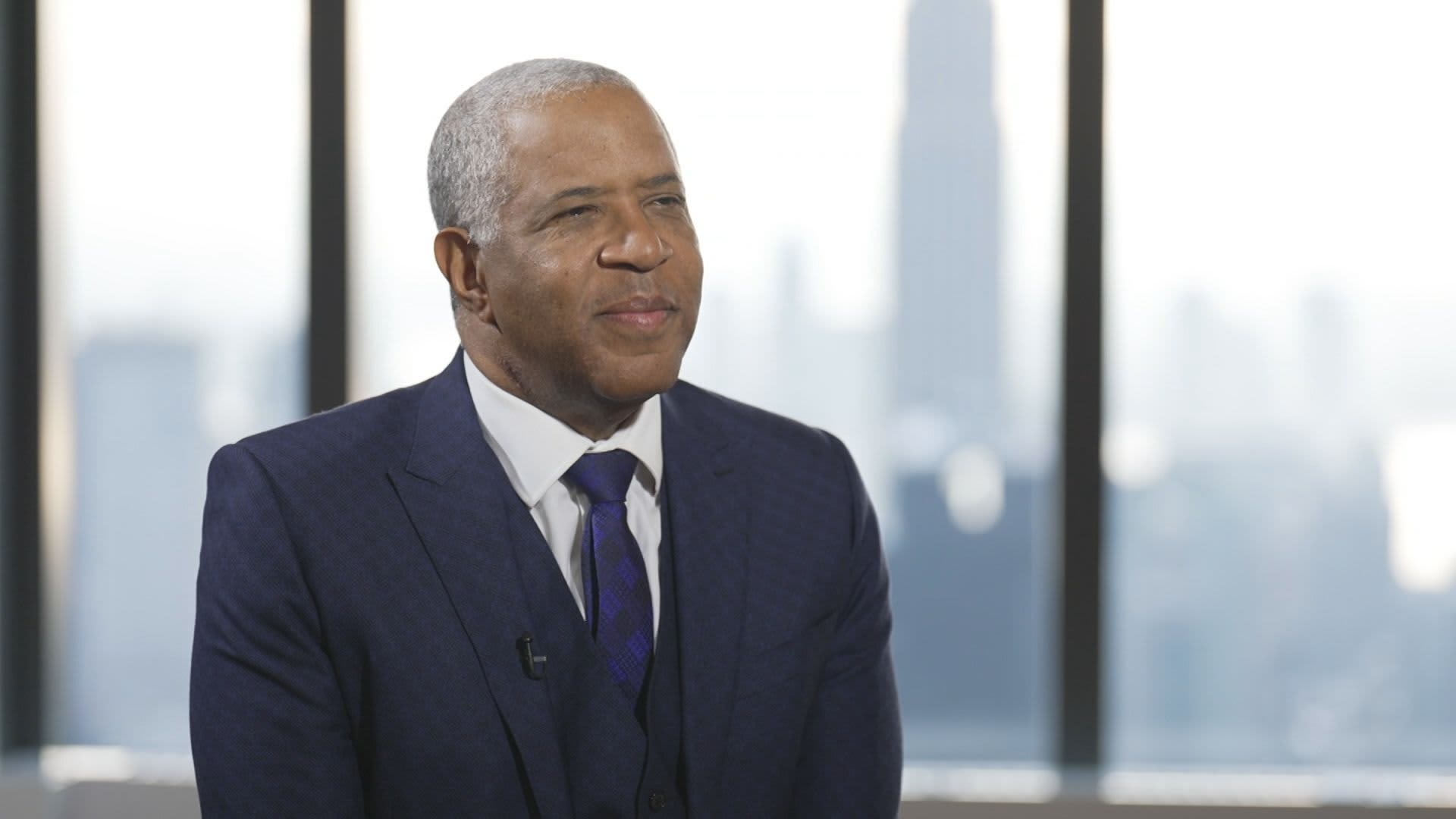
The world of artificial intelligence is rapidly evolving, with investments in AI infrastructure soaring to unprecedented heights. However, according to Robert Smith, CEO of Vista Equity Partners, the next phase of AI growth will come from private software companies that are leveraging AI to create massive gains in productivity. Smith’s perspective is particularly noteworthy, given his company’s significant investments in the AI sector.
Vista Equity Partners has been at the forefront of the AI revolution, with a focus on private software companies that are utilizing “agentic AI” to perform specific tasks. This approach is distinct from the more publicized investments in AI infrastructure, which have been dominated by companies like Nvidia, Meta, Microsoft, Alphabet, and OpenAI. While these companies have been making headlines with their soaring valuations, Smith believes that the real investment opportunities in AI lie in the application providers, which will ultimately reap the lion’s share of the economic benefits.
The Rise of Agentic AI
Agentic AI refers to the use of specific agents or algorithms to perform tasks with high levels of accuracy. This approach is being used by private software companies to create innovative solutions that can transform businesses. Vista Equity Partners has been aggressively investing in these companies, with a focus on deploying AI across its portfolio to drive growth and productivity. The company’s “agentic factory” is a key part of this strategy, providing the infrastructure and expertise needed to support the development of AI applications.
One example of a company that is leveraging agentic AI is SimplePractice, a Vista portfolio company that provides software solutions for mental health professionals. The company’s software uses agents to record sessions, transcribe notes, and draft reports, freeing up professionals to focus on more critical tasks. Another example is Reslinc, a company that helps businesses assess their potential tariff exposure and meet regulatory requirements. These companies demonstrate the potential of agentic AI to drive growth and productivity in a wide range of industries.
The Future of Work
The rise of agentic AI is likely to have significant implications for the future of work. While some jobs may be eliminated, others will be created or reinvented. Smith believes that AI will enable enterprise software to “eat services,” driving growth and productivity in a wide range of industries. The gains in productivity and profits from agentic AI are already apparent, with Vista’s portfolio companies seeing productivity gains of 30% to 50% in writing code. As AI continues to evolve, it is likely that we will see significant changes in the way businesses operate and the nature of work itself.
Smith’s perspective on the future of work is nuanced, recognizing that AI will have both positive and negative impacts on employment. While some jobs may be automated, others will be created or transformed. The key is to ensure that workers have the skills and training needed to thrive in an AI-driven economy. As Smith noted, “AI is not going to replace the job in some businesses, but the person using AI will replace your job.” This highlights the need for businesses and individuals to adapt to the changing landscape and leverage AI to drive growth and productivity.


Community Mentorship Programs Help Strengthen Local Workforce and Social Impact

Low-Code Platforms are Changing How Businesses Build Internal Technology

Microlearning in Employee Training: A Practical Approach to Workplace Skill Development

Decision-Making Frameworks Improve Strategic Leadership and Organizational Clarity

Career Ladder Programs Strengthen Workforce Development and Employee Retention

Workplace Recognition Programs Improve Organizational Culture and Employee Engagement

Why Mental Endurance is Essential for Workplace Resilience

What Informational Interviews are and Why they Matter

How Emotional Intelligence Can Help You Manage Stress and Build Resilience

Interview with Dr. Kristy K. Taylor, WORxK Global News Magazine Founder

Sarah Herrlinger Talks AirPods Pro Hearing Aid

NetWork Your Way to Success: Top Tips for Maximizing Your Professional Network

Unlocking Human Potential: Kim Groshek’s Journey to Transforming Leadership and Stress Resilience

The Power of Belonging: Why Feeling Accepted Matters in the Workplace

Health-care stocks fall after Warren PBM bill, Brian Thompson shooting

Glenda Benevides: Creating Global Impact Through Music
-
 Resiliency7 months ago
How Emotional Intelligence Can Help You Manage Stress and Build Resilience
-
 Career Advice1 year ago
Interview with Dr. Kristy K. Taylor, WORxK Global News Magazine Founder
-
 Diversity and Inclusion (DEIA)1 year ago
Sarah Herrlinger Talks AirPods Pro Hearing Aid
-
 Career Advice1 year ago
NetWork Your Way to Success: Top Tips for Maximizing Your Professional Network
-
 Changemaker Interviews1 year ago
Unlocking Human Potential: Kim Groshek’s Journey to Transforming Leadership and Stress Resilience
-
 Diversity and Inclusion (DEIA)1 year ago
The Power of Belonging: Why Feeling Accepted Matters in the Workplace
-
 Global Trends and Politics1 year ago
Health-care stocks fall after Warren PBM bill, Brian Thompson shooting
-
 Changemaker Interviews12 months ago
Glenda Benevides: Creating Global Impact Through Music