
Innovation and Technology
Walmart Unveils ‘Sparky’ AI Initiative

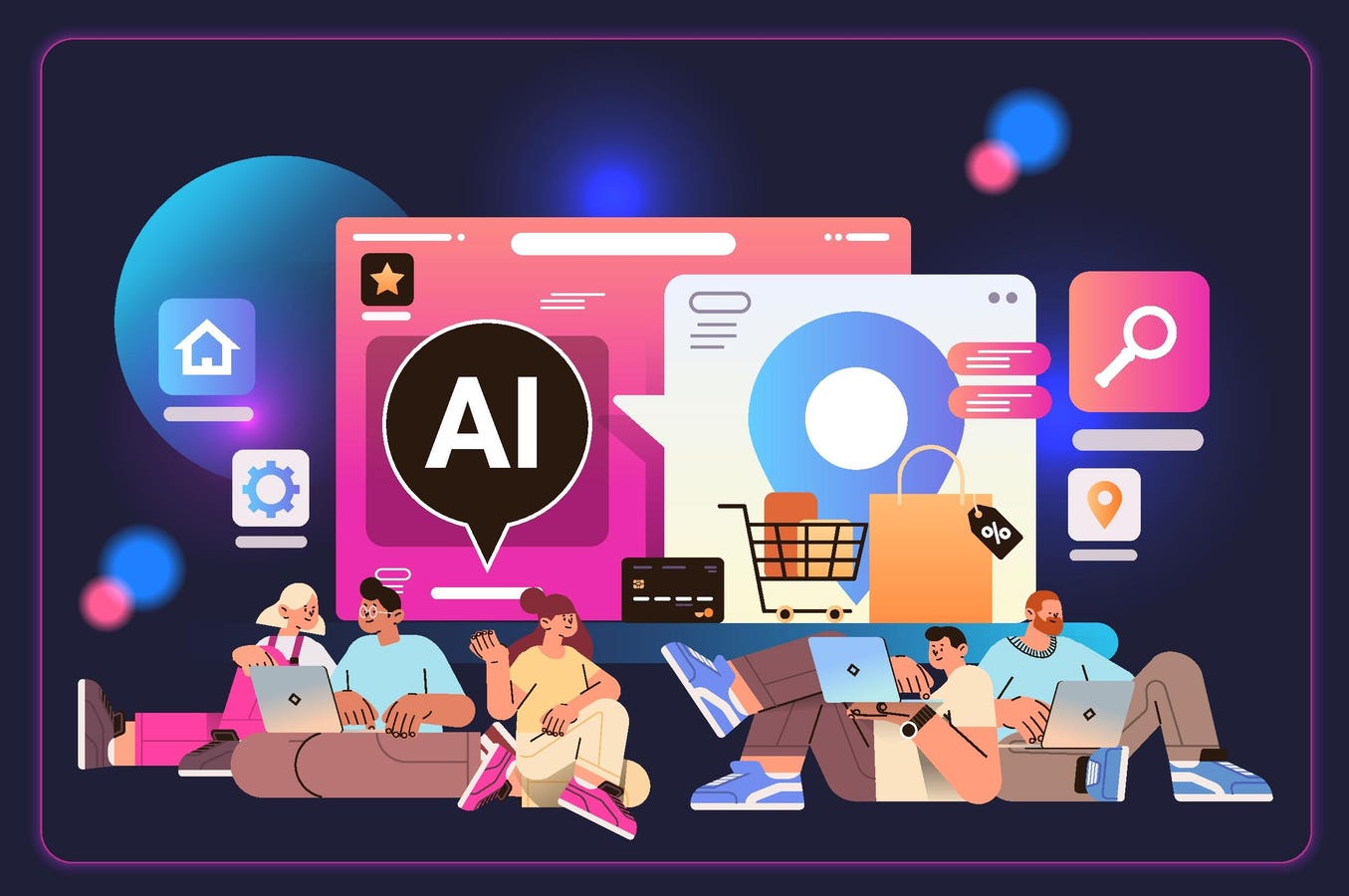
Walmart last week unveiled Sparky, a generative AI-powered shopping assistant embedded into the Walmart app. The new AI assistant, Sparky, isn’t just another chatbot bolted onto an app. It’s part of a much bigger plan to use autonomous agents to transform how people shop.
The Move Towards Automation
Beneath the surface lies something bigger: a move toward automation that could change not only the way we buy things, but also the structure of retail work itself. Increasingly intelligent apps like Sparky might become the standard way customers interact with Walmart. Then again, it might frustrate, confuse or quietly fade away.
From Shopping Assistant to Agent
Sparky can now summarize reviews, compare products, suggest items for occasions such as beach trips or birthdays and answer real-world questions such as what sports teams are playing. In the coming months, additional features will include reordering and scheduling services, visual understanding that can take image and video inputs and personalized “how-to” guides that link products with tasks such as fixing a faucet or preparing a meal.
The Capabilities of Sparky
Sparky isn’t designed to just answer product questions. It can act. If you’re planning a cookout, Sparky won’t just list grill options. It’ll check the weather, suggest menus and help schedule delivery. If you’re reordering household supplies, it remembers preferences, checks stock and confirms shipping options. The idea is to reduce friction and turn shopping from a search problem into a service experience.
What Walmart’s Data Shows About Changing Customer Preferences
Consumers may be more ready for the shift to agentic and generative AI-powered shopping than anyone expected, according to Walmart’s own research. In the company’s latest “Retail Rewired 2025” report, 27% of consumers said they now trust AI for shopping advice, more than the number who trust social media influencers (24%). That marks a clear break from traditional retail playbooks. Influence is shifting from people to systems.
The Adoption of AI in Retail
A core reason for the adoption of AI is that speed dominates. A majority (69%) of customers say quick solutions are the top reason they’d use AI in retail. AI’s rapid emergence at the core of e-commerce transactions from LLM chats to embedded applications is clear. Some of Walmart’s internal research results are genuinely surprising. Nearly half of shoppers (47%) would let AI reorder household staples, but just 8% would trust an AI to do their full shopping without oversight. And 46% say they’re unlikely to ever fully hand over control. Likewise, data transparency matters. Over a quarter of shoppers want full control over how their data is used.
Why Now? Retail is Making a Leap
Competitors like Amazon, IKEA and Lowe’s are also racing to launch AI assistants. But Walmart is going further. It’s building a full agent framework, not just customer-facing bots. Sparky’s promise goes beyond convenience. Where recommendation engines once matched products to past clicks, Sparky looks to understand intent in context. If you say, “I need help packing for a ski trip,” Sparky should infer altitude, weather, travel dates, previous purchases and even airline baggage limits to propose a bundle, jacket, gloves, boots and all.
The Future of Agentic AI in Retail
This leap requires multimodal AI capabilities including text, image, audio and video understanding. Imagine snapping a photo of a broken cabinet hinge and getting the right part, DIY video and same-day delivery. That’s the Sparky roadmap. Walmart is also developing its own AI models, rather than relying solely on third-party APIs like OpenAI or Google Gemini. According to CTO Hari Vasudev, internal models ensure accuracy, alignment with retail-specific data and stricter control over hallucination risks.
Why Agentic AI Could Become the New Retail OS
The retail industry is saturated with automation at the warehouse and logistics layer, but AI agents at the consumer-facing layer are still new territory. Sparky might be the first mainstream proof of concept. But the real story is the architecture: a system of purpose-built, task-specific agents that talk to each other across user journeys, all tuned for high-volume retail complexity. That’s a blueprint other enterprises will want to study, and possibly copy.
Challenges and Risks
With greater autonomy comes greater risk. Will Sparky recommend the wrong allergy product? Will it misread an image and send the wrong replacement part? Walmart is trying to stay ahead with built-in guardrails: human-in-the-loop confirmations, user approval on sensitive actions and transparency around how data is used. But the challenge will scale. Sparky’s real-world performance, not its launch sizzle, will determine if customers trust it to become a permanent fixture in their shopping lives.
Conclusion
Walmart’s AI push is part of a larger shift happening across the company. It recently partnered with Wing to launch drone delivery in the Dallas-Fort Worth area, aiming to serve up to 75% of local customers in under 30 minutes. Internally, it introduced Wally, a tool that helps merchants manage product listings and run promotions using plain language, no technical training required. At the same time, Walmart has recently laid off 1,500 tech and corporate employees, a sign that automation is already reshaping how teams are structured. These changes aren’t isolated. They reflect a broader effort to rebuild Walmart’s day-to-day operations around AI-driven systems. Walmart’s Sparky is the company’s most aggressive bet yet on autonomous digital agents. The trust delta between AI and influencers may seem small now, but it will only widen.
FAQs
Q: What is Sparky and how does it work?
A: Sparky is a generative AI-powered shopping assistant that can summarize reviews, compare products, suggest items, and answer real-world questions. It can also act on behalf of the user, such as checking the weather and suggesting menus for a cookout.
Q: What are the benefits of using AI in retail?
A: The benefits of using AI in retail include quick solutions, personalized recommendations, and reduced friction in the shopping experience.
Q: What are the risks associated with using AI in retail?
A: The risks associated with using AI in retail include recommending the wrong products, misreading images, and sending the wrong replacement parts.
Q: How is Walmart addressing the risks associated with using AI in retail?
A: Walmart is addressing the risks associated with using AI in retail by building in guardrails such as human-in-the-loop confirmations, user approval on sensitive actions, and transparency around how data is used.
Q: What is the future of agentic AI in retail?
A: The future of agentic AI in retail is expected to involve the development of more advanced AI models that can understand intent in context and provide personalized recommendations to users.




Community Mentorship Programs Help Strengthen Local Workforce and Social Impact

Low-Code Platforms are Changing How Businesses Build Internal Technology

Microlearning in Employee Training: A Practical Approach to Workplace Skill Development

Decision-Making Frameworks Improve Strategic Leadership and Organizational Clarity

Career Ladder Programs Strengthen Workforce Development and Employee Retention

Workplace Recognition Programs Improve Organizational Culture and Employee Engagement

Why Mental Endurance is Essential for Workplace Resilience

What Informational Interviews are and Why they Matter

How Emotional Intelligence Can Help You Manage Stress and Build Resilience

Interview with Dr. Kristy K. Taylor, WORxK Global News Magazine Founder

Sarah Herrlinger Talks AirPods Pro Hearing Aid

NetWork Your Way to Success: Top Tips for Maximizing Your Professional Network

Unlocking Human Potential: Kim Groshek’s Journey to Transforming Leadership and Stress Resilience

The Power of Belonging: Why Feeling Accepted Matters in the Workplace

Health-care stocks fall after Warren PBM bill, Brian Thompson shooting

Glenda Benevides: Creating Global Impact Through Music
-
 Resiliency7 months ago
How Emotional Intelligence Can Help You Manage Stress and Build Resilience
-
 Career Advice1 year ago
Interview with Dr. Kristy K. Taylor, WORxK Global News Magazine Founder
-
 Diversity and Inclusion (DEIA)1 year ago
Sarah Herrlinger Talks AirPods Pro Hearing Aid
-
 Career Advice1 year ago
NetWork Your Way to Success: Top Tips for Maximizing Your Professional Network
-
 Changemaker Interviews1 year ago
Unlocking Human Potential: Kim Groshek’s Journey to Transforming Leadership and Stress Resilience
-
 Diversity and Inclusion (DEIA)1 year ago
The Power of Belonging: Why Feeling Accepted Matters in the Workplace
-
 Global Trends and Politics1 year ago
Health-care stocks fall after Warren PBM bill, Brian Thompson shooting
-
 Changemaker Interviews12 months ago
Glenda Benevides: Creating Global Impact Through Music