
Global Trends and Politics
Warehouse real estate is rebalancing. Here’s what to watch for

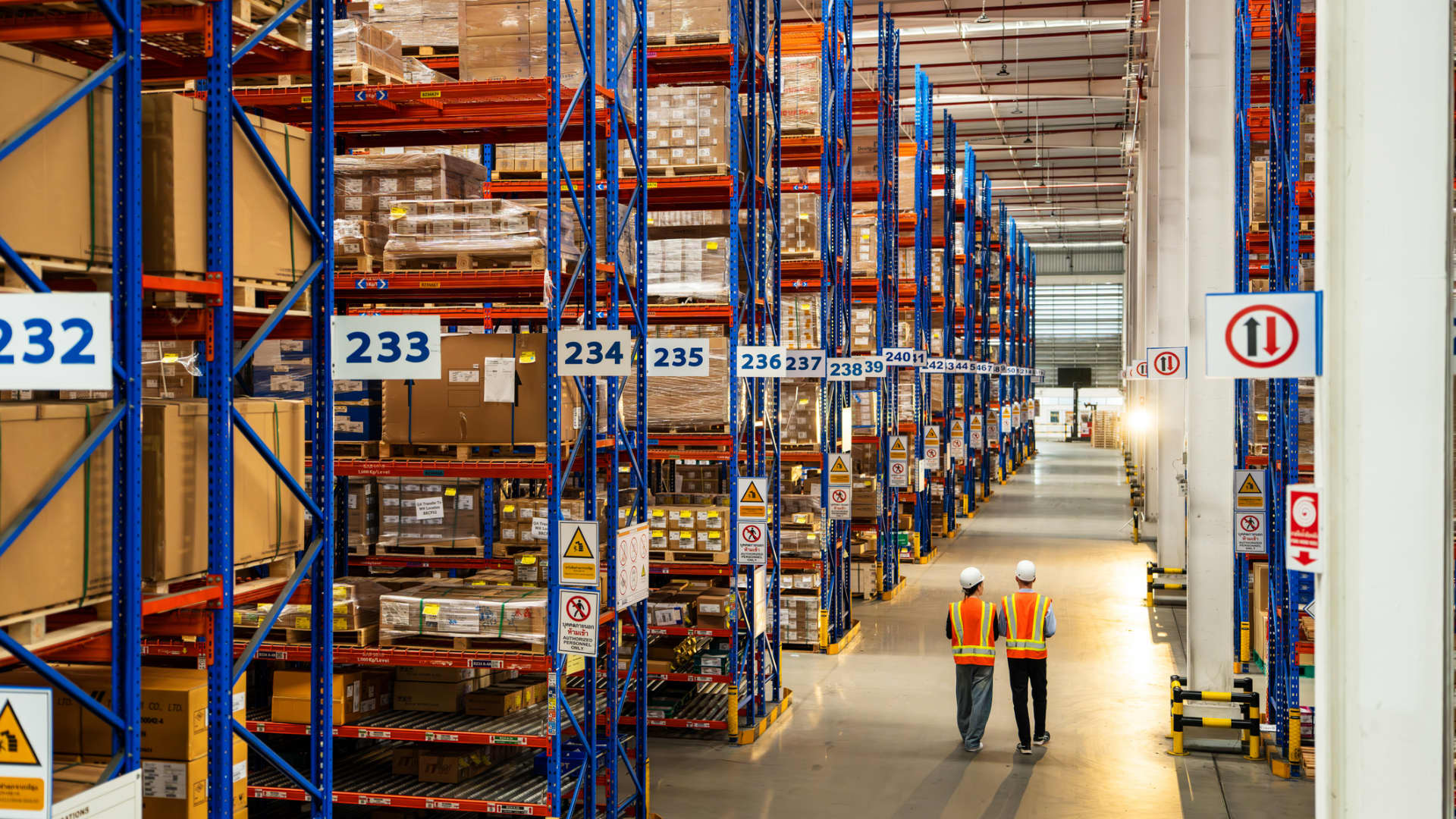
The industrial warehouse sector is experiencing a significant shift, as the pandemic-driven surge in demand begins to stabilize. After a period of rapid growth, followed by a pullback, the market is finally showing signs of balance. E-commerce, which was the primary driver of the recent boom, is still a major player, but its influence is waning as more people return to brick-and-mortar stores. As a result, warehouse tenants are now prioritizing efficiency, power, and location over sheer square footage.
Changing Demand
New development has slowed down, and federal policies are promoting the onshoring of manufacturing, which is helping to counter high interest rates and economic uncertainty. Rent increases are no longer as steep as they were a few years ago, and in some markets, they are actually falling slightly due to oversupply. According to Judy Guarino, managing director of commercial mortgage lending at JPMorgan Chase, “Industrial property rents are showing signs of stabilization, indicating a more balanced market environment.”
The big-box subsector, which refers to large, modern distribution and warehouse facilities, is a significant segment of the overall warehouse real estate market. This sector is driven by demand from online retailers and companies seeking efficient supply chain operations. Recent economic and tariff policies have shaken this demand, but as these policies settle, more demand could return. Lower interest rates would also be a driver of growth in this sector.
Supply Chain Trends
Supply chain trends are also undergoing a transformation, which could increase demand for warehouse space. Prologis, the world’s largest logistics real estate company, has identified several key trends to watch, including the growth of e-commerce, the need for power-ready logistics facilities, and the increasing importance of defense-related demand. The company predicts that e-commerce companies will make up nearly 25% of new leasing in 2026, and that the need for power-ready facilities will be a top-three factor in location selection.
Another significant trend in the warehouse sector is the increasing importance of power availability and network densification. According to a recent report from Hines, a global real estate investment manager, power is emerging as a leading driver across real estate portfolios. The report notes that opportunity lies in power-advantaged infill assets that support faster and denser networks, and that closeness to key infrastructure is becoming a major advantage.
Reshoring and Proximity
Further research from Hines shows that warehouse net absorption has correlated to manufacturing construction spend, highlighting another potential source of demand for industrial properties. The company predicts that reshoring alone could increase overall warehouse demand over the next five years by roughly 35%. Proximity to key infrastructure, such as ports, is also becoming increasingly important, as companies seek to maintain supply chain resilience and adapt to trade shifts.
Amazon’s logistics real estate strategy is a prime example of this trend, prioritizing efficiency, automation, and consumer proximity over sheer scale. According to a note from CoStar Group, Amazon’s demand for larger footprint facilities has hit a seven-year low, but the company is still drawn to newer, taller buildings with an emphasis on modern, efficient distribution centers.
Technological Advancements
Artificial intelligence and property technology are also making an impact on the warehouse sector, helping owners and operators to analyze supply chains, traffic patterns, and data more efficiently. These technologies are also being used to manage inventory and predict maintenance needs, reducing costs and improving overall efficiency. As the warehouse sector continues to evolve, it’s likely that we’ll see even more innovative uses of technology to drive growth and improvement.


Community Mentorship Programs Help Strengthen Local Workforce and Social Impact

Low-Code Platforms are Changing How Businesses Build Internal Technology

Microlearning in Employee Training: A Practical Approach to Workplace Skill Development

Decision-Making Frameworks Improve Strategic Leadership and Organizational Clarity

Career Ladder Programs Strengthen Workforce Development and Employee Retention

Workplace Recognition Programs Improve Organizational Culture and Employee Engagement

Why Mental Endurance is Essential for Workplace Resilience

What Informational Interviews are and Why they Matter

How Emotional Intelligence Can Help You Manage Stress and Build Resilience

Interview with Dr. Kristy K. Taylor, WORxK Global News Magazine Founder

Sarah Herrlinger Talks AirPods Pro Hearing Aid

NetWork Your Way to Success: Top Tips for Maximizing Your Professional Network

Unlocking Human Potential: Kim Groshek’s Journey to Transforming Leadership and Stress Resilience

The Power of Belonging: Why Feeling Accepted Matters in the Workplace

Health-care stocks fall after Warren PBM bill, Brian Thompson shooting

Glenda Benevides: Creating Global Impact Through Music
-
 Resiliency7 months ago
How Emotional Intelligence Can Help You Manage Stress and Build Resilience
-
 Career Advice1 year ago
Interview with Dr. Kristy K. Taylor, WORxK Global News Magazine Founder
-
 Diversity and Inclusion (DEIA)1 year ago
Sarah Herrlinger Talks AirPods Pro Hearing Aid
-
 Career Advice1 year ago
NetWork Your Way to Success: Top Tips for Maximizing Your Professional Network
-
 Changemaker Interviews1 year ago
Unlocking Human Potential: Kim Groshek’s Journey to Transforming Leadership and Stress Resilience
-
 Diversity and Inclusion (DEIA)1 year ago
The Power of Belonging: Why Feeling Accepted Matters in the Workplace
-
 Global Trends and Politics1 year ago
Health-care stocks fall after Warren PBM bill, Brian Thompson shooting
-
 Changemaker Interviews12 months ago
Glenda Benevides: Creating Global Impact Through Music