
Diversity and Inclusion (DEIA)
The Silence After the Spotlight: What Happened to Health Equity?

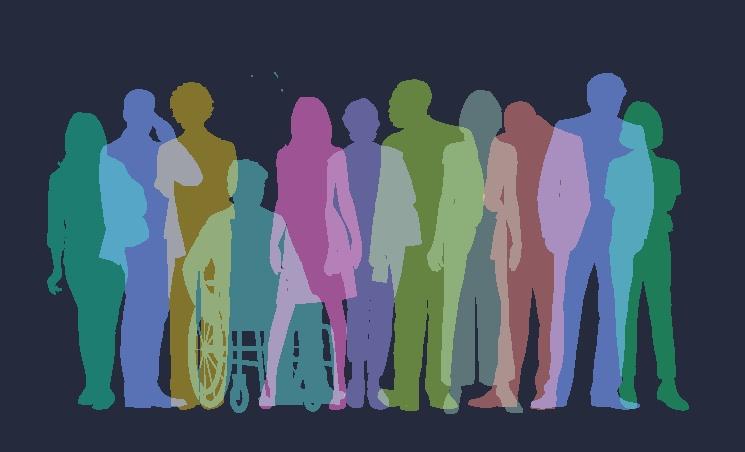
The last five years ushered in a wave of performative urgency across the healthcare industry — a tidal surge of press releases, C-suite appointments and purpose-driven campaigns declaring a new era of commitment to diversity, equity and inclusion. For many who have spent their careers in the trenches of health disparities work, it felt like a long-awaited reckoning — a rare window to push real, systemic change.
The Reality of Health Equity Efforts
But now, with the political winds shifting and legal uncertainties clouding the DEI landscape, many of the loudest voices have gone eerily quiet. Initiatives are quietly being sunset. Equity teams are being dissolved. Former champions have disappeared from panels and podiums. What once appeared to be a movement now feels more like a marketing cycle that expired.
Was Health Equity Just a Fad?
It’s fair to ask: was health equity just the latest healthcare “hustle”? Another badge for visibility? A convenient way to be on trend? Many of the early warning signs were there: initiatives announced without infrastructure, funding that never materialized and leadership roles created without authority or resources. DEI professionals were invited into rooms — but too often not given a voice. They were handed lofty titles, yet asked to color inside predetermined lines. Meanwhile, their organizations basked in applause for appearances, not results.
What Happened to Health Equity?
What happened? The generous interpretation is that legal and political pressures forced a change in strategy. But even that framing lets too many leaders off the hook. Because you can alter rhetoric without abandoning values. You can evolve your messaging without walking away from your mission. The truth is more uncomfortable: some organizations weren’t ever serious about this work to begin with. They were renting values, not owning them.
The Impact on Health Equity Leaders
Let’s not sugarcoat this moment. Many health equity leaders feel betrayed. They feel used. And they’re right to feel that way. Because what’s at stake isn’t just credibility — it’s people’s lives. Vulnerable communities that experience the harshest disparities in health outcomes don’t have the luxury of waiting for politics to stabilize or organizational priorities to realign. So, where do we go from here?
Moving Forward
1. Stay the Course—Even If the Spotlight Is Gone
Now is not the time to back down. In fact, real leaders will show themselves in what they do now, when the noise has died down and the easy accolades are gone. Organizations that meant what they said should continue to drive toward health equity goals however they are described — if necessary, under new language or frameworks. Call it quality. Call it population health. Call it patient-centeredness. But don’t stop doing the work just because the branding changed. Leadership is not about doing what’s popular — it’s about doing what’s right, even when it’s uncomfortable.
2. Demand Accountability—for Past Commitments and Present Silence
We cannot normalize the kind of strategic amnesia now unfolding across healthcare. When organizations made bold pronouncements in 2020, they weren’t just symbolic gestures — they were public commitments. And commitments matter. It’s time to ask the uncomfortable questions: What happened to your health equity agenda? Why are your equity leaders gone? Where did the funding go?
3. Integrate Equity into the Broader Healthcare Fix
The biggest opportunity we’ve missed is also our most urgent one: integrating the health equity conversation into broader healthcare reform. The same systemic issues — misaligned incentives, fragmented care, access barriers, clinician burnout — that fail everyone fail the most vulnerable people first and worst. Equity isn’t a separate issue. It’s the canary in the coal mine. Fixing equity and fixing healthcare are not competing goals — they are convergent ones. If we design a system that works for the most complex, marginalized patients, we design a system that is better for everyone.
Conclusion
So, yes, some of what we saw over the past few years was performative. Some of it was opportunistic. Some of it was a hustle. But it wasn’t for everyone, and we can’t afford to let our cynicism dictate the future. Because while some leaders may be done with health equity, health equity isn’t done with us. The disparities are still there. The patients are still suffering. The trust is still broken. And our obligation remains — especially if we want to call ourselves a just and compassionate healthcare system. Real leadership in this moment isn’t loud. It’s consistent. It’s not in the spotlight. It’s in the follow-through. And it doesn’t waver when the applause and recognition stops.
FAQs
- Q: What is health equity?
- A: Health equity refers to the principle of ensuring that all individuals have an equal opportunity to achieve optimal health, regardless of their background, socioeconomic status, or demographic characteristics.
- Q: Why did health equity initiatives seem to fade away?
- A: Health equity initiatives appeared to fade away due to a combination of factors, including shifting political winds, legal uncertainties, and a lack of genuine commitment from some organizations.
- Q: How can we move forward with health equity efforts?
- A: Moving forward requires staying committed to health equity goals, demanding accountability from organizations, and integrating equity into broader healthcare reform efforts.
- Q: Why is integrating equity into healthcare reform important?
- A: Integrating equity into healthcare reform is crucial because it addresses the systemic issues that disproportionately affect vulnerable communities, ultimately leading to a better healthcare system for everyone.




Community Mentorship Programs Help Strengthen Local Workforce and Social Impact

Low-Code Platforms are Changing How Businesses Build Internal Technology

Microlearning in Employee Training: A Practical Approach to Workplace Skill Development

Decision-Making Frameworks Improve Strategic Leadership and Organizational Clarity

Career Ladder Programs Strengthen Workforce Development and Employee Retention

Workplace Recognition Programs Improve Organizational Culture and Employee Engagement

Why Mental Endurance is Essential for Workplace Resilience

What Informational Interviews are and Why they Matter

How Emotional Intelligence Can Help You Manage Stress and Build Resilience

Interview with Dr. Kristy K. Taylor, WORxK Global News Magazine Founder

Sarah Herrlinger Talks AirPods Pro Hearing Aid

NetWork Your Way to Success: Top Tips for Maximizing Your Professional Network

Unlocking Human Potential: Kim Groshek’s Journey to Transforming Leadership and Stress Resilience

The Power of Belonging: Why Feeling Accepted Matters in the Workplace

Health-care stocks fall after Warren PBM bill, Brian Thompson shooting

Glenda Benevides: Creating Global Impact Through Music
-
 Resiliency7 months ago
How Emotional Intelligence Can Help You Manage Stress and Build Resilience
-
 Career Advice1 year ago
Interview with Dr. Kristy K. Taylor, WORxK Global News Magazine Founder
-
 Diversity and Inclusion (DEIA)1 year ago
Sarah Herrlinger Talks AirPods Pro Hearing Aid
-
 Career Advice1 year ago
NetWork Your Way to Success: Top Tips for Maximizing Your Professional Network
-
 Changemaker Interviews1 year ago
Unlocking Human Potential: Kim Groshek’s Journey to Transforming Leadership and Stress Resilience
-
 Diversity and Inclusion (DEIA)1 year ago
The Power of Belonging: Why Feeling Accepted Matters in the Workplace
-
 Global Trends and Politics1 year ago
Health-care stocks fall after Warren PBM bill, Brian Thompson shooting
-
 Changemaker Interviews12 months ago
Glenda Benevides: Creating Global Impact Through Music