
Innovation and Technology
When a Cancer Patient Tests Positive for Covid-19

The Covid-19 Pandemic and Cancer Patients: The Need for Remote Monitoring
Unprecedented Demands on Healthcare Providers
The Covid-19 pandemic has placed unprecedented demands on health care providers, among them the need to monitor patients remotely. This shift in care delivery has been necessitated by the need to reduce the risk of transmission of the virus in healthcare settings.
Cancer Patients at High Risk
Among the most vulnerable populations are cancer patients, who are at high risk of developing potentially lethal complications of Covid-19. Cancer patients often have compromised immune systems, which makes them more susceptible to severe illness from the virus.
Challenges in Monitoring Cancer Patients Remotely
Monitoring cancer patients remotely presents several challenges. These patients often require frequent check-ins and monitoring to manage their condition, which can be difficult to achieve in a remote setting. Additionally, cancer patients may require specialized care and treatment, which can be complex and time-consuming to manage remotely.
Importance of Remote Monitoring in Cancer Care
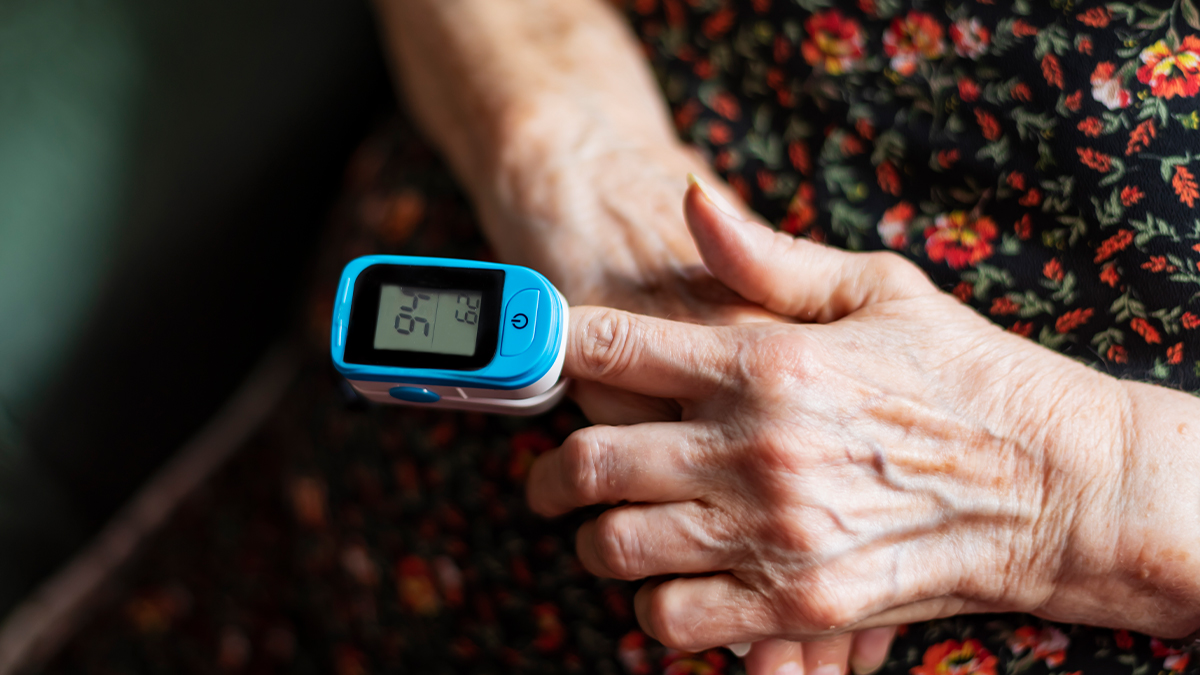
Despite the challenges, remote monitoring is crucial in cancer care. It allows healthcare providers to monitor patients’ vital signs, symptoms, and treatment responses remotely, which can help to identify potential complications early on. This can help to reduce the risk of hospitalization and improve patient outcomes.
Benefits of Remote Monitoring in Cancer Care
Remote monitoring in cancer care offers several benefits, including:
- Improved patient outcomes
- Reduced risk of hospitalization
- Increased patient satisfaction
- Improved communication between patients and healthcare providers
Conclusion
In conclusion, the Covid-19 pandemic has highlighted the need for remote monitoring in cancer care. While there are challenges to overcome, the benefits of remote monitoring make it a crucial aspect of cancer care. By monitoring cancer patients remotely, healthcare providers can improve patient outcomes, reduce the risk of hospitalization, and increase patient satisfaction.
FAQs
Q: What are the challenges in monitoring cancer patients remotely?
A: Monitoring cancer patients remotely presents several challenges, including the need for frequent check-ins and monitoring, specialized care and treatment, and the risk of delayed diagnosis and treatment.
Q: Why is remote monitoring important in cancer care?
A: Remote monitoring is important in cancer care because it allows healthcare providers to monitor patients’ vital signs, symptoms, and treatment responses remotely, which can help to identify potential complications early on and improve patient outcomes.
Q: What are the benefits of remote monitoring in cancer care?
A: The benefits of remote monitoring in cancer care include improved patient outcomes, reduced risk of hospitalization, increased patient satisfaction, and improved communication between patients and healthcare providers.




Community Mentorship Programs Help Strengthen Local Workforce and Social Impact

Low-Code Platforms are Changing How Businesses Build Internal Technology

Microlearning in Employee Training: A Practical Approach to Workplace Skill Development

Decision-Making Frameworks Improve Strategic Leadership and Organizational Clarity

Career Ladder Programs Strengthen Workforce Development and Employee Retention

Workplace Recognition Programs Improve Organizational Culture and Employee Engagement

Why Mental Endurance is Essential for Workplace Resilience

What Informational Interviews are and Why they Matter

How Emotional Intelligence Can Help You Manage Stress and Build Resilience

Interview with Dr. Kristy K. Taylor, WORxK Global News Magazine Founder

Sarah Herrlinger Talks AirPods Pro Hearing Aid

NetWork Your Way to Success: Top Tips for Maximizing Your Professional Network

Unlocking Human Potential: Kim Groshek’s Journey to Transforming Leadership and Stress Resilience

The Power of Belonging: Why Feeling Accepted Matters in the Workplace

Health-care stocks fall after Warren PBM bill, Brian Thompson shooting

Glenda Benevides: Creating Global Impact Through Music
-
 Resiliency7 months ago
How Emotional Intelligence Can Help You Manage Stress and Build Resilience
-
 Career Advice1 year ago
Interview with Dr. Kristy K. Taylor, WORxK Global News Magazine Founder
-
 Diversity and Inclusion (DEIA)1 year ago
Sarah Herrlinger Talks AirPods Pro Hearing Aid
-
 Career Advice1 year ago
NetWork Your Way to Success: Top Tips for Maximizing Your Professional Network
-
 Changemaker Interviews1 year ago
Unlocking Human Potential: Kim Groshek’s Journey to Transforming Leadership and Stress Resilience
-
 Diversity and Inclusion (DEIA)1 year ago
The Power of Belonging: Why Feeling Accepted Matters in the Workplace
-
 Global Trends and Politics1 year ago
Health-care stocks fall after Warren PBM bill, Brian Thompson shooting
-
 Changemaker Interviews12 months ago
Glenda Benevides: Creating Global Impact Through Music