
Organizational Culture
When Leadership Sets the Tone, the Culture Follows

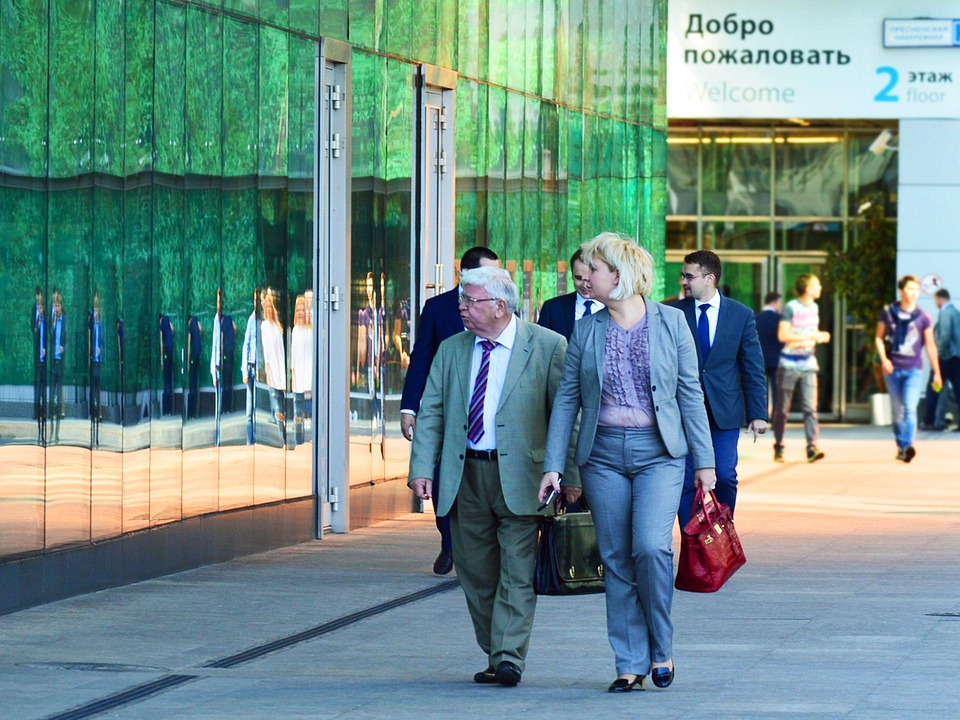
In twenty twenty five, the biggest workplace trend is not about perks, tech upgrades, or even remote policies—it’s about leadership. Specifically, how the everyday behavior of leaders is either strengthening or quietly eroding the culture of their organizations.
Culture is not a mission statement on a wall. It’s how people feel when they speak up in a meeting. It’s how they respond to failure. It’s how leaders act when no one’s watching—and how consistent those actions are with what the company says it values.
Culture Is What You Do, Not Just What You Say
One of the biggest mistakes companies make is believing culture can be “launched” through initiatives or slogans. But the reality? Employees watch their leaders more than they read the handbook.
If leaders:
-
Dismiss feedback, others will stay silent
-
Avoid accountability, others will follow suit
-
Normalize burnout, others will assume it’s part of the job
On the flip side, when leaders model empathy, curiosity, and integrity, those values start to echo through every level of the organization.
Micro-Moments Shape Macro Culture
You don’t need a town hall to build culture—you need consistency in the small moments. That means:
-
Giving credit in public, not just behind closed doors
-
Responding to challenges with curiosity, not defensiveness
-
Admitting when you get it wrong and showing what learning looks like in action
These are the behaviors employees remember. They become the real standards that shape how people work together.
Why It Matters Now More Than Ever
As companies face economic uncertainty, changing workforce dynamics, and the rise of AI, the need for human-centered leadership has never been greater. Employees are no longer just evaluating roles—they’re evaluating the environments they’re stepping into.
Trust, transparency, and psychological safety are no longer HR buzzwords. They’re strategic assets.
And the companies that lead with culture, not just policy, are the ones that retain top talent, adapt faster, and innovate more consistently.
Final Thought:
Culture does not come from an all-hands meeting or a Slack channel announcement. It comes from what leaders do when no one is looking—and how those actions shape what others believe is possible. In times of change, the most powerful thing a leader can offer is not certainty, but consistency.
For more stories on workplace values, leadership impact, and building environments where people thrive, keep reading WORxK Global News.


Community Mentorship Programs Help Strengthen Local Workforce and Social Impact

Low-Code Platforms are Changing How Businesses Build Internal Technology

Microlearning in Employee Training: A Practical Approach to Workplace Skill Development

Decision-Making Frameworks Improve Strategic Leadership and Organizational Clarity

Career Ladder Programs Strengthen Workforce Development and Employee Retention

Workplace Recognition Programs Improve Organizational Culture and Employee Engagement

Why Mental Endurance is Essential for Workplace Resilience

What Informational Interviews are and Why they Matter

How Emotional Intelligence Can Help You Manage Stress and Build Resilience

Interview with Dr. Kristy K. Taylor, WORxK Global News Magazine Founder

Sarah Herrlinger Talks AirPods Pro Hearing Aid

NetWork Your Way to Success: Top Tips for Maximizing Your Professional Network

Unlocking Human Potential: Kim Groshek’s Journey to Transforming Leadership and Stress Resilience

The Power of Belonging: Why Feeling Accepted Matters in the Workplace

Health-care stocks fall after Warren PBM bill, Brian Thompson shooting

Glenda Benevides: Creating Global Impact Through Music
-
 Resiliency7 months ago
How Emotional Intelligence Can Help You Manage Stress and Build Resilience
-
 Career Advice1 year ago
Interview with Dr. Kristy K. Taylor, WORxK Global News Magazine Founder
-
 Diversity and Inclusion (DEIA)1 year ago
Sarah Herrlinger Talks AirPods Pro Hearing Aid
-
 Career Advice1 year ago
NetWork Your Way to Success: Top Tips for Maximizing Your Professional Network
-
 Changemaker Interviews1 year ago
Unlocking Human Potential: Kim Groshek’s Journey to Transforming Leadership and Stress Resilience
-
 Diversity and Inclusion (DEIA)1 year ago
The Power of Belonging: Why Feeling Accepted Matters in the Workplace
-
 Global Trends and Politics1 year ago
Health-care stocks fall after Warren PBM bill, Brian Thompson shooting
-
 Changemaker Interviews12 months ago
Glenda Benevides: Creating Global Impact Through Music