
Innovation and Technology
When Machines Think In Context

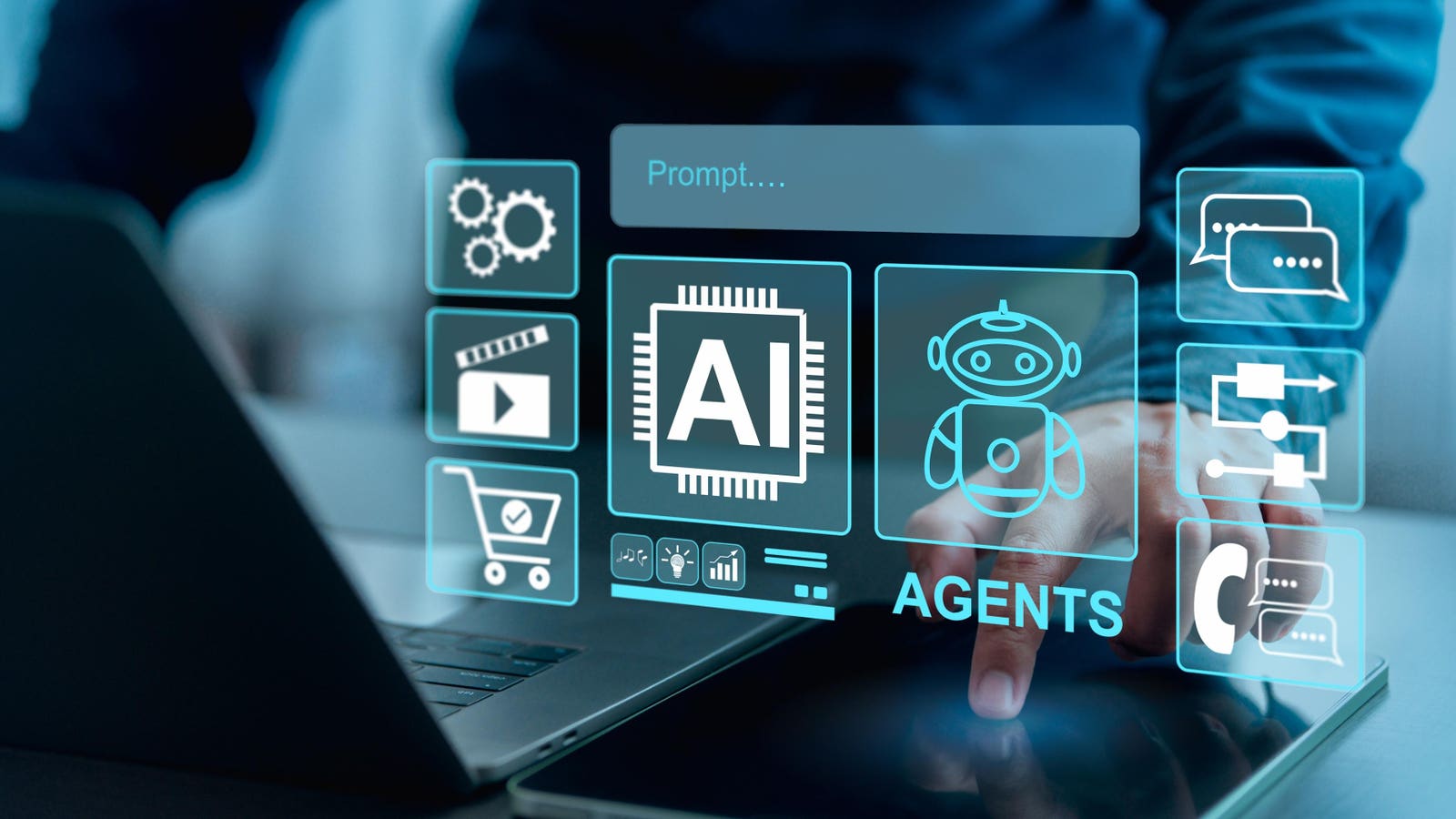
The world of artificial intelligence (AI) is undergoing a significant transformation, as machines are evolving from simply following instructions to thinking in context and acting with purpose in real-time. This shift marks the emergence of Agentic AI, a new class of systems that can reason, collaborate, and act independently towards defined goals. In the realm of cybersecurity, where milliseconds can be the difference between a successful attack and a thwarted one, Agentic AI is poised to revolutionize the industry by introducing autonomy to handle complexity.
The Evolution of AI in Cybersecurity
For years, cybersecurity has relied on automation to handle scale, but this approach has its limitations. Traditional AI systems in cybersecurity follow a predictable pattern: detect an anomaly, trigger a playbook, and repeat. While efficient, this approach lacks intelligence, as it fails to understand the underlying reasons for the anomaly. Agentic AI, on the other hand, uses reasoning to investigate the cause of suspicious behavior, correlate it with historical patterns, infer intent, and propose actions. This represents a fundamental shift from reaction to reflection, enabling machines to think and act like humans.
Cognitive Defense: The Future of Cybersecurity
The volume and velocity of modern cyber threats have outpaced human capacity, with attackers already using AI to probe for weaknesses and craft phishing campaigns at an unprecedented scale. To combat these threats, cybersecurity needs cognitive defense, which involves augmenting human judgment with AI that understands relationships, causality, and consequence. This approach enables machines to infer, contextualize, and adapt in real-time, providing a proactive defense against AI-driven attacks. By leveraging Agentic AI, organizations can give their human analysts an army of digital colleagues that can reason at machine speed, enhancing their ability to respond to threats effectively.
Real-World Applications of Agentic AI
A recent example of Agentic AI in action is Dataminr’s launch of Intel Agents, which extends the company’s real-time event and threat intelligence platform into agentic AI territory. These autonomous digital analysts continuously ask and answer hundreds of questions about every detected event, scanning millions of public data sources and historical archives to determine why something is happening and what it means. This represents a leap from information to insight, enabling organizations to respond to threats with greater speed and accuracy. By operating at a superhuman scale, Agentic AI can fulfill the promises of earlier technologies like SIEM and SOAR, providing a more comprehensive and effective defense against cyber threats.
Collaborative AI: The Key to Success
One of the most interesting aspects of Dataminr’s approach is its architectural design, which uses a network of smaller, domain-specific AI models that are specialized and synchronized to work together towards a shared objective. This modular design mirrors how human teams operate, with specialized experts working together to achieve a common goal. By reducing hallucination risk, improving efficiency, and keeping reasoning grounded in relevant data, this approach represents a practical vision for the evolution of Agentic AI. As AI continues to evolve, it’s essential to prioritize collaborative, distributed, and scalable designs that can adapt to the complexities of the real world.
Autonomy with Accountability
As Agentic AI becomes more prevalent, the question of control and accountability arises. While autonomy is essential for effective decision-making, it’s crucial to balance this with human oversight, transparency, and interpretability. The real risk is not giving AI too much power but hesitating while attackers exploit the lack of autonomy. By building frameworks that enable autonomous systems to reason and act while maintaining human control, organizations can harness the benefits of Agentic AI while minimizing the risks. This requires a deep understanding of what AI systems are doing and what data they’re touching, making it essential to establish AI governance as a core security discipline.
The Broader Implications of Agentic AI
Agentic AI has far-reaching implications that extend beyond cybersecurity. As machines evolve to think and act like humans, they will transform various aspects of our lives, from emergency response and logistics management to governance and decision-making. By providing context and reasoning capabilities, Agentic AI will become an indispensable tool for organizations and individuals alike, enabling them to respond to complex challenges with greater speed, accuracy, and effectiveness. As we embark on this journey, it’s essential to prioritize clarity, transparency, and accountability, ensuring that the benefits of Agentic AI are realized while minimizing its risks.




Community Mentorship Programs Help Strengthen Local Workforce and Social Impact

Low-Code Platforms are Changing How Businesses Build Internal Technology

Microlearning in Employee Training: A Practical Approach to Workplace Skill Development

Decision-Making Frameworks Improve Strategic Leadership and Organizational Clarity

Career Ladder Programs Strengthen Workforce Development and Employee Retention

Workplace Recognition Programs Improve Organizational Culture and Employee Engagement

Why Mental Endurance is Essential for Workplace Resilience

What Informational Interviews are and Why they Matter

How Emotional Intelligence Can Help You Manage Stress and Build Resilience

Interview with Dr. Kristy K. Taylor, WORxK Global News Magazine Founder

Sarah Herrlinger Talks AirPods Pro Hearing Aid

NetWork Your Way to Success: Top Tips for Maximizing Your Professional Network

Unlocking Human Potential: Kim Groshek’s Journey to Transforming Leadership and Stress Resilience

The Power of Belonging: Why Feeling Accepted Matters in the Workplace

Health-care stocks fall after Warren PBM bill, Brian Thompson shooting

Glenda Benevides: Creating Global Impact Through Music
-
 Resiliency7 months ago
How Emotional Intelligence Can Help You Manage Stress and Build Resilience
-
 Career Advice1 year ago
Interview with Dr. Kristy K. Taylor, WORxK Global News Magazine Founder
-
 Diversity and Inclusion (DEIA)1 year ago
Sarah Herrlinger Talks AirPods Pro Hearing Aid
-
 Career Advice1 year ago
NetWork Your Way to Success: Top Tips for Maximizing Your Professional Network
-
 Changemaker Interviews1 year ago
Unlocking Human Potential: Kim Groshek’s Journey to Transforming Leadership and Stress Resilience
-
 Diversity and Inclusion (DEIA)1 year ago
The Power of Belonging: Why Feeling Accepted Matters in the Workplace
-
 Global Trends and Politics1 year ago
Health-care stocks fall after Warren PBM bill, Brian Thompson shooting
-
 Changemaker Interviews12 months ago
Glenda Benevides: Creating Global Impact Through Music