
Organizational Culture
When Psychological Safety is More Than a Buzzword

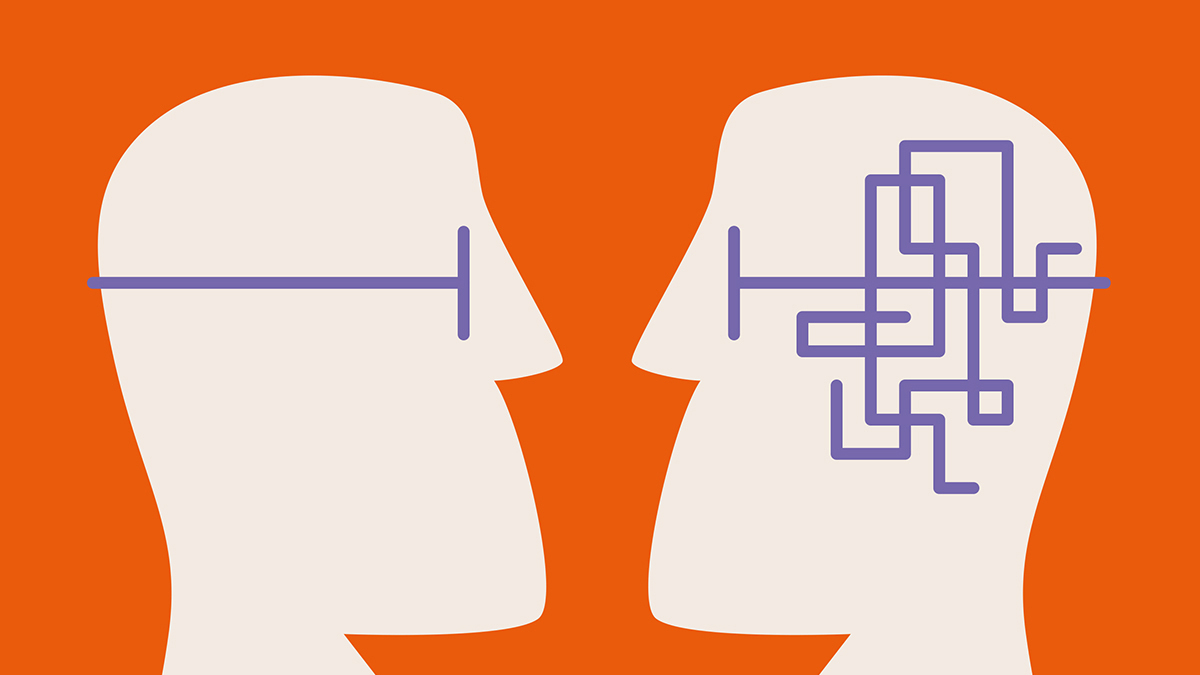
At a time when workplace headlines focus on perks and ping‑pong tables, one essential element quietly underpins real business success: psychological safety. It’s not an HR fad—it’s the foundation of collaboration, innovation, and long-term employee trust.
Recent research and organizational trends show leaders who embed genuine psychological safety—not performative versions—are seeing measurable improvements in retention, risk-taking, and overall wellbeing.
What Psychological Safety Looks Like
Psychological safety isn’t just about being nice. It’s about creating a space where employees can speak up, challenge ideas, admit mistakes, and offer new perspectives—without fearing backlash or reprisal.
A landmark report from Inspiring Workplaces identified psychological safety as the top cultural trend to watch—above all others.
The result? Teams where people feel safe to voice opinions make smarter decisions, correct mistakes fast, and build stronger interpersonal bonds.
Companies That Walk the Talk
Some organizations are turning talk into action:
-
Quantum Workplace, in its 2025 HR Trends Report, highlighted that aligning culture with strategy—and ensuring psychological safety—is critical to shaping sustainable business outcomes.
-
Similarly, Great Place to Work® notes the “quit-and-stay” risk grows when employees feel stable but disconnected—engaged people are the ones who speak up, not check out.
-
Tech firms banning after-hours Slack aren’t doing it for show—they want to normalize candid conversations during work hours, not hidden stress after hours.
Why This Matters Now
In an “AI‑first” era, tech tools may filter what we say—but they can’t replace the networks of trust that fuel innovation.
Instead, emerging Gartner research flags loneliness and disconnected teams as major business risks. Without psychological safety, people avoid conversations they should have—delaying clarity, hiding problems, and stifling growth.
Organizations investing in AI need thoughtful human frameworks to support it. Psychological safety ensures people can call out unintended mistakes, address bias, or question narrow AI outputs without fear.
How Culture Fails Psychological Safety
Too often, good intentions fall short:
-
Punitive reactions to failure send subconscious signals: “Don’t bring that up again.”
-
Unequal power dynamics make junior staff reluctant to speak out.
-
Surface-level initiatives like “open door” policies without real follow-up lead to silent frustration.
A Reddit post about employees being written up for “not smiling enough” sparked widespread outrage. That incident wasn’t about brightness—it was about constraining employees—from the body language up—sending a message that feelings didn’t matter, only compliance did.
Building Real Psychological Safety
To embed trust into the soil of culture, leaders can:
1. Actively invite dissent
Ask questions like: “What concerns do you have?” or “What’s missing that could make this work better?”
2. Acknowledge your own errors
When leaders admit mistakes, it opens the door for everyone else to do the same.
3. Set up small safety nets
Use structured retrospectives—what worked, what didn’t, what we’ll change. Make learning public.
4. Reward courageous conversations
Recognize employees who raise tough questions or gently challenge assumptions, not just the final output.
The Ripple Effect on External Reputation
Psychological safety doesn’t stay inside. It flows outward to clients, communities, and markets.
When people feel seen—as whole humans, not just seat-fillers—they deliver emotionally intelligent service, better solutions, and richer engagement. These relationships become reputational capital.
According to Reuters, authentic, consistent DEI cultures—rooted in psychological safety—help brands build stronger trust with clients and employees alike.
A Final Challenge for Leaders
Here’s where many feel stuck:
You may aspire to build open, trust-rich teams. But if you reward perfection, control messaging, or ignore feedback loops, you’re not failing at alignment—you’re failing at execution.
So here’s the challenge for leaders and teams:
-
Audit your language. How many times did “feedback” follow by “but…” this month?
-
Ask: What didn’t get spoken about because it was “just easier to let it pass”?
-
Identify one low-cost change you can model immediately—like leaving your camera off when checking in, and explaining why—it signals vulnerability, not absence.
Culture isn’t shaped by the big meeting. It’s woven through daily decisions—who speaks, who listens, and whether voices echo beyond your echo chamber.
If people aren’t afraid to speak up, imagine what you’ll discover—together.


Community Mentorship Programs Help Strengthen Local Workforce and Social Impact

Low-Code Platforms are Changing How Businesses Build Internal Technology

Microlearning in Employee Training: A Practical Approach to Workplace Skill Development

Decision-Making Frameworks Improve Strategic Leadership and Organizational Clarity

Career Ladder Programs Strengthen Workforce Development and Employee Retention

Workplace Recognition Programs Improve Organizational Culture and Employee Engagement

Why Mental Endurance is Essential for Workplace Resilience

What Informational Interviews are and Why they Matter

How Emotional Intelligence Can Help You Manage Stress and Build Resilience

Interview with Dr. Kristy K. Taylor, WORxK Global News Magazine Founder

Sarah Herrlinger Talks AirPods Pro Hearing Aid

NetWork Your Way to Success: Top Tips for Maximizing Your Professional Network

Unlocking Human Potential: Kim Groshek’s Journey to Transforming Leadership and Stress Resilience

The Power of Belonging: Why Feeling Accepted Matters in the Workplace

Health-care stocks fall after Warren PBM bill, Brian Thompson shooting

Glenda Benevides: Creating Global Impact Through Music
-
 Resiliency7 months ago
How Emotional Intelligence Can Help You Manage Stress and Build Resilience
-
 Career Advice1 year ago
Interview with Dr. Kristy K. Taylor, WORxK Global News Magazine Founder
-
 Diversity and Inclusion (DEIA)1 year ago
Sarah Herrlinger Talks AirPods Pro Hearing Aid
-
 Career Advice1 year ago
NetWork Your Way to Success: Top Tips for Maximizing Your Professional Network
-
 Changemaker Interviews1 year ago
Unlocking Human Potential: Kim Groshek’s Journey to Transforming Leadership and Stress Resilience
-
 Diversity and Inclusion (DEIA)1 year ago
The Power of Belonging: Why Feeling Accepted Matters in the Workplace
-
 Global Trends and Politics1 year ago
Health-care stocks fall after Warren PBM bill, Brian Thompson shooting
-
 Changemaker Interviews12 months ago
Glenda Benevides: Creating Global Impact Through Music