
Resiliency
When the Plan Falls Apart

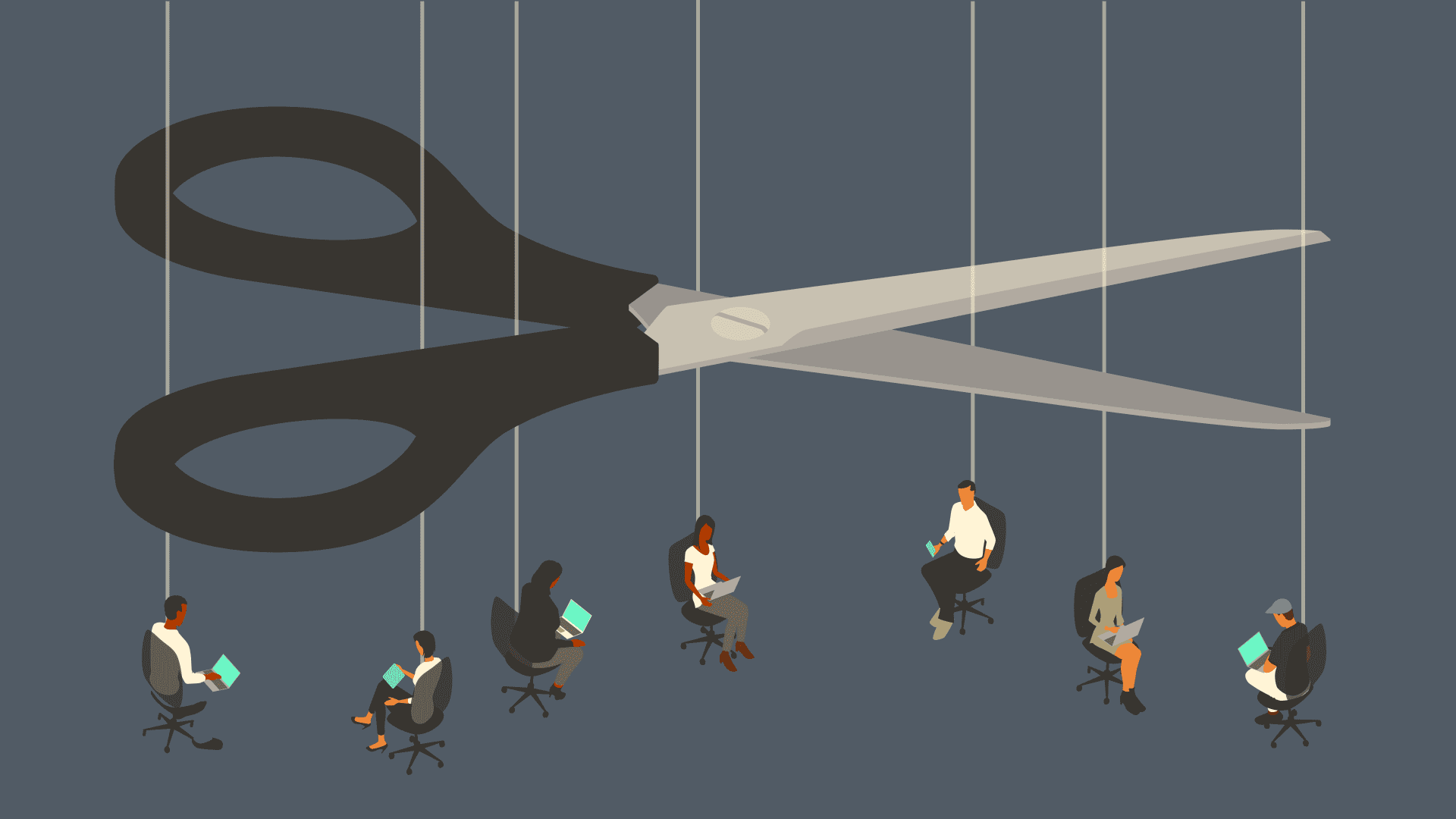
You thought you had it figured out.
The promotion was lined up. The grad school application was in. You had your five-year plan mapped out, color-coded, and backed by your best intentions. But then life showed up.
The job got eliminated. The opportunity disappeared. Or maybe—you just changed your mind.
When the plan falls apart, it can feel like you’ve failed. But sometimes, that break in the road isn’t the end. It’s the pivot point.
This is the story behind every resilient career, every second act, and every leader who rebuilt after being blindsided. So if you’re facing a season where the future feels unclear, here’s how to move through it—without losing yourself in the process.
Stop Trying to “Fix” It Right Away
The pressure to bounce back quickly is everywhere. But forcing clarity when everything feels uncertain usually backfires.
When things don’t go according to plan, give yourself permission to not have the next answer right away. Take a pause. That doesn’t mean quitting or giving up. It means stepping back long enough to think clearly.
Ask yourself:
-
What part of this was out of my control?
-
What do I still know to be true about my values, skills, or goals?
-
What might this interruption be making space for?
Sitting in that discomfort isn’t easy—but it’s where real clarity starts to form.
Redefine What Progress Looks Like
If you’re wired for achievement, unexpected change can feel like failure. But detours are not the same as dead ends.
Progress in this moment may not look like a promotion or a project launch. It might look like:
-
Updating your resume even if you’re not ready to apply yet
-
Asking for feedback instead of trying to go it alone
-
Rebuilding your daily routine one habit at a time
-
Saying no to things that used to feel like “shoulds”
The path forward isn’t always upward. Sometimes it zigzags. Sometimes it slows down. That doesn’t make it any less valid.
Give Yourself Credit for Surviving the Hard Part
We don’t give enough credit to what it takes just to hold it together while everything’s shifting. But getting through a tough season—without clarity, without applause, without a finish line—is a kind of strength most people never see.
Don’t wait for everything to be resolved to acknowledge your growth.
You’re learning how to navigate uncertainty. How to show up with less energy. How to ask better questions. That’s development, even if it doesn’t show up on a LinkedIn update.
Look Sideways, Not Just Up
When people feel stuck, they often only look for one thing: the next big leap forward. But sometimes the best move isn’t up—it’s sideways.
Lateral moves can give you:
-
A new environment that recharges your creativity
-
A different manager or team that helps you grow
-
Fresh perspective that revives your confidence
Lateral doesn’t mean lesser. It means strategic. Especially when you’re rebuilding momentum.
Anchor Yourself in Routine, Not Results
When goals feel distant or delayed, routines can give you the rhythm to keep going.
Build a routine that protects your peace and your energy. This could include:
-
A non-negotiable morning walk
-
20 minutes each day of skill-building
-
A weekly check-in with a peer or mentor
-
One hour blocked off each week for rest—not catch-up
These aren’t just wellness tips. They’re scaffolding. They keep you standing while you’re figuring out the next floor of your future.
Shift from Control to Curiosity
One of the hardest parts of career detours is losing control of the narrative. You might worry what people will think. You might feel behind. You might not know what to say when someone asks, “So what’s next?”
Here’s the reframing: You don’t need a finished story. You just need a next question.
Try:
-
What lights me up now that didn’t before?
-
What would I explore if failure wasn’t on the table?
-
What am I good at that I’ve been overlooking?
Curiosity builds resilience because it keeps you open—not just to opportunities, but to growth.
We’ve All Been There—So Let’s Make Space for Others
If you’re navigating a pivot, pause, or plan that didn’t pan out, remember this: every resilient professional has had a moment where nothing made sense—until it did.
But here’s what often gets overlooked: those who rebuild also create space for others to do the same.
So talk about the detours, not just the wins. Encourage the colleague who’s doubting themselves. Mentor someone who’s starting over. Share the lesson before you feel “successful” again.
Because bouncing back is rarely a solo act. And your ability to rebuild might just give someone else the courage to begin.


Community Mentorship Programs Help Strengthen Local Workforce and Social Impact

Low-Code Platforms are Changing How Businesses Build Internal Technology

Microlearning in Employee Training: A Practical Approach to Workplace Skill Development

Decision-Making Frameworks Improve Strategic Leadership and Organizational Clarity

Career Ladder Programs Strengthen Workforce Development and Employee Retention

Workplace Recognition Programs Improve Organizational Culture and Employee Engagement

Why Mental Endurance is Essential for Workplace Resilience

What Informational Interviews are and Why they Matter

How Emotional Intelligence Can Help You Manage Stress and Build Resilience

Interview with Dr. Kristy K. Taylor, WORxK Global News Magazine Founder

Sarah Herrlinger Talks AirPods Pro Hearing Aid

NetWork Your Way to Success: Top Tips for Maximizing Your Professional Network

Unlocking Human Potential: Kim Groshek’s Journey to Transforming Leadership and Stress Resilience

The Power of Belonging: Why Feeling Accepted Matters in the Workplace

Health-care stocks fall after Warren PBM bill, Brian Thompson shooting

Glenda Benevides: Creating Global Impact Through Music
-
 Resiliency7 months ago
How Emotional Intelligence Can Help You Manage Stress and Build Resilience
-
 Career Advice1 year ago
Interview with Dr. Kristy K. Taylor, WORxK Global News Magazine Founder
-
 Diversity and Inclusion (DEIA)1 year ago
Sarah Herrlinger Talks AirPods Pro Hearing Aid
-
 Career Advice1 year ago
NetWork Your Way to Success: Top Tips for Maximizing Your Professional Network
-
 Changemaker Interviews1 year ago
Unlocking Human Potential: Kim Groshek’s Journey to Transforming Leadership and Stress Resilience
-
 Diversity and Inclusion (DEIA)1 year ago
The Power of Belonging: Why Feeling Accepted Matters in the Workplace
-
 Global Trends and Politics1 year ago
Health-care stocks fall after Warren PBM bill, Brian Thompson shooting
-
 Changemaker Interviews12 months ago
Glenda Benevides: Creating Global Impact Through Music