
Innovation and Technology
Why China’s Tech Giants Are Actively Embracing The Elderly

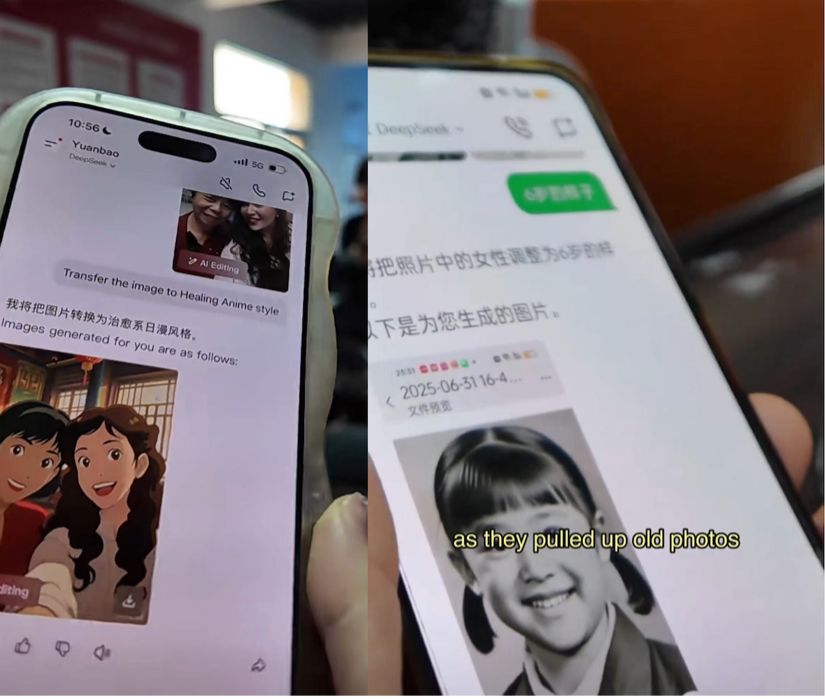
In the rural areas of China’s Fujian province, a remarkable phenomenon is unfolding. Seniors in Sha Xian County are embracing artificial intelligence (AI) to enhance their daily lives, from navigating healthcare and mobile payments to avoiding scams. This trend is not only a testament to the country’s efforts to promote digital inclusivity but also a beacon of hope for addressing the challenges posed by an aging population.
Empowering Seniors through AI
The Chinese government and major tech firms have joined forces to empower seniors, recognizing the vast potential of the ‘silver economy.’ With over 280 million people aged 60 and above, this demographic represents a significant market opportunity. However, the initiative goes beyond mere economics, as it seeks to promote intergenerational care and social inclusivity. By engaging seniors, China is signaling that technology should be accessible to all, regardless of age or socio-economic background.
One of the primary motivations behind this initiative is to prevent fraud and protect seniors from digital scams. AI-powered assistants, such as Tencent’s Yuanbao, are being used to simplify digital interactions, flag suspicious activity, and create safer online environments. These efforts are yielding positive results, with many seniors becoming more confident in their ability to navigate the digital world.
Expanding AI Adoption beyond Seniors
While seniors are a primary focus, China’s AI push is not limited to this demographic. The country is actively working to bring AI to other underserved groups, including rural residents, low-income workers, and those with limited digital experience. Smartphone penetration is surprisingly high among these groups, yet many still lack access to essential services like healthcare, banking, and government support. AI is helping to bridge this gap by providing simplified telemedicine platforms, financial literacy tools, and other innovative solutions.
This inclusive approach reflects a fundamentally different vision of AI’s purpose. Rather than viewing advanced technology as a luxury, China is embedding it as a necessity for everyday life. The emphasis is on who benefits from AI, rather than just its technical capabilities. This people-centric approach is yielding positive results, with many underserved individuals gaining access to services that were previously out of reach.
A Tale of Two Approaches
The contrast between China’s approach to AI and that of the United States and Europe is striking. While Silicon Valley is focused on pushing the technical frontiers of AI, China is prioritizing practical applications that benefit ordinary people. The Chinese government’s directives, such as the 2020 State Council initiative, have played a significant role in shaping the country’s AI ecosystem. In contrast, the tech industry in other countries tends to follow market forces, often prioritizing the needs of younger, more digitally savvy consumers.
This difference in approach has significant implications for how AI is perceived and adopted. By bringing seniors and other underserved groups into the AI ecosystem, China is reshaping the narrative around technology and aging. Rather than viewing AI as a source of anxiety or exclusion, people are beginning to see it as a tool for empowerment and independence.
Innovation with Dignity
The story of Sha Xian County’s elderly students learning to use AI assistants is a powerful testament to the potential of technology to transform lives. These individuals may not be aware of the latest advancements in artificial general intelligence, but they are empowered to use technology to improve their daily lives. This simple yet profound impact is a reminder that innovation should be guided by a sense of dignity and purpose, rather than just a pursuit of technical progress.
As the world grapples with the challenges of an aging population, China’s approach to AI offers a valuable lesson. By prioritizing inclusivity, practicality, and social responsibility, it is possible to create a more equitable and empowering technology ecosystem. The result is a model of innovation that not only advances technology but also uplifts people, ensuring that no one is left behind in the digital age.




Community Mentorship Programs Help Strengthen Local Workforce and Social Impact

Low-Code Platforms are Changing How Businesses Build Internal Technology

Microlearning in Employee Training: A Practical Approach to Workplace Skill Development

Decision-Making Frameworks Improve Strategic Leadership and Organizational Clarity

Career Ladder Programs Strengthen Workforce Development and Employee Retention

Workplace Recognition Programs Improve Organizational Culture and Employee Engagement

Why Mental Endurance is Essential for Workplace Resilience

What Informational Interviews are and Why they Matter

How Emotional Intelligence Can Help You Manage Stress and Build Resilience

Interview with Dr. Kristy K. Taylor, WORxK Global News Magazine Founder

Sarah Herrlinger Talks AirPods Pro Hearing Aid

NetWork Your Way to Success: Top Tips for Maximizing Your Professional Network

Unlocking Human Potential: Kim Groshek’s Journey to Transforming Leadership and Stress Resilience

The Power of Belonging: Why Feeling Accepted Matters in the Workplace

Health-care stocks fall after Warren PBM bill, Brian Thompson shooting

Glenda Benevides: Creating Global Impact Through Music
-
 Resiliency7 months ago
How Emotional Intelligence Can Help You Manage Stress and Build Resilience
-
 Career Advice1 year ago
Interview with Dr. Kristy K. Taylor, WORxK Global News Magazine Founder
-
 Diversity and Inclusion (DEIA)1 year ago
Sarah Herrlinger Talks AirPods Pro Hearing Aid
-
 Career Advice1 year ago
NetWork Your Way to Success: Top Tips for Maximizing Your Professional Network
-
 Changemaker Interviews1 year ago
Unlocking Human Potential: Kim Groshek’s Journey to Transforming Leadership and Stress Resilience
-
 Diversity and Inclusion (DEIA)1 year ago
The Power of Belonging: Why Feeling Accepted Matters in the Workplace
-
 Global Trends and Politics1 year ago
Health-care stocks fall after Warren PBM bill, Brian Thompson shooting
-
 Changemaker Interviews12 months ago
Glenda Benevides: Creating Global Impact Through Music