
Innovation and Technology
Why Critical Thinking Is Your Best Weapon Against the Coming Deepfake Tsunami

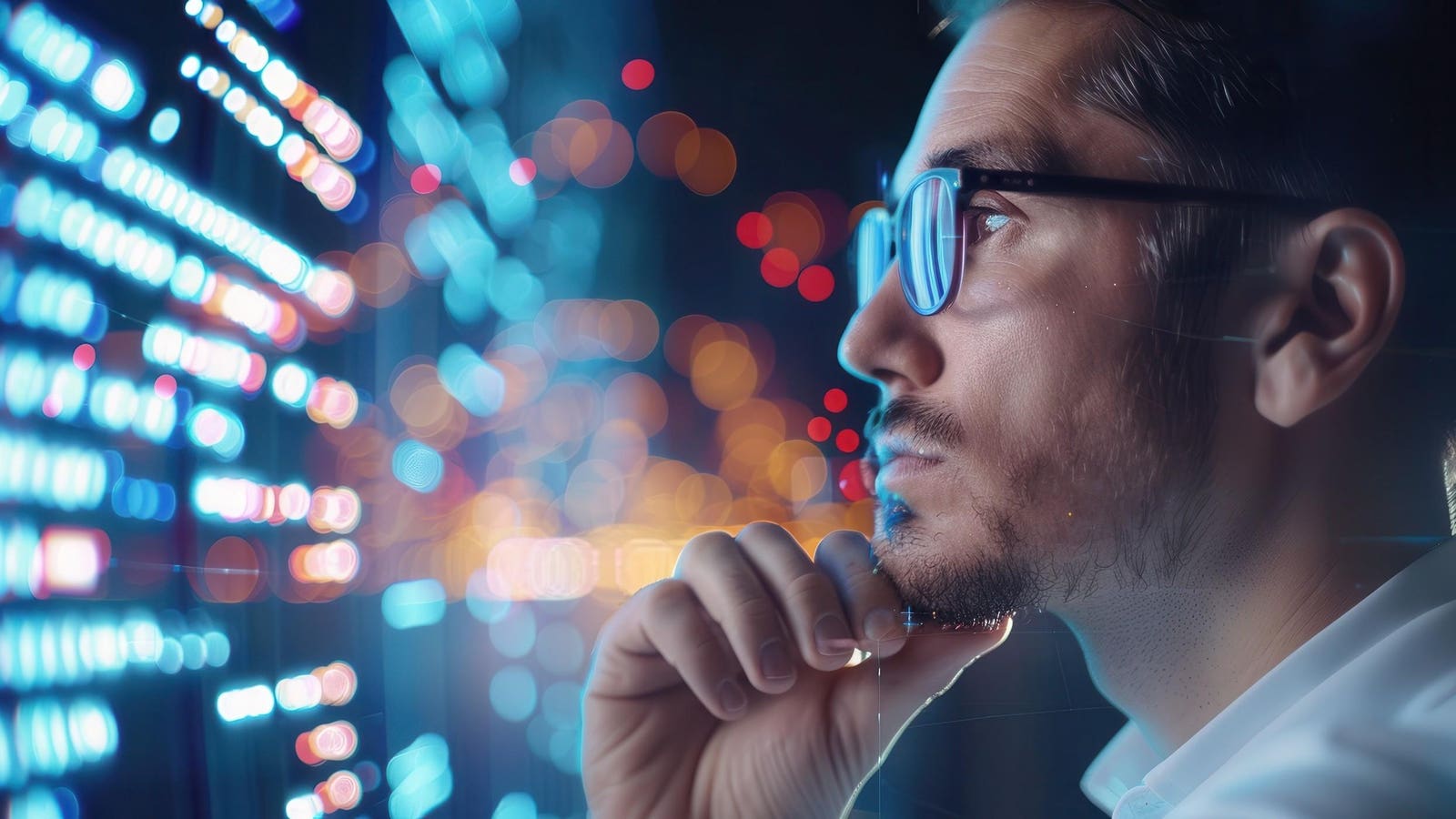
Deepfake Technology: Evolving Faster Than Detection Tools Can Keep Pace
Deepfake technology is evolving faster than detection tools can keep pace, creating unprecedented business risks, including fraud and disinformation. Adobe Stock
Fake (sometimes called synthetic) content has exploded in the past few years, with Amazon research suggesting that up to 60 percent of the content on the internet is AI-generated.
The Problem with Deepfakes
Not all of this is "deepfake," which specifically means content designed to look really misleading. In recent years, we’ve seen deepfakes used to manipulate elections, commit fraud and theft, and create pornographic images of people without their consent.
The Growing Threat
These problems are only likely to get worse as AI tools become more powerful and accessible. Grok 3, created by Elon Musk’s xAI, for example, is now free for all X (Twitter) users and can be used to make convincing deepfakes of real people.
Protecting Against Deception
There are lots of tools available that can protect against deception or abuse perpetrated by deepfake. AI-based detection tools can detect, with varying levels of success, whether content has been digitally generated or manipulated. Multi-factor authentication and other digital identity verification tools can also protect against social engineering attacks.
The Limitations of Technology
However, deepfake technology is evolving and improving so quickly that this isn’t enough. This is why education, critical thinking, and awareness are equally, if not more important if you want to take steps to protect yourself.
Critical Thinking and Awareness
Technology can help protect us against deepfakes, but it doesn’t provide all the answers, and it isn’t 100 percent reliable. This is why I believe that the best defense against being harmed by AI-generated disinformation is the human skills of contextual awareness and critical thinking.
Fact-Checking and Verification
Fact-checking and verification are two obvious ones – today, it’s more vital than ever to check our sources and determine where information is really coming from. Facebook has developed some features that warn users when information might be deceptive, such as when it comes from sources that seem to try and hide their identity.
Contextual Awareness
Contextual awareness can often be as simple as asking, "Does this make sense?" Being aware of the context and situation probably helped many people in 2022 realize that this video of Volodymyr Zelensky surrendering to Russia was not genuine.
Critical Thinking Skills
Being aware of the context and situation can also help us identify when something is unusual. For example, an employee of the engineering firm Arup, who was duped into transferring $25 million to scammers using a deepfake of his boss’s voice, might have been better prepared if he had been more aware of the unusual nature of the request.
Protecting Ourselves from Deepfakes
So, three things we should learn to consider about any piece of content we consume are:
- Is it trying to influence me?
- Is it likely to have happened?
- Can I trust the person telling me?
Adapting to a Post-Truth World
Deepfake technology is only going to become more sophisticated. We are likely to reach a point where even the best detection tools won’t always spot fake video, images or audio. The human defensive mechanisms I’ve covered here – critical thinking, awareness, and reasoning – are likely to remain viable defenses for longer.
Conclusion
Deepfake technology is evolving faster than detection tools can keep pace, creating unprecedented business risks, including fraud and disinformation. To protect ourselves, we need to be aware of the dangers of AI misinformation and learn to critically assess information. This includes fact-checking, verification, and contextual awareness, as well as critical thinking skills.
FAQs
Q: What is a deepfake?
A: A deepfake is content that is designed to look really misleading or fake.
Q: What is the problem with deepfakes?
A: Deepfakes can be used to manipulate elections, commit fraud and theft, and create pornographic images of people without their consent.
Q: How can I protect myself from deepfakes?
A: You can use AI-based detection tools, multi-factor authentication, and digital identity verification tools. You can also learn to critically assess information, including fact-checking, verification, and contextual awareness.
Q: Is technology enough to protect us from deepfakes?
A: No, technology is not enough. We need to develop human skills such as critical thinking, awareness, and reasoning to protect ourselves from deepfakes.




Community Mentorship Programs Help Strengthen Local Workforce and Social Impact

Low-Code Platforms are Changing How Businesses Build Internal Technology

Microlearning in Employee Training: A Practical Approach to Workplace Skill Development

Decision-Making Frameworks Improve Strategic Leadership and Organizational Clarity

Career Ladder Programs Strengthen Workforce Development and Employee Retention

Workplace Recognition Programs Improve Organizational Culture and Employee Engagement

Why Mental Endurance is Essential for Workplace Resilience

What Informational Interviews are and Why they Matter

How Emotional Intelligence Can Help You Manage Stress and Build Resilience

Interview with Dr. Kristy K. Taylor, WORxK Global News Magazine Founder

Sarah Herrlinger Talks AirPods Pro Hearing Aid

NetWork Your Way to Success: Top Tips for Maximizing Your Professional Network

Unlocking Human Potential: Kim Groshek’s Journey to Transforming Leadership and Stress Resilience

The Power of Belonging: Why Feeling Accepted Matters in the Workplace

Health-care stocks fall after Warren PBM bill, Brian Thompson shooting

Glenda Benevides: Creating Global Impact Through Music
-
 Resiliency7 months ago
How Emotional Intelligence Can Help You Manage Stress and Build Resilience
-
 Career Advice1 year ago
Interview with Dr. Kristy K. Taylor, WORxK Global News Magazine Founder
-
 Diversity and Inclusion (DEIA)1 year ago
Sarah Herrlinger Talks AirPods Pro Hearing Aid
-
 Career Advice1 year ago
NetWork Your Way to Success: Top Tips for Maximizing Your Professional Network
-
 Changemaker Interviews1 year ago
Unlocking Human Potential: Kim Groshek’s Journey to Transforming Leadership and Stress Resilience
-
 Diversity and Inclusion (DEIA)1 year ago
The Power of Belonging: Why Feeling Accepted Matters in the Workplace
-
 Global Trends and Politics1 year ago
Health-care stocks fall after Warren PBM bill, Brian Thompson shooting
-
 Changemaker Interviews12 months ago
Glenda Benevides: Creating Global Impact Through Music