
Resiliency
Why Emotional Resilience Matters More in Hybrid Work Environments

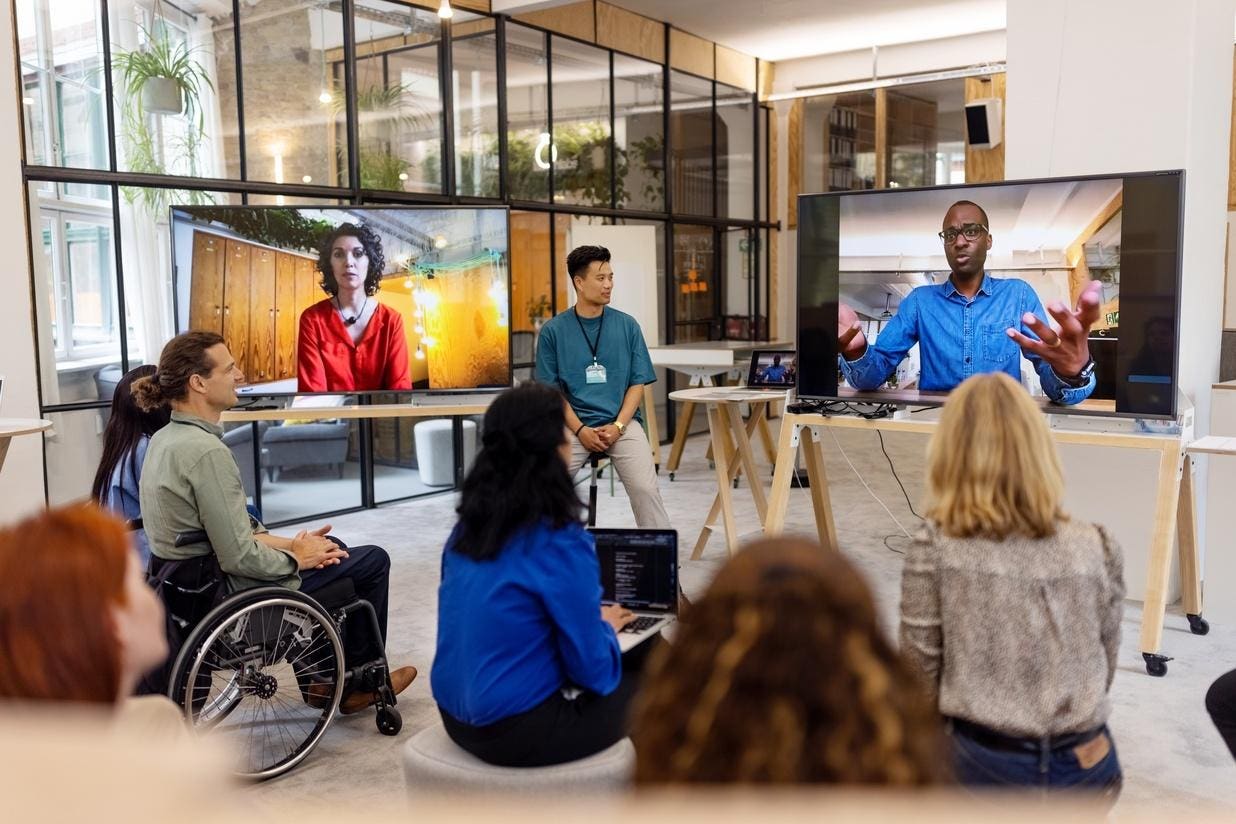
Hybrid work has transformed how professionals communicate, collaborate, and balance their personal and professional lives. While this model offers flexibility and freedom, it also introduces new challenges: blurred boundaries, increased digital fatigue, feelings of isolation, and rapid shifts in expectations. These complexities make emotional resilience not just helpful but essential for succeeding in a hybrid environment. Emotional resilience helps employees adapt to change, navigate uncertainty, and maintain strong performance even when the workday looks different every single week.
The New Emotional Demands of Hybrid Work
Hybrid work reshapes how people experience stress. Instead of one consistent environment, employees move between home offices, coworking spaces, and on-site meetings. Each environment comes with different expectations, noise levels, distractions, and communication patterns. The constant switching creates mental load, which can reduce focus and increase emotional strain.
There’s also the challenge of maintaining connection. When teams alternate between virtual and in-person interactions, communication becomes more fragmented. Misunderstandings happen more frequently, and small issues can feel bigger when you don’t see your teammates daily. Hybrid work requires a level of emotional flexibility that wasn’t expected in traditional office settings.
Emotional Resilience as a Core Career Skill
Emotional resilience is the ability to adapt during stress, recover from setbacks, and maintain a grounded mindset during uncertainty. In hybrid environments, this skill influences everything—from how employees manage change to how leaders communicate expectations and support their teams.
Resilient employees are better able to:
-
Shift between work environments without losing momentum
-
Stay focused when routines change
-
Handle the emotional impact of limited face-to-face interactions
-
Set healthy boundaries in flexible schedules
-
Process feedback constructively
These are not optional skills. They’re critical for staying engaged and productive when work structures are always evolving.
Maintaining Boundaries When Work Has No Walls
One of the biggest hybrid challenges is the collapse of boundaries. The workday can stretch into the evening, and home responsibilities can interrupt professional focus. Without emotional resilience, this “always-on” feeling leads to exhaustion and burnout.
Resilience helps professionals protect their energy by establishing routines that work for them. Examples include defining a shutdown ritual, using separate spaces for work and rest, or creating communication norms with managers and teammates. The emotional discipline to step away, rest, and restart with intention is a core part of staying healthy in a hybrid environment.
Strengthening Communication and Connection
Hybrid work makes communication more intentional, and resilience helps people navigate this shift with confidence. When teams meet less frequently in person, emotional cues are harder to read. A delayed message or short email can easily be misunderstood as frustration, disapproval, or conflict.
Resilient employees pause before reacting. They ask clarifying questions, seek context, and assume positive intent. This steady approach reduces tension and keeps collaboration smooth.
Leaders also benefit when they build emotional resilience. They’re better able to:
-
Offer support without burnout
-
Communicate expectations clearly
-
Stay patient when team members feel overwhelmed
-
Model calm, solution-focused behavior
Hybrid teams thrive when both leaders and employees approach challenges with emotional steadiness.
Rebuilding Confidence After Setbacks
Setbacks feel more personal in hybrid environments. Without hallway conversations or immediate reassurance from colleagues, employees may interpret small mistakes as major failures. Emotional resilience plays a powerful role here because it helps individuals separate assumptions from facts.
Resilient professionals understand that setbacks are part of the process, not a reflection of worth. They look for lessons, adjust their approach, and stay engaged instead of withdrawing. This ability to self-correct is essential in hybrid settings where independence is high and leaders may not always be physically present to provide guidance.
Navigating Rapid Workplace Change
Hybrid work is still evolving, and expectations will continue shifting as organizations find the right long-term model. Emotional resilience helps employees adapt quickly without feeling destabilized by every new policy or process. It reinforces confidence during change and encourages flexible thinking.
Professionals who approach change with curiosity instead of resistance tend to advance faster. Organizations notice individuals who can adjust while staying steady, supportive, and focused. Emotional resilience becomes a career advantage in environments where adaptability is rewarded.
Building Emotional Resilience Daily
Emotional resilience isn’t a trait people are born with—it’s a skill strengthened through consistent habits. In hybrid work structures, even small actions can make a significant difference. Practicing mindfulness, pausing before responding, documenting accomplishments, setting boundaries, and seeking support when needed all contribute to long-term resilience.
Strong social connections also matter. Hybrid work can be isolating, so actively nurturing professional relationships helps reinforce emotional stability. Whether through quick check-ins, virtual coffee chats, or team huddles, connection serves as an anchor when the work environment feels unpredictable.
The Future Belongs to Resilient Teams
Hybrid work isn’t a temporary adjustment; it’s a long-term shift that will continue to shape the future of business. Emotional resilience equips professionals to handle continuous change, protect their well-being, and stay productive without falling into burnout.
Organizations that invest in resilience—through training, supportive leadership, and intentional culture—will see higher engagement, stronger collaboration, and healthier teams. And individuals who build their resilience will experience more confidence, stability, and satisfaction in their careers.
Emotional resilience is no longer a soft skill. It’s a strategic advantage, especially in hybrid work environments where flexibility, balance, and mental strength define long-term success.


Community Mentorship Programs Help Strengthen Local Workforce and Social Impact

Low-Code Platforms are Changing How Businesses Build Internal Technology

Microlearning in Employee Training: A Practical Approach to Workplace Skill Development

Decision-Making Frameworks Improve Strategic Leadership and Organizational Clarity

Career Ladder Programs Strengthen Workforce Development and Employee Retention

Workplace Recognition Programs Improve Organizational Culture and Employee Engagement

Why Mental Endurance is Essential for Workplace Resilience

What Informational Interviews are and Why they Matter

How Emotional Intelligence Can Help You Manage Stress and Build Resilience

Interview with Dr. Kristy K. Taylor, WORxK Global News Magazine Founder

Sarah Herrlinger Talks AirPods Pro Hearing Aid

NetWork Your Way to Success: Top Tips for Maximizing Your Professional Network

Unlocking Human Potential: Kim Groshek’s Journey to Transforming Leadership and Stress Resilience

The Power of Belonging: Why Feeling Accepted Matters in the Workplace

Health-care stocks fall after Warren PBM bill, Brian Thompson shooting

Glenda Benevides: Creating Global Impact Through Music
-
 Resiliency7 months ago
How Emotional Intelligence Can Help You Manage Stress and Build Resilience
-
 Career Advice1 year ago
Interview with Dr. Kristy K. Taylor, WORxK Global News Magazine Founder
-
 Diversity and Inclusion (DEIA)1 year ago
Sarah Herrlinger Talks AirPods Pro Hearing Aid
-
 Career Advice1 year ago
NetWork Your Way to Success: Top Tips for Maximizing Your Professional Network
-
 Changemaker Interviews1 year ago
Unlocking Human Potential: Kim Groshek’s Journey to Transforming Leadership and Stress Resilience
-
 Diversity and Inclusion (DEIA)1 year ago
The Power of Belonging: Why Feeling Accepted Matters in the Workplace
-
 Global Trends and Politics1 year ago
Health-care stocks fall after Warren PBM bill, Brian Thompson shooting
-
 Changemaker Interviews12 months ago
Glenda Benevides: Creating Global Impact Through Music