
Diversity and Inclusion (DEIA)
Why High-Quality Data Is Key To A Disability-Confident Marketing Strategy

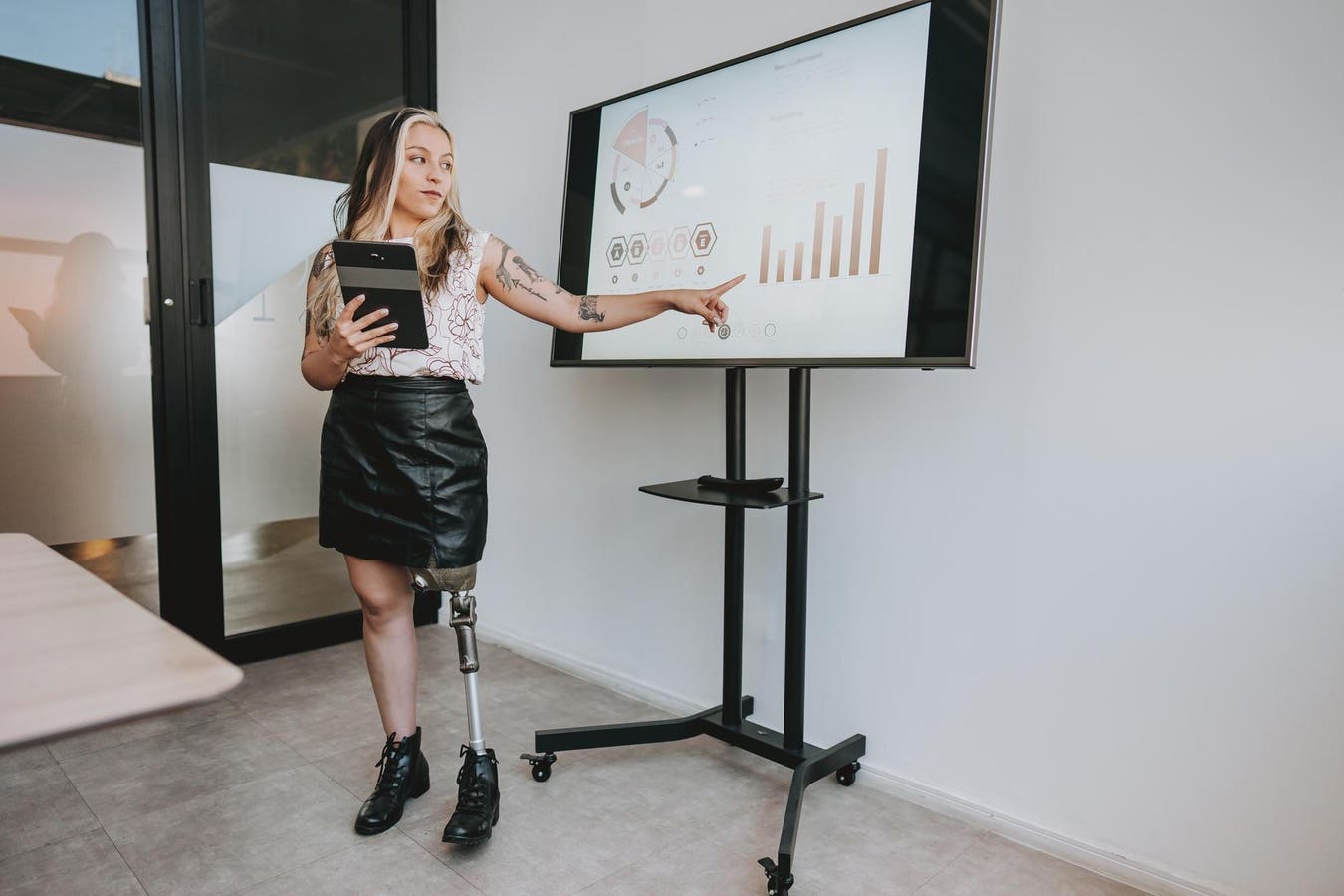
The marketing industry has a significant problem when it comes to representing people with disabilities in its creative output. This issue can be summarized in one word – fear. The fear of getting disability depiction wrong and facing a public backlash is so consuming that many Chief Marketing Officers (CMOs) choose to exclude disability representation entirely from advertising and marketing collateral. However, this fear is not only limiting the industry’s potential but also leaving a significant share of the global market untapped.
According to a 2021 Nielsen study, only 1% of prime-time TV ads feature somebody with a disability. This lack of representation is not only a missed opportunity but also a reflection of the industry’s failure to understand the spending potential of people with disabilities. The 2024 Return on Disability Group report estimates that people with disabilities comprise 15-20% of the global population, with a spending potential of $18 trillion. Furthermore, research from the Valuable 500 demonstrates that 54% of disabled consumers are more likely to purchase from companies that authentically represent disability.
To overcome the fear of disability representation, the industry needs to embrace good quality data and insights. The Valuable 500 has released its Authentic Representation Tool (ART), a deep dive questionnaire, maturity model, and scorecard for disability inclusion across creative teams and organizations. ART involves 60 detailed questions on important areas such as Accessible Experiences, Accurate Representation, and Authentic Narratives to help evaluate how deeply disability inclusion is embedded across an organization’s systems, practices, and people.
Maciej Stryjek, Head of Inclusive Representation and Head of Marketing at the Valuable 500, says that ART has been designed with marketing professionals in mind. “If you are a CMO or a creative director of an advertising agency, you only have a limited amount of time to properly get to grips with some of the jargon and legal complexity associated with disability inclusion,” says Stryjek. “We felt it was important to have something that can quickly show marketing professionals the basic lay of the land when it comes to their organization’s disability inclusion.”
In addition to self-reflection, brands need to evaluate their ads objectively and benchmark their inclusion efforts against their competitors. The SeeMe Index, an AI platform founded by former Google colleagues Asha Shivaji and Jason R. Klein, audits the authenticity and frequency with which brands represent diverse identities in their advertising. The technology measures six core dimensions—skin tone, age, gender expression, body size, sexual orientation, and disability. Klein says that benchmarking has to be granular, objective, and comparative to generate genuine insight.
As the industry moves forward, it will need to grapple with fresh frontiers and challenges in authentic disability portrayal, such as how to appropriately reflect neurodiversity and hidden disabilities. However, this is simply a natural continuation of an overall process that involves shaking off the disability fear factor and embracing those rich, original, and unique narratives that often sit just below the surface. By embracing disability representation and using data and insights to guide their efforts, brands can tap into the significant spending potential of people with disabilities and create more authentic and inclusive marketing campaigns.




Community Mentorship Programs Help Strengthen Local Workforce and Social Impact

Low-Code Platforms are Changing How Businesses Build Internal Technology

Microlearning in Employee Training: A Practical Approach to Workplace Skill Development

Decision-Making Frameworks Improve Strategic Leadership and Organizational Clarity

Career Ladder Programs Strengthen Workforce Development and Employee Retention

Workplace Recognition Programs Improve Organizational Culture and Employee Engagement

Why Mental Endurance is Essential for Workplace Resilience

What Informational Interviews are and Why they Matter

How Emotional Intelligence Can Help You Manage Stress and Build Resilience

Interview with Dr. Kristy K. Taylor, WORxK Global News Magazine Founder

Sarah Herrlinger Talks AirPods Pro Hearing Aid

NetWork Your Way to Success: Top Tips for Maximizing Your Professional Network

Unlocking Human Potential: Kim Groshek’s Journey to Transforming Leadership and Stress Resilience

The Power of Belonging: Why Feeling Accepted Matters in the Workplace

Health-care stocks fall after Warren PBM bill, Brian Thompson shooting

Glenda Benevides: Creating Global Impact Through Music
-
 Resiliency7 months ago
How Emotional Intelligence Can Help You Manage Stress and Build Resilience
-
 Career Advice1 year ago
Interview with Dr. Kristy K. Taylor, WORxK Global News Magazine Founder
-
 Diversity and Inclusion (DEIA)1 year ago
Sarah Herrlinger Talks AirPods Pro Hearing Aid
-
 Career Advice1 year ago
NetWork Your Way to Success: Top Tips for Maximizing Your Professional Network
-
 Changemaker Interviews1 year ago
Unlocking Human Potential: Kim Groshek’s Journey to Transforming Leadership and Stress Resilience
-
 Diversity and Inclusion (DEIA)1 year ago
The Power of Belonging: Why Feeling Accepted Matters in the Workplace
-
 Global Trends and Politics1 year ago
Health-care stocks fall after Warren PBM bill, Brian Thompson shooting
-
 Changemaker Interviews12 months ago
Glenda Benevides: Creating Global Impact Through Music