
Resiliency
Why Psychological Safety Is the Foundation of Resilient Teams

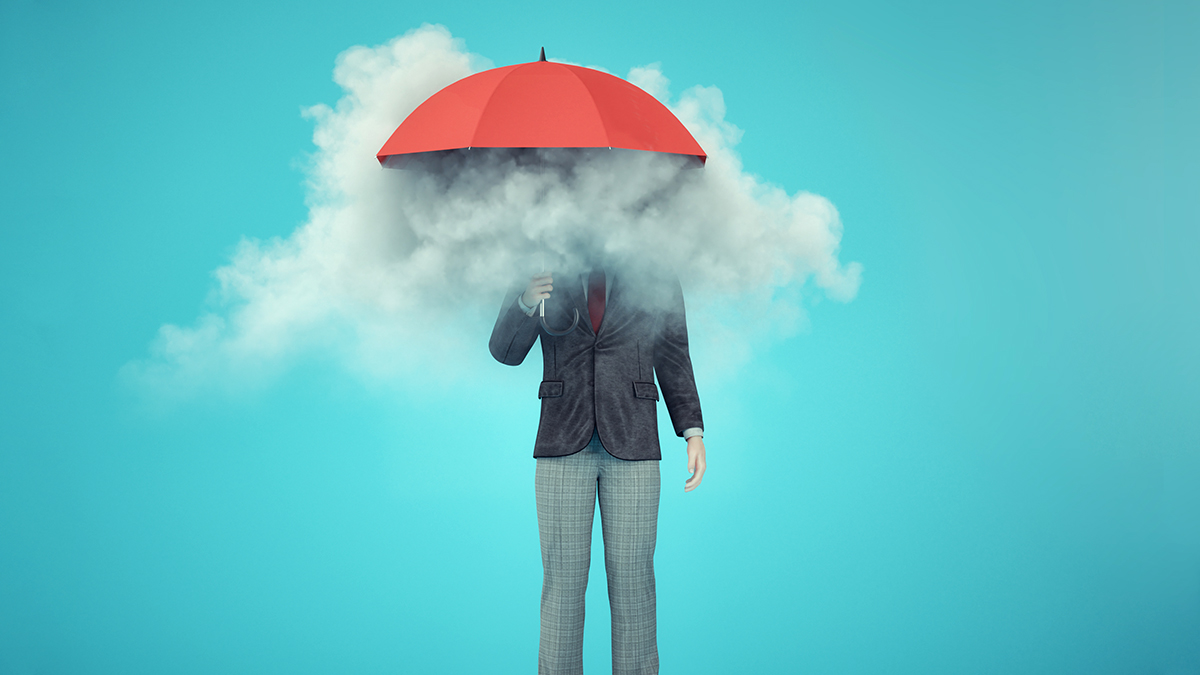
When a team feels safe to speak up, make mistakes, and share honest feedback, something powerful happens — innovation grows, collaboration deepens, and resilience strengthens. Psychological safety isn’t just a feel-good workplace concept. It’s the foundation of resilient teams that can adapt, recover, and thrive through uncertainty.
Psychological safety, a term popularized by Harvard professor Amy Edmondson, refers to the shared belief that a team is safe for interpersonal risk-taking. In a psychologically safe environment, people know they can express ideas, raise concerns, and admit errors without fear of embarrassment or punishment. It’s the trust that allows teams to face challenges head-on and bounce back from setbacks stronger than before.
The Connection Between Psychological Safety and Resilience
Resilience is about recovering quickly from difficulties, and teams can’t do that without honest communication. When employees are afraid to speak up, small issues grow into bigger ones. Missed feedback leads to repeated mistakes, and creativity shuts down because no one wants to take risks.
On the other hand, teams that feel safe to challenge ideas or voice concerns are better equipped to adapt to change. They process problems faster, learn collectively, and make stronger decisions because everyone’s perspective is on the table. Psychological safety becomes the invisible thread that keeps the team steady when everything else feels uncertain.
Research backs this up. Google’s Project Aristotle found that psychological safety was the number one factor in high-performing teams — even more critical than skill diversity or experience. When people trust that their input is valued, they bring their full selves to work, and that sense of inclusion creates resilience from the inside out.
How Fear Undermines Team Resilience
Fear-based environments can appear productive in the short term, but they come with hidden costs. When people fear being blamed or judged, they start to play it safe. They take fewer creative risks, stay quiet in meetings, and avoid conflict — all of which weaken the team’s ability to adapt and grow.
A lack of psychological safety leads to:
-
Poor communication: Team members filter information to avoid negative reactions.
-
Reduced innovation: Ideas are withheld to avoid criticism.
-
Burnout: Constant self-monitoring drains energy and engagement.
-
Low accountability: People deflect responsibility to protect themselves.
Without trust, teams survive but don’t thrive. Resilience isn’t built through perfection or control; it’s built through openness and shared problem-solving.
The Leadership Role in Creating Psychological Safety
Leaders play the biggest role in shaping psychological safety. Their actions set the tone for what’s acceptable and what isn’t. If leaders react defensively to feedback or punish mistakes, team members will stop taking risks altogether.
To cultivate psychological safety, leaders must model vulnerability. That means admitting when they don’t have all the answers, acknowledging their own mistakes, and showing appreciation when others speak up. These behaviors normalize imperfection and make it safe for others to follow suit.
Practical ways to lead with psychological safety include:
-
Invite input early. Ask questions like “What are we missing?” or “What’s your take on this approach?” to encourage diverse perspectives.
-
Respond with curiosity, not judgment. When someone raises a concern, ask for more detail before reacting.
-
Show appreciation for candor. Publicly thank those who offer honest feedback, even when it’s uncomfortable.
-
Normalize learning from mistakes. Replace blame with debriefs focused on lessons and improvements.
When leaders prioritize trust and respect over authority, the entire team becomes more resilient.
Building Everyday Habits That Strengthen Team Safety
Psychological safety isn’t a one-time initiative. It’s a daily practice built through consistent actions and communication. Teams can build it by intentionally reinforcing inclusion, trust, and mutual respect.
Start with team check-ins that go beyond tasks — ask how people are doing and what support they need. Create feedback loops where both leaders and employees can exchange constructive input. Establish clear communication norms, so everyone understands how to share updates, concerns, and ideas.
Even small changes like encouraging questions during meetings or celebrating risk-taking can make a big difference. The goal is to make openness routine, not rare.
Teams that practice these habits consistently can handle conflict better, recover faster from change, and sustain performance even under pressure. That’s resilience in action.
The Ripple Effect of a Psychologically Safe Culture
When psychological safety becomes part of a team’s DNA, it transforms how people show up at work. Collaboration improves, engagement increases, and turnover decreases because employees feel valued and supported.
Most importantly, it creates a ripple effect across the organization. Teams that operate with trust and empathy influence others to do the same, leading to a culture where resilience is collective — not just individual.
Psychological safety is the difference between teams that merely survive challenges and those that grow because of them. In today’s fast-changing world, resilient teams aren’t defined by how they avoid mistakes but by how they learn, adapt, and move forward together.
Empower people to speak up, create space for honest dialogue, and lead with empathy. That’s how you build not just strong teams — but resilient ones that can thrive through whatever comes next.


Community Mentorship Programs Help Strengthen Local Workforce and Social Impact

Low-Code Platforms are Changing How Businesses Build Internal Technology

Microlearning in Employee Training: A Practical Approach to Workplace Skill Development

Decision-Making Frameworks Improve Strategic Leadership and Organizational Clarity

Career Ladder Programs Strengthen Workforce Development and Employee Retention

Workplace Recognition Programs Improve Organizational Culture and Employee Engagement

Why Mental Endurance is Essential for Workplace Resilience

What Informational Interviews are and Why they Matter

How Emotional Intelligence Can Help You Manage Stress and Build Resilience

Interview with Dr. Kristy K. Taylor, WORxK Global News Magazine Founder

Sarah Herrlinger Talks AirPods Pro Hearing Aid

NetWork Your Way to Success: Top Tips for Maximizing Your Professional Network

Unlocking Human Potential: Kim Groshek’s Journey to Transforming Leadership and Stress Resilience

The Power of Belonging: Why Feeling Accepted Matters in the Workplace

Health-care stocks fall after Warren PBM bill, Brian Thompson shooting

Glenda Benevides: Creating Global Impact Through Music
-
 Resiliency7 months ago
How Emotional Intelligence Can Help You Manage Stress and Build Resilience
-
 Career Advice1 year ago
Interview with Dr. Kristy K. Taylor, WORxK Global News Magazine Founder
-
 Diversity and Inclusion (DEIA)1 year ago
Sarah Herrlinger Talks AirPods Pro Hearing Aid
-
 Career Advice1 year ago
NetWork Your Way to Success: Top Tips for Maximizing Your Professional Network
-
 Changemaker Interviews1 year ago
Unlocking Human Potential: Kim Groshek’s Journey to Transforming Leadership and Stress Resilience
-
 Diversity and Inclusion (DEIA)1 year ago
The Power of Belonging: Why Feeling Accepted Matters in the Workplace
-
 Global Trends and Politics1 year ago
Health-care stocks fall after Warren PBM bill, Brian Thompson shooting
-
 Changemaker Interviews12 months ago
Glenda Benevides: Creating Global Impact Through Music