
Innovation and Technology
Will AI Replace Your Job?

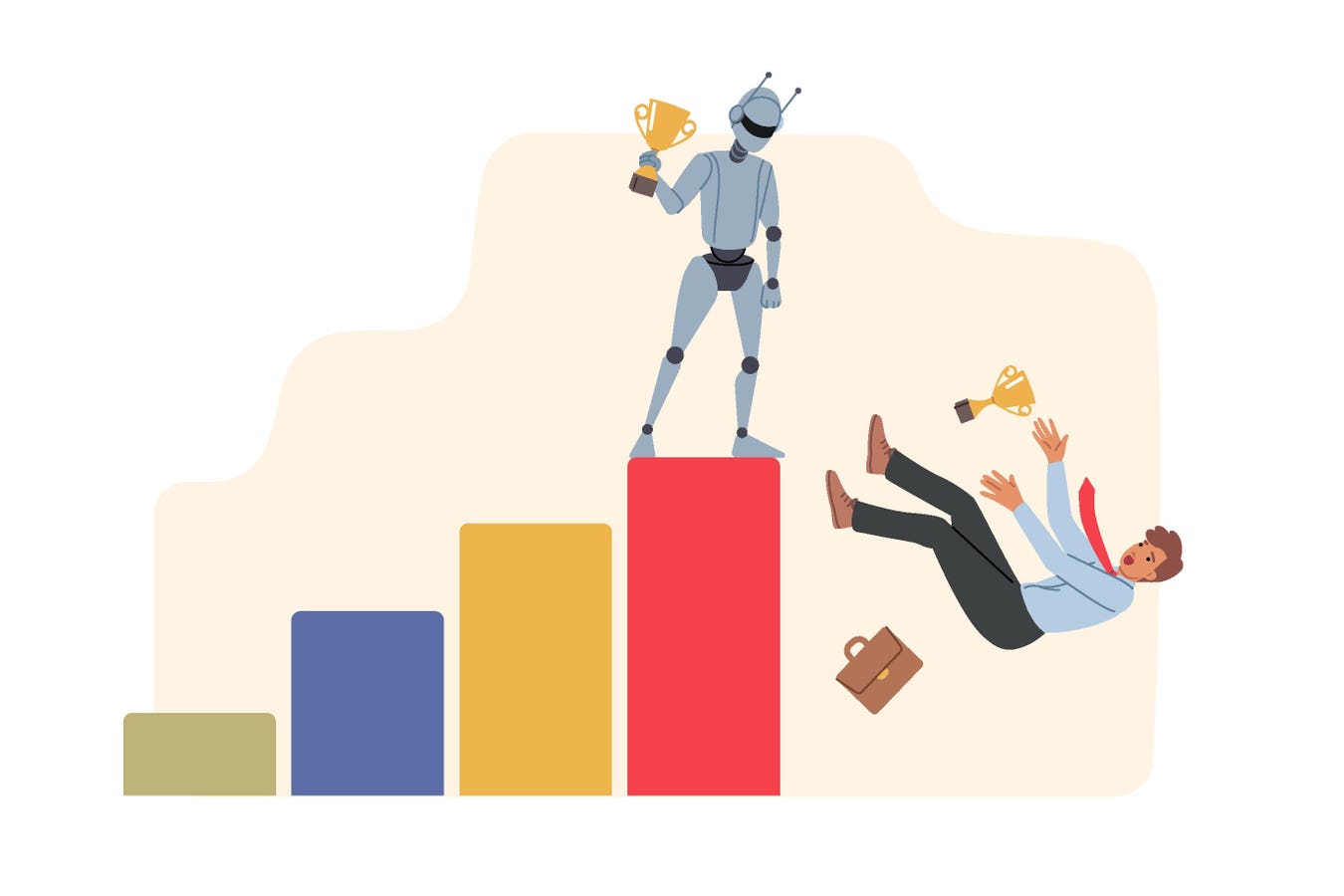
Anthropic CEO Dario Amodei issued a warning last month that landed like a thunderclap in Silicon Valley and beyond. In what sounded almost like an apocalyptic future for workers around the globe, the 42-year billionaire predicted in a CNN interview with Anderson Cooper that within five years, AI could automate away up to 50% of all entry-level white-collar jobs.
It was a jarring prediction, even for an industry accustomed to provocative soundbites, especially coming from the head of the AI company behind Claude. The quote quickly ricocheted across news outlets, igniting headlines and debates about the economic future of billions. CNN, notably, cast the comments in a more skeptical light, asking whether dire forecasts about AI are becoming self-fulfilling. Others, like Axios, highlighted the fear among young professionals who are just beginning to understand how automation might shadow their careers.
The Reality of AI Automation
Experts across telecom, software and enterprise architecture suggest a more nuanced reality. Yes, AI is changing work — faster than ever before. But this isn’t just a story of job loss. It’s also about reinvention, overcorrection and the uniquely human skills machines still struggle to replicate.
An Unprecedented Pace Of Change
“Any industrial or technology revolution results in job loss. This has happened many times over,” said Andy Thurai, Field CTO at Cisco, in an interview. “What’s different this time is the speed. The AI hype cycle is moving much faster than anything we’ve seen before.”
Dima Gutzeit, founder and CEO of LeapXpert, echoed this sentiment. “We’re entering a high-speed workforce transformation,” he told me. “What’s different this time? The pace. Automation used to take decades — now it’s happening in quarters.”
Counting The Cost
Klarna made headlines in 2024 when it replaced 700 customer support agents with an AI chatbot. But it quietly brought back some of those roles in early 2025, realizing customers preferred human support to AI. Why? Because the bots weren’t flawless, as industry experts continue to warn.
Many companies are trimming senior teams and hoping AI-enhanced mid-level hires can close the gap. But just like in Klarna’s case, it’s not always working. “The results have been mixed so far,” said Thurai. “The pendulum always swings wide. Companies get seduced by cost savings and forget about institutional memory and strategic insight.”
The New Normal: A Hybrid Approach
Nowhere is this more evident than in telecom. Arnd Baranowski, founder and CEO of Oculeus, explained that while AI has become essential to fraud detection, it still needs human judgment.
“AI allows telecom providers to analyze massive volumes of traffic well beyond human capacity,” Baranowski said. “But when fraudsters adopt unpredictable new methods, only humans can anticipate the shift. That requires imagination — and that’s something AI lacks.”
Between Alarm And Opportunity
Thurai believes many of the more dramatic claims from AI vendors serve a strategic purpose. “Obviously, the AI providers — Anthropic, OpenAI, consultants — have to say extreme things to gain attention and instill FOMO,” he said. “But there are people like IBM’s CEO with a more realistic picture of the future.”
Yes, AI will cause job losses. But it will also create roles — including data scientists, prompt engineers, AI governance experts — that didn’t exist five years ago.
So Will AI Take Your Job?
Maybe not. But the person who knows how to use it might. The big message from the experts is for global workers to move beyond the realm of FOMO into really understanding how to leverage AI tools for improved efficiency.
As Avanes put it: “AI isn’t here to optimize systems. It’s here to free people to focus on what matters. The question is whether we’ll let it.”
For Gutzeit, this an urgent call to reskill the global workforce. “The traditional career ladder is being cut off at the bottom. If we don’t reskill aggressively, we risk locking out an entire generation from meaningful career starts,” he said.
Conclusion
The impact of AI on the job market is a complex issue, and while there will be job losses, there will also be new opportunities and roles created. It is essential for workers to develop skills that complement AI and for organizations to adopt a hybrid approach that combines the benefits of AI with human judgment and expertise.
FAQs
Q: Will AI replace all jobs?
A: No, while AI will automate some jobs, it will also create new roles and opportunities.
Q: How can workers prepare for the changing job market?
A: Workers should focus on developing skills that complement AI, such as critical thinking, creativity, and problem-solving.
Q: What is the biggest challenge for organizations adopting AI?
A: The biggest challenge is finding the right balance between automation and human judgment, and ensuring that AI is used to augment human capabilities, not replace them.
Q: Will AI lead to significant job losses?
A: Yes, AI will lead to job losses, but it will also create new opportunities and roles, and it is essential for workers and organizations to adapt to the changing job market.




Community Mentorship Programs Help Strengthen Local Workforce and Social Impact

Low-Code Platforms are Changing How Businesses Build Internal Technology

Microlearning in Employee Training: A Practical Approach to Workplace Skill Development

Decision-Making Frameworks Improve Strategic Leadership and Organizational Clarity

Career Ladder Programs Strengthen Workforce Development and Employee Retention

Workplace Recognition Programs Improve Organizational Culture and Employee Engagement

Why Mental Endurance is Essential for Workplace Resilience

What Informational Interviews are and Why they Matter

How Emotional Intelligence Can Help You Manage Stress and Build Resilience

Interview with Dr. Kristy K. Taylor, WORxK Global News Magazine Founder

Sarah Herrlinger Talks AirPods Pro Hearing Aid

NetWork Your Way to Success: Top Tips for Maximizing Your Professional Network

Unlocking Human Potential: Kim Groshek’s Journey to Transforming Leadership and Stress Resilience

The Power of Belonging: Why Feeling Accepted Matters in the Workplace

Health-care stocks fall after Warren PBM bill, Brian Thompson shooting

Glenda Benevides: Creating Global Impact Through Music
-
 Resiliency7 months ago
How Emotional Intelligence Can Help You Manage Stress and Build Resilience
-
 Career Advice1 year ago
Interview with Dr. Kristy K. Taylor, WORxK Global News Magazine Founder
-
 Diversity and Inclusion (DEIA)1 year ago
Sarah Herrlinger Talks AirPods Pro Hearing Aid
-
 Career Advice1 year ago
NetWork Your Way to Success: Top Tips for Maximizing Your Professional Network
-
 Changemaker Interviews1 year ago
Unlocking Human Potential: Kim Groshek’s Journey to Transforming Leadership and Stress Resilience
-
 Diversity and Inclusion (DEIA)1 year ago
The Power of Belonging: Why Feeling Accepted Matters in the Workplace
-
 Global Trends and Politics1 year ago
Health-care stocks fall after Warren PBM bill, Brian Thompson shooting
-
 Changemaker Interviews12 months ago
Glenda Benevides: Creating Global Impact Through Music