
Diversity and Inclusion (DEIA)
Women Say Gender Skews LinkedIn Results. LinkedIn Disagrees. Why It Matters

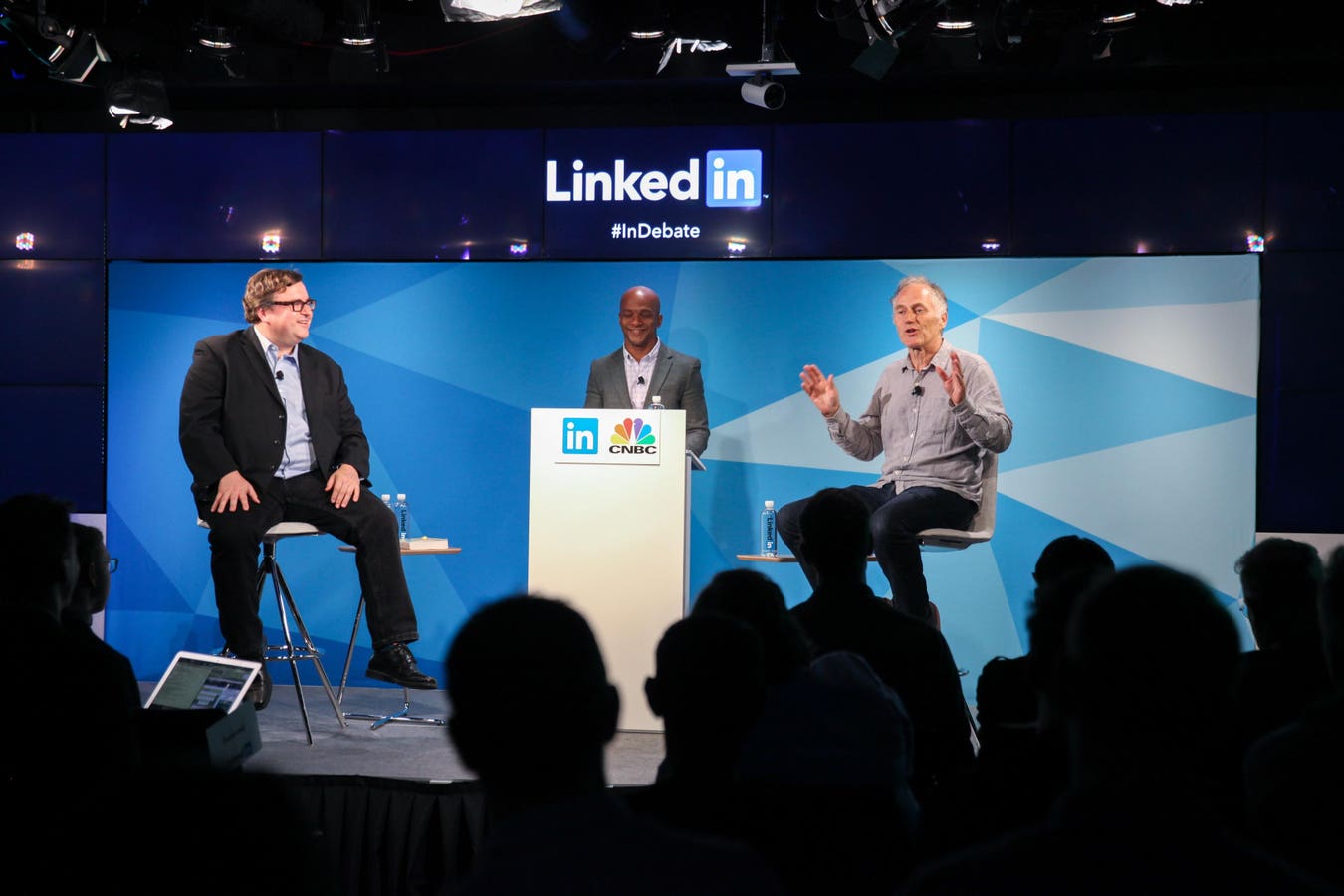
A recent experiment on LinkedIn has sparked a heated debate about bias and fairness on the platform. Many women changed their profile gender from “female” to “male” and reported a significant increase in engagement on their posts. This led to accusations that LinkedIn’s algorithm was suppressing content from female users and favoring male users instead.
The issue gained widespread attention, with many women sharing their own experiences and results from the experiment. LinkedIn responded to the allegations with a blog post from Sakshi Jain, stating that the platform’s algorithm does not use demographic information such as age, race, or gender to determine the visibility of content. However, Jain acknowledged that the algorithm considers hundreds of other signals, including a user’s position, industry, network, and activity, to determine what content appears in a user’s feed.
Understanding the Issue of Bias
The controversy highlights the complex issue of bias in online platforms. While LinkedIn’s algorithm may not intentionally use demographic information to determine content visibility, it is possible that the platform’s design and the data it uses to make decisions may still perpetuate existing biases. This can result in uneven outcomes for different groups of users, even if it is not intentional.
One commenter pointed out that bias can arise from behavioral patterns, engagement loops, network makeup, and posting times, all of which can create uneven outcomes across groups without the algorithm explicitly using demographic data. This perspective suggests that bias can be a result of the system’s design and the data it uses, rather than just intentional discrimination.
Lessons for Brands
The LinkedIn controversy offers valuable lessons for brands and online platforms. Firstly, it highlights the importance of recognizing that identity can impact outcomes, even if it is not intentional. Brands must acknowledge that their customers’ experiences and successes can be influenced by factors such as gender, race, income, disability, and geographic location.
Secondly, brands must listen to their customers’ concerns and take them seriously. Dismissing customers’ experiences and observations can lead to resentment and disengagement. Instead, brands should investigate deeply and take responsibility for creating conditions that allow all customers to succeed, regardless of their identity.
Creating a Fair and Inclusive Environment
Brands can create a fair and inclusive environment by evaluating their data and systems to understand the full picture of what influences customer success. This includes recognizing the impact of privilege and bias on customer outcomes and taking steps to address these issues. By doing so, brands can build trust with their customers and create a loyal customer base.
Ultimately, the LinkedIn controversy serves as a reminder that online platforms have a responsibility to create a fair and inclusive environment for all users. By acknowledging the complexities of bias and taking steps to address them, brands can build trust and loyalty with their customers and create a more equitable online space.




Community Mentorship Programs Help Strengthen Local Workforce and Social Impact

Low-Code Platforms are Changing How Businesses Build Internal Technology

Microlearning in Employee Training: A Practical Approach to Workplace Skill Development

Decision-Making Frameworks Improve Strategic Leadership and Organizational Clarity

Career Ladder Programs Strengthen Workforce Development and Employee Retention

Workplace Recognition Programs Improve Organizational Culture and Employee Engagement

Why Mental Endurance is Essential for Workplace Resilience

What Informational Interviews are and Why they Matter

How Emotional Intelligence Can Help You Manage Stress and Build Resilience

Interview with Dr. Kristy K. Taylor, WORxK Global News Magazine Founder

Sarah Herrlinger Talks AirPods Pro Hearing Aid

NetWork Your Way to Success: Top Tips for Maximizing Your Professional Network

Unlocking Human Potential: Kim Groshek’s Journey to Transforming Leadership and Stress Resilience

The Power of Belonging: Why Feeling Accepted Matters in the Workplace

Health-care stocks fall after Warren PBM bill, Brian Thompson shooting

Glenda Benevides: Creating Global Impact Through Music
-
 Resiliency7 months ago
How Emotional Intelligence Can Help You Manage Stress and Build Resilience
-
 Career Advice1 year ago
Interview with Dr. Kristy K. Taylor, WORxK Global News Magazine Founder
-
 Diversity and Inclusion (DEIA)1 year ago
Sarah Herrlinger Talks AirPods Pro Hearing Aid
-
 Career Advice1 year ago
NetWork Your Way to Success: Top Tips for Maximizing Your Professional Network
-
 Changemaker Interviews1 year ago
Unlocking Human Potential: Kim Groshek’s Journey to Transforming Leadership and Stress Resilience
-
 Diversity and Inclusion (DEIA)1 year ago
The Power of Belonging: Why Feeling Accepted Matters in the Workplace
-
 Global Trends and Politics1 year ago
Health-care stocks fall after Warren PBM bill, Brian Thompson shooting
-
 Changemaker Interviews12 months ago
Glenda Benevides: Creating Global Impact Through Music