
Organizational Culture
Women’s Work is Not Always Better From Home

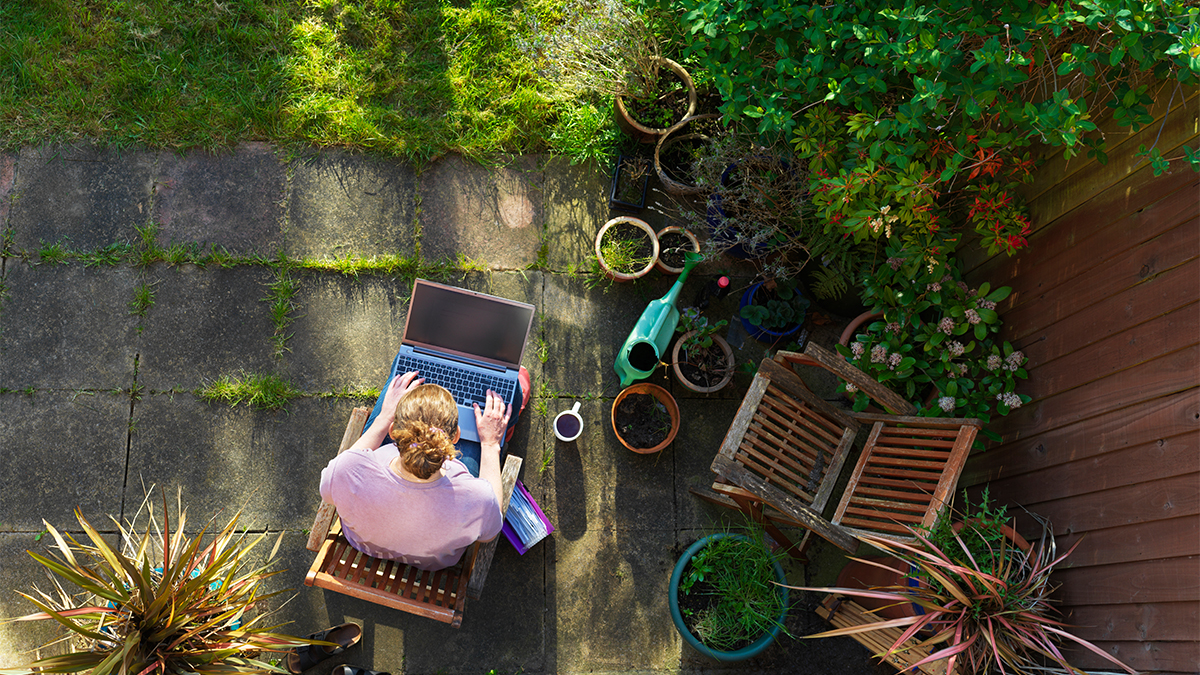
Why WFH Isn’t Necessarily Good for Women
The Pressure to be Always Available
Working from home (WFH) is often touted as a solution to the work-life balance issue. However, for women, WFH can be a double-edged sword. With the flexibility to work from anywhere, women may feel an increased pressure to be always available, leading to the blurring of boundaries between work and personal life. This can result in the erosion of personal space and time, making it difficult to disconnect from work and recharge.
The Expectation of Emotional Labor
In the traditional workforce, women are often expected to take on emotional labor, which includes managing the emotions and needs of colleagues, clients, and family members. WFH can amplify this expectation, as women may feel responsible for managing family demands, household chores, and work tasks simultaneously. This can lead to burnout, stress, and anxiety.
The Lack of Separation from Work and Personal Life
WFH can also blur the lines between work and personal life, making it challenging for women to disconnect from work-related tasks. This can lead to the constant feeling of being “on the clock,” even when not officially working. This can negatively impact mental and physical health, relationships, and overall well-being.
The Implications for Women’s Careers
The Risk of Diminished Career Advancement
WFH can also impact women’s career advancement opportunities. With the absence of face-to-face interactions, women may struggle to build professional networks, establish themselves as leaders, and make connections that can lead to promotions and new opportunities.
The Impact on Women’s Representation in the Workplace
The shift to WFH can also exacerbate existing issues around women’s representation in the workplace. With reduced in-person interactions, women may be less likely to be included in important meetings, discussions, and decision-making processes, further solidifying the gender gap.
Conclusion
While WFH can offer flexibility and convenience, it’s essential to acknowledge the potential drawbacks, particularly for women. As we move forward, it’s crucial to prioritize creating a work environment that supports women’s well-being, promotes work-life balance, and fosters equal opportunities for career advancement.
FAQs
Q: How can we address the pressure to be always available while working from home?
A: Establish clear boundaries, prioritize self-care, and communicate your needs with your employer and family members.
Q: How can we prevent the expectation of emotional labor?
A: Set clear expectations with colleagues and family members, prioritize self-care, and recognize the importance of emotional labor in both personal and professional spheres.
Q: How can we maintain a healthy work-life balance while working from home?
A: Create a dedicated workspace, set regular working hours, and prioritize self-care, exercise, and personal activities.




Community Mentorship Programs Help Strengthen Local Workforce and Social Impact

Low-Code Platforms are Changing How Businesses Build Internal Technology

Microlearning in Employee Training: A Practical Approach to Workplace Skill Development

Decision-Making Frameworks Improve Strategic Leadership and Organizational Clarity

Career Ladder Programs Strengthen Workforce Development and Employee Retention

Workplace Recognition Programs Improve Organizational Culture and Employee Engagement

Why Mental Endurance is Essential for Workplace Resilience

What Informational Interviews are and Why they Matter

How Emotional Intelligence Can Help You Manage Stress and Build Resilience

Interview with Dr. Kristy K. Taylor, WORxK Global News Magazine Founder

Sarah Herrlinger Talks AirPods Pro Hearing Aid

NetWork Your Way to Success: Top Tips for Maximizing Your Professional Network

Unlocking Human Potential: Kim Groshek’s Journey to Transforming Leadership and Stress Resilience

The Power of Belonging: Why Feeling Accepted Matters in the Workplace

Health-care stocks fall after Warren PBM bill, Brian Thompson shooting

Glenda Benevides: Creating Global Impact Through Music
-
 Resiliency7 months ago
How Emotional Intelligence Can Help You Manage Stress and Build Resilience
-
 Career Advice1 year ago
Interview with Dr. Kristy K. Taylor, WORxK Global News Magazine Founder
-
 Diversity and Inclusion (DEIA)1 year ago
Sarah Herrlinger Talks AirPods Pro Hearing Aid
-
 Career Advice1 year ago
NetWork Your Way to Success: Top Tips for Maximizing Your Professional Network
-
 Changemaker Interviews1 year ago
Unlocking Human Potential: Kim Groshek’s Journey to Transforming Leadership and Stress Resilience
-
 Diversity and Inclusion (DEIA)1 year ago
The Power of Belonging: Why Feeling Accepted Matters in the Workplace
-
 Global Trends and Politics1 year ago
Health-care stocks fall after Warren PBM bill, Brian Thompson shooting
-
 Changemaker Interviews12 months ago
Glenda Benevides: Creating Global Impact Through Music