
Organizational Culture
Workplace Conflict Culture: Why Constructive Disagreement Drives Performance

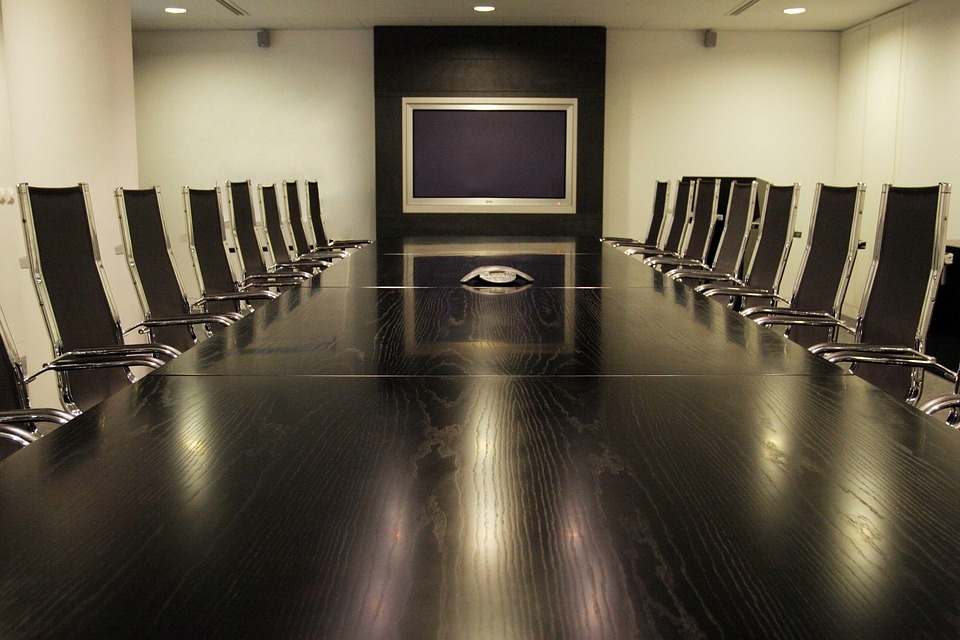
Organizational performance is currently being hampered by a pervasive but silent cultural phenomenon known as artificial harmony. This occurs when team members prioritize the appearance of politeness and the avoidance of interpersonal tension over the honest exchange of ideas. While a lack of conflict may seem to indicate a healthy work environment, it often masks deep-seated inefficiencies and unresolved strategic flaws. Organizations are now shifting their cultural focus toward the normalization of conflict, treating disagreement not as a sign of dysfunction but as a critical tool for operational excellence.
The Hidden Costs of Artificial Harmony
Artificial harmony creates a barrier to effective problem solving. In environments where dissent is discouraged, either through subtle social cues or direct leadership pressure, the “best” ideas rarely surface. Instead, the team settles for the most palatable or least controversial options. This leads to a degradation of decision quality, as critical vulnerabilities in a plan are left unexamined to avoid offending the person who proposed them.
The impact of this culture is felt most acutely during the implementation phase of a project. When employees do not feel safe to voice their concerns during the planning stage, they often withhold their full commitment during execution. This “passive resistance” can slow down timelines and lead to a lack of accountability. By avoiding a brief moment of discomfort in a meeting, the organization trades clarity for long-term friction in its daily operations.
The Mechanics of Productive Conflict
Constructive disagreement is the process of challenging ideas, data, and assumptions without attacking the individual behind them. For this to become a cultural standard, the focus of every meeting must remain on the “Common Objective” rather than personal validation. This requires a high degree of emotional maturity from both leadership and staff.
To move away from artificial harmony, teams are adopting the concept of “Task Conflict” versus “Relationship Conflict.” Task conflict involves debating the specifics of a project, the allocation of resources, or the validity of a strategy. Relationship conflict involves personal grievances and ego-driven arguments. A high-performance culture encourages the former while strictly mitigating the latter.
Comparison of Communication Cultures
The following table distinguishes the characteristics of a culture of harmony from one of constructive disagreement.
| Feature | Artificial Harmony | Constructive Disagreement |
| Meeting Atmosphere | Polished, quiet, and agreeable. | Energetic, challenging, and transparent. |
| Decision Making | Based on consensus or seniority. | Based on the most robust evidence. |
| Feedback Loop | Delayed, private, or avoided. | Immediate, public, and direct. |
| Trust Level | Surface-level; fragile. | Deep; built on honesty and respect. |
| Problem Solving | Symptoms are treated to maintain peace. | Root causes are addressed via debate. |
Implementation: The ‘Disagree and Commit’ Protocol
A hallmark of a mature organizational culture is the “Disagree and Commit” protocol. This framework allows for vigorous, even heated, debate during the decision-making process. Every team member is expected to provide their honest perspective and highlight potential risks. However, once the leader or the group makes a final decision, every member must fully commit to the outcome.
This protocol ensures that everyone is heard, which satisfies the need for psychological safety, while also maintaining the speed and unity required for execution. It eliminates the “hallway conversation” where employees complain about a decision after the fact. In a culture of constructive disagreement, the time for dissent is in the room, not behind closed doors.
Practical Tactics for Normalizing Disagreement
Leadership plays a central role in moving a culture away from artificial harmony. The behavior of the most senior person in a meeting sets the standard for the entire group. Practical steps include:
-
Mining for Conflict: If a meeting is too quiet, leaders should actively seek out dissenting opinions by asking, “What is the biggest flaw in this plan that we are not talking about?”
-
The Five-Minute Dissent: Dedicate the first five minutes of a strategy session to identifying reasons why a project might fail. This makes disagreement a formal part of the agenda.
-
Separating Ego from Idea: Use visual aids like whiteboards to “externalize” an idea. By looking at a diagram on a wall rather than at a person, it becomes easier for the team to critique the logic without feeling as if they are critiquing the individual.
-
Rewarding Honest Dissent: When an employee identifies a critical risk that leads to a change in direction, that action should be publicly acknowledged as a contribution to the company’s success.
Strengthening the Organizational Foundation
Normalizing conflict is not about creating an aggressive or hostile environment. It is about building a foundation of radical honesty where the pursuit of the correct answer is more important than the pursuit of being right. This cultural shift increases the “organizational IQ” by tapping into the full intelligence of the workforce.
When employees know that their honest input is valued, their engagement increases. They no longer feel like passive observers of a process; they become active stakeholders in the result. By embracing the tension that comes with diverse perspectives, organizations are building a more resilient, innovative, and efficient culture that is prepared to handle the complexities of the modern marketplace.


Community Mentorship Programs Help Strengthen Local Workforce and Social Impact

Low-Code Platforms are Changing How Businesses Build Internal Technology

Microlearning in Employee Training: A Practical Approach to Workplace Skill Development

Decision-Making Frameworks Improve Strategic Leadership and Organizational Clarity

Career Ladder Programs Strengthen Workforce Development and Employee Retention

Workplace Recognition Programs Improve Organizational Culture and Employee Engagement

Why Mental Endurance is Essential for Workplace Resilience

What Informational Interviews are and Why they Matter

How Emotional Intelligence Can Help You Manage Stress and Build Resilience

Interview with Dr. Kristy K. Taylor, WORxK Global News Magazine Founder

Sarah Herrlinger Talks AirPods Pro Hearing Aid

NetWork Your Way to Success: Top Tips for Maximizing Your Professional Network

Unlocking Human Potential: Kim Groshek’s Journey to Transforming Leadership and Stress Resilience

The Power of Belonging: Why Feeling Accepted Matters in the Workplace

Health-care stocks fall after Warren PBM bill, Brian Thompson shooting

Glenda Benevides: Creating Global Impact Through Music
-
 Resiliency7 months ago
How Emotional Intelligence Can Help You Manage Stress and Build Resilience
-
 Career Advice1 year ago
Interview with Dr. Kristy K. Taylor, WORxK Global News Magazine Founder
-
 Diversity and Inclusion (DEIA)1 year ago
Sarah Herrlinger Talks AirPods Pro Hearing Aid
-
 Career Advice1 year ago
NetWork Your Way to Success: Top Tips for Maximizing Your Professional Network
-
 Changemaker Interviews1 year ago
Unlocking Human Potential: Kim Groshek’s Journey to Transforming Leadership and Stress Resilience
-
 Diversity and Inclusion (DEIA)1 year ago
The Power of Belonging: Why Feeling Accepted Matters in the Workplace
-
 Global Trends and Politics1 year ago
Health-care stocks fall after Warren PBM bill, Brian Thompson shooting
-
 Changemaker Interviews12 months ago
Glenda Benevides: Creating Global Impact Through Music