
Diversity and Inclusion (DEIA)
Do Boycotts Work? As Target’s Traffic Declines, Tesla and Others See Consumer Shifts

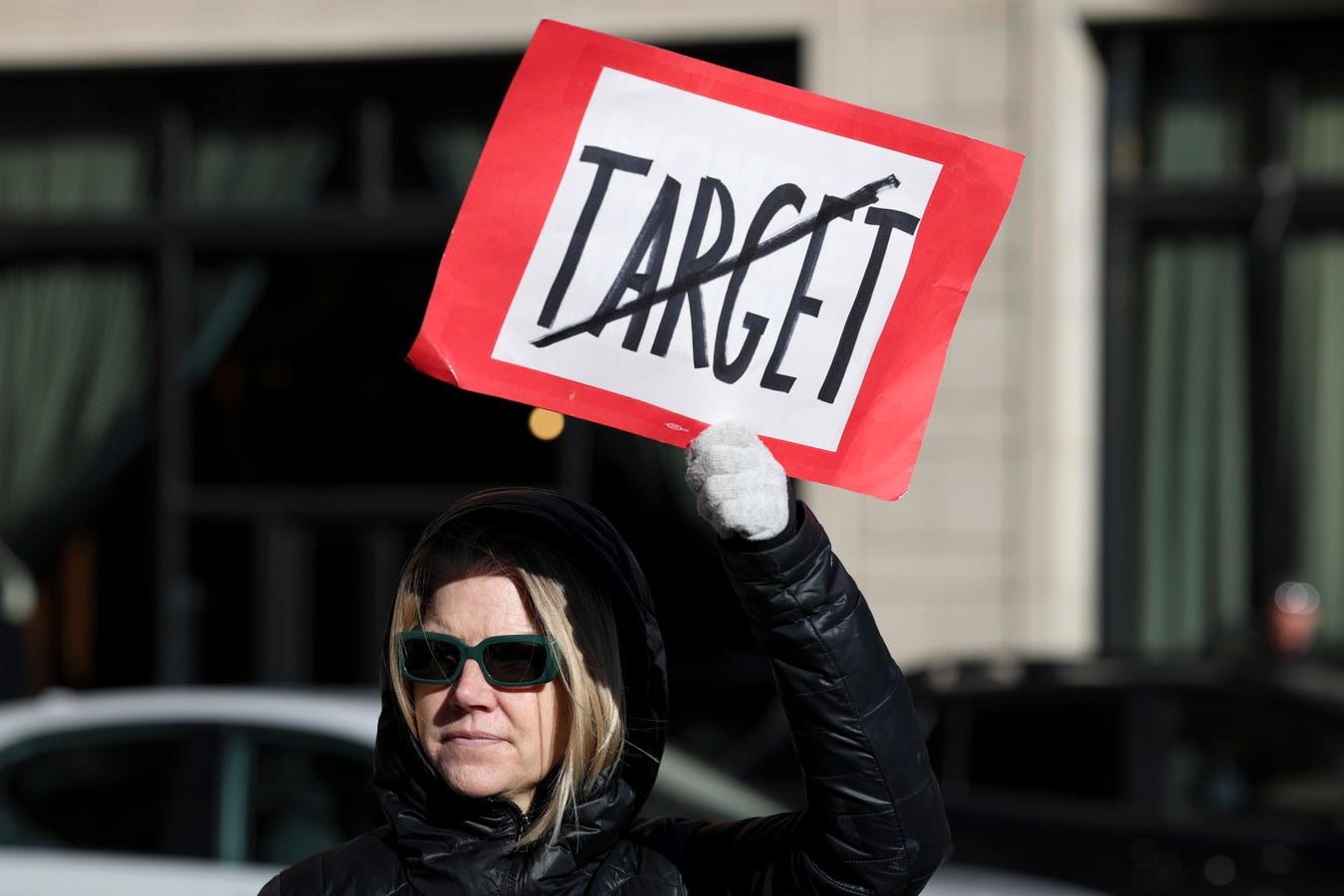
Bevölgy
There is strength in numbers.
As some of America’s biggest and most recognizable companies, CEOs, and boards of directors continue to speak out for and against certain social and geopolitical issues, particularly DEI, consumers have begun to draw their own conclusions about how these actions will affect them and their families.
The result is a call for "economic boycotts" or "fasts" as changes in consumer behavior are designed to hit companies where it counts: the bottom line.
While most of the numbers are still coming in, some of the data is beginning to provide a sneak peek at trends—and get us a little closer to being able to answer the question: Do boycotts still work in 2025?
Target And Tesla Are At The Center
The two most visible boycotts are aimed at Target and Tesla, but the reasons vary.
Target, one of America’s largest retailers with over 1,950 stores, has been omnipresent in the news recently for its January decision to change its DEI policy and practices around both supplier diversity, which they renamed "supplier engagement," and for its decision to "sunset" (the latest corporate lingo for shut down) its Racial Equity Action and Change initiatives. Both of these shifts signaled it would be changing its investment and priority in diversity efforts, which the company has been vocal about in the past, particularly around black-owned businesses, where it committed to $2 billion in spend.
Soon thereafter, a movement began growing on social media, calling for an economic blackout day on Feb. 28 against Target, alongside other retailers who made similar DEI changes. On that day, Target’s website traffic was down 9% compared with the same period last year.
In the background, Pastor Jamal Bryant launched TargetFast.org, calling on 100,000 conscientious citizens to fast from spending any money at Target for the 40 days of Lent, beginning Wednesday, March 5. He’s also asking individuals to sell any Target stock they may own.
From there, LatinoFreeze.com came to light, bringing a similar message to their cultural community. According to data from Placer.ai, for the week the boycott started, foot traffic fell 6.8% year over year at Target stores.
Beyond consumers, the family of one of Target’s cofounders has become vocal, telling the Los Angeles Times they’re alarmed by the recent decision, saying "It is not ‘illegal’ for a company to create a business model based on what it believes to be important ethical and business standards." And online, in a Target subreddit which has been around since 2010, employees are expressing their frustration too. (It should be noted that the group isn’t affiliated with or endorsed by the company.)
The markets are taking notice. Target’s stock price (NYSE: TGT) is down 24%—from 137.40 on Jan. 24, the day Target cut its programs—to 104.70 on March 15. Within that time frame, the stock is down 10% from when the 40-day kickoff began on March 5, accelerating an ongoing downward trend in its stock price since late 2024. To top it off, The City of Riviera Beach Police Pension Fund filed a class-action lawsuit against Target, its CEO, and board members, claiming they misled investors about the financial risks of Target’s DEI and Environmental, Social, and Governance initiatives. The plaintiffs are alleging that Target downplayed the risks of consumer backlash and boycotts stemming from the changes.
Tesla Is Facing Similar Outcomes
At the same time, Tesla is facing similar outcomes, but for a different reason.
For Tesla, its chief executive’s relationship and time commitment to the Department of Government Efficiency has been seen as a political stance well beyond his lane as the world’s richest man and CEO of multiple entities, from SpaceX and Tesla to Starlink and X.
Tesla’s share price (NAS: TSLA) is down 40% since December, with more than $500 billion being wiped off the company’s value. Beyond just the United States, Musk’s efforts have triggered a global reverberation, as sales across Europe have slumped for the automaker.
On X, users have been less engaged in recent months, while President Trump’s trade war seems to have hit a nerve with the Canadian province of Ontario, which will be "ripping up" its Canadian $100 million (U.S. $68 million) contract with Starlink.
For Tesla specifically, over 350 protesters convened upon a Tesla showroom in Manhattan as part of the nationwide "Tesla Takedown" protest against billionaire Musk.
But They Are Not Alone
According to the People’s Union USA, "whose mission is organizing to take back control of our economy, government, and future," there are more boycotts on the way, or already in progress:
- Amazon: March 7 to 14
- Nestlé: March 21 to 28
- Walmart: April 7 to 13
For now, at least in the short term, it seems that these boycotts are having an effect, but the question is how long it will last. A look into the crystal ball tells us people will continue to vote with their feet in stores and their fingers online—as well as their collective time invested in any particular brand.
Conclusion
As the data continues to roll in, it’s clear that boycotts are having an impact on the companies involved. But the true test will be in the long term: will consumers continue to turn to new outlets and build new brand relationships for their everyday items and anchor purchases? Only time will tell.
FAQs
- What is the purpose of the boycotts?
The boycotts are aimed at companies that have made changes to their DEI policies and practices, and are seen as having a negative impact on certain communities. - Which companies are being boycotted?
Target and Tesla are the two main companies being boycotted, but there are also boycotts planned for Amazon, Nestlé, and Walmart. - How long will the boycotts last?
The boycotts are planned to last for a certain period of time, such as 40 days, but it’s unclear if they will continue beyond that. - What is the impact of the boycotts on the companies?
The boycotts are having an impact on the companies, with Target’s stock price down 24% and Tesla’s stock price down 40%. - What is the goal of the boycotts?
The goal of the boycotts is to put pressure on companies to change their policies and practices, and to hold them accountable for their actions.




Portable Benefits Could Fix the Gig Economy’s Biggest Problem

Ethical Reasoning Has Become a Core Workplace Skill and Training Programs Are Missing It

Stakeholder Pressure on CEOs Has Reached a Breaking Point

Identity Resilience at Work and Why It Matters More Than Grit

The Revenge of Middle Management and Why Organizations Should Pay Attention

First-Generation Professionals Face a Different Workplace and Nobody Prepares Them for It

Small Business Survival in Underserved Communities Needs More Than Microloans

Aging Populations are Reshaping Labor Markets Faster Than Policy Can Respond

How Emotional Intelligence Can Help You Manage Stress and Build Resilience

Interview with Dr. Kristy K. Taylor, WORxK Global News Magazine Founder

Sarah Herrlinger Talks AirPods Pro Hearing Aid

Unlocking Human Potential: Kim Groshek’s Journey to Transforming Leadership and Stress Resilience

NetWork Your Way to Success: Top Tips for Maximizing Your Professional Network

The Power of Belonging: Why Feeling Accepted Matters in the Workplace

Health-care stocks fall after Warren PBM bill, Brian Thompson shooting

Glenda Benevides: Creating Global Impact Through Music
-
 Resiliency1 year ago
How Emotional Intelligence Can Help You Manage Stress and Build Resilience
-
 Career Advice2 years ago
Interview with Dr. Kristy K. Taylor, WORxK Global News Magazine Founder
-
 Diversity and Inclusion (DEIA)2 years ago
Sarah Herrlinger Talks AirPods Pro Hearing Aid
-
 Changemaker Interviews2 years ago
Unlocking Human Potential: Kim Groshek’s Journey to Transforming Leadership and Stress Resilience
-
 Career Advice2 years ago
NetWork Your Way to Success: Top Tips for Maximizing Your Professional Network
-
 Diversity and Inclusion (DEIA)2 years ago
The Power of Belonging: Why Feeling Accepted Matters in the Workplace
-
 Global Trends and Politics2 years ago
Health-care stocks fall after Warren PBM bill, Brian Thompson shooting
-
 Changemaker Interviews2 years ago
Glenda Benevides: Creating Global Impact Through Music