
Diversity and Inclusion (DEIA)
Latinas’ Economic Realities

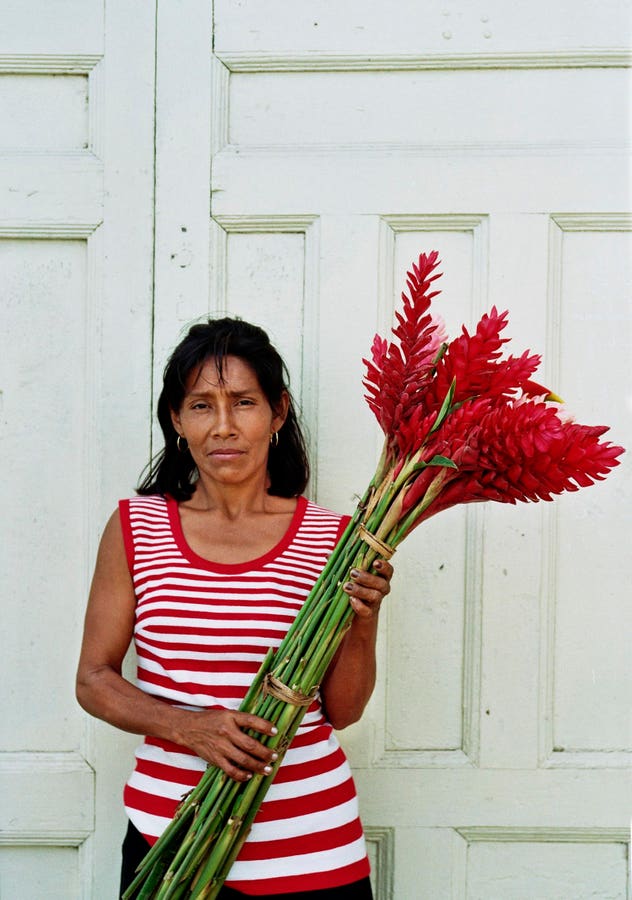
Latinas in the United States: Contributions, Accomplishments, and Struggles
Overview
During Women’s History Month, it is essential to acknowledge the significant contributions, accomplishments, and struggles of Latinas in the United States. With over 31 million Latinas in the country, they are a vital part of the nation’s demographic landscape.
Demographics
According to the U.S. Census Bureau, nearly 22% of Latinas aged 25 and older have earned at least a bachelor’s degree, compared to 17% of Hispanic men. The number of Latinas obtaining at least a bachelor’s degree has increased by 103% from 2010 to 2021, compared to 38.3% for non-Latinas. Sixty percent of Latinas are 25 or older, and 32% were foreign-born.
Economics, Labor Force Participation, and Latinas
Latinas are significant contributors to large-scale economic gains and prosperity. However, in their daily lives, they often face challenges. According to the Institute for Women’s Policy Research, if current trends persist, it will take Latinas 182 years to reach pay equity with white men.
Despite these challenges, the economic contributions of Latinas are remarkable. The inaugural U.S. Latina GDP Report reveals that Latina GDP outpaced the economies of all U.S. states except California, Texas, and New York. Specifically, the total economic output of Latinas in 2022 reached $1.3 trillion. From 2010 to 2021, Latina GDP grew by 51.1%, a growth rate 2.7 times faster than non-Latino GDP.
Latinas in the Labor Force
Since 2000, the number of Latinas in the labor force has steadily increased. The U.S. Bureau of Labor Statistics reports that in just ten years, 2018 to 2028, the percentage of Latinas in the workforce is projected to increase by about 23%. According to researchers at UCLA and California Lutheran University, between 2000 and 2020, Latinas increased their labor force participation rate by nearly eight percentage points, while the rate for non-Latina women remained flat. From 2010 to 2021, the number of Latinas in the labor force grew by approximately 33%, compared to 3% for non-Latina women.
Challenges and Solutions
While Latinas drive growth in the labor force, many earn low wages and struggle in other ways. According to the U.S. Bureau of Labor Statistics, women are more likely than men to work in service jobs, including those in hospitality, personal care, customer service, cleaning, education, and healthcare. In 2024, 31% of Latinas were in service occupations compared to 20% of all employed women. Latinas in these positions had median weekly earnings of $613, the lowest among racial and ethnic groups.
A Few Policy Actions to Support Latinas
To benefit Latinas and all women in the labor force, some possible policy actions include:
- Facilitating greater access to capital to start and grow businesses
- Strengthening legislation focused on reducing the wage gap, especially the gender wage gap
- Enhancing access to free or at least more affordable training programs designed to facilitate and support advancement in the workplace
Conclusion
As the U.S. celebrates women’s accomplishments and recognizes their struggles, it is essential to elevate the stories of Latinas to a more prominent place in our nation’s narrative. By acknowledging their contributions, accomplishments, and challenges, we can work towards a more equitable society where all women, including Latinas, can thrive.
FAQs
- What is the current demographic makeup of Latinas in the United States?
- According to the U.S. Census Bureau, nearly 22% of Latinas aged 25 and older have earned at least a bachelor’s degree, compared to 17% of Hispanic men.
- What is the economic contribution of Latinas to the U.S. economy?
- The total economic output of Latinas in 2022 reached $1.3 trillion, and from 2010 to 2021, Latina GDP grew by 51.1%, a growth rate 2.7 times faster than non-Latino GDP.
- How have Latinas contributed to the growth of the U.S. labor force?
- Since 2000, the number of Latinas in the labor force has steadily increased. The U.S. Bureau of Labor Statistics reports that in just ten years, 2018 to 2028, the percentage of Latinas in the workforce is projected to increase by about 23%.




Portable Benefits Could Fix the Gig Economy’s Biggest Problem

Ethical Reasoning Has Become a Core Workplace Skill and Training Programs Are Missing It

Stakeholder Pressure on CEOs Has Reached a Breaking Point

Identity Resilience at Work and Why It Matters More Than Grit

The Revenge of Middle Management and Why Organizations Should Pay Attention

First-Generation Professionals Face a Different Workplace and Nobody Prepares Them for It

Small Business Survival in Underserved Communities Needs More Than Microloans

Aging Populations are Reshaping Labor Markets Faster Than Policy Can Respond

How Emotional Intelligence Can Help You Manage Stress and Build Resilience

Interview with Dr. Kristy K. Taylor, WORxK Global News Magazine Founder

Sarah Herrlinger Talks AirPods Pro Hearing Aid

Unlocking Human Potential: Kim Groshek’s Journey to Transforming Leadership and Stress Resilience

NetWork Your Way to Success: Top Tips for Maximizing Your Professional Network

The Power of Belonging: Why Feeling Accepted Matters in the Workplace

Health-care stocks fall after Warren PBM bill, Brian Thompson shooting

Glenda Benevides: Creating Global Impact Through Music
-
 Resiliency1 year ago
How Emotional Intelligence Can Help You Manage Stress and Build Resilience
-
 Career Advice2 years ago
Interview with Dr. Kristy K. Taylor, WORxK Global News Magazine Founder
-
 Diversity and Inclusion (DEIA)2 years ago
Sarah Herrlinger Talks AirPods Pro Hearing Aid
-
 Changemaker Interviews2 years ago
Unlocking Human Potential: Kim Groshek’s Journey to Transforming Leadership and Stress Resilience
-
 Career Advice2 years ago
NetWork Your Way to Success: Top Tips for Maximizing Your Professional Network
-
 Diversity and Inclusion (DEIA)2 years ago
The Power of Belonging: Why Feeling Accepted Matters in the Workplace
-
 Global Trends and Politics2 years ago
Health-care stocks fall after Warren PBM bill, Brian Thompson shooting
-
 Changemaker Interviews2 years ago
Glenda Benevides: Creating Global Impact Through Music