
Innovation and Technology
Crypto Regulation for Growth

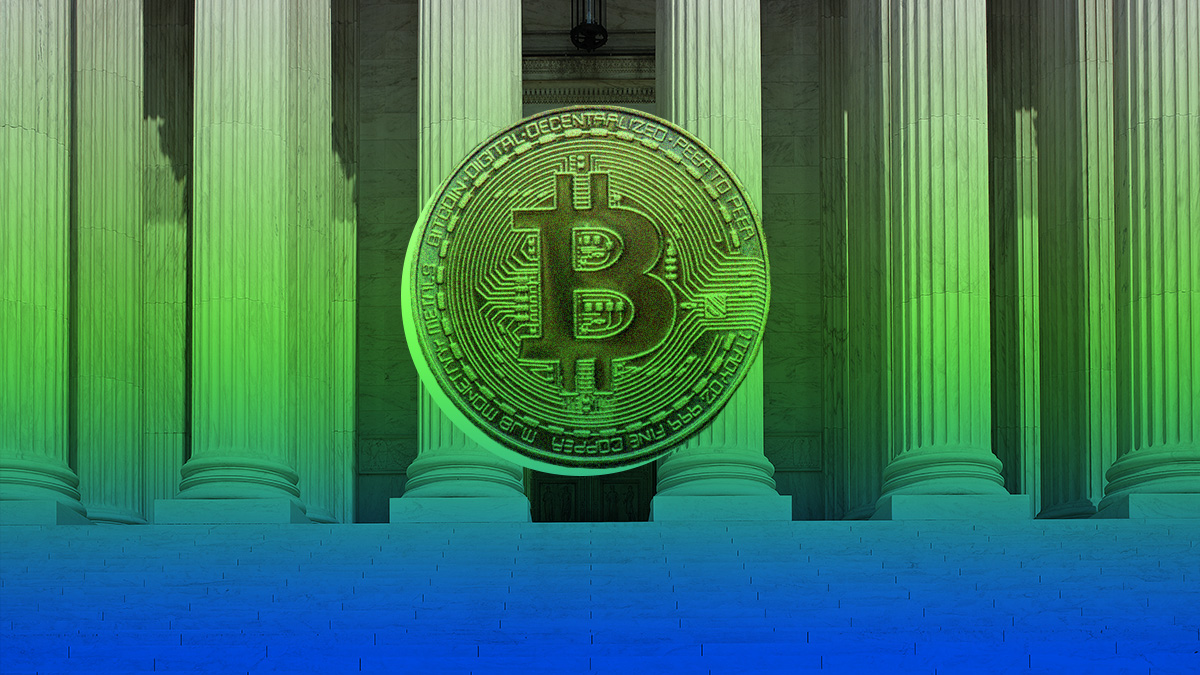
Ignorance is Risk: The Uncertainty of Cryptocurrency Regulation
A Need for Clarity
Ignorance may be bliss for some, but ask anyone in commerce or finance, and they will make it abundantly clear: Ignorance is risk. For that reason, U.S. markets embrace reasonable regulation to ensure transparency and fairness. Stocks are regulated by the Securities and Exchange Commission (SEC), commodities by the Commodity Futures Trading Commission (CFTC), and government currency by the Department of the Treasury and the Federal Reserve.
The Emergence of Cryptocurrencies
But an emergent fourth asset class, cryptocurrencies, has no single regulator, and that is leading to uncertainty and confusion. Cryptocurrencies, such as Bitcoin and Ethereum, have gained significant attention and value in recent years, but their lack of regulation has created a Wild West environment, where investors are left to navigate uncharted territory.
The Consequences of Uncertainty
The absence of regulation has led to a lack of transparency, making it difficult for investors to make informed decisions. Without clear guidelines, market manipulation, fraud, and other illicit activities are more likely to occur, putting investors’ funds at risk. The uncertainty also hinders the development of a stable and sustainable cryptocurrency market, making it challenging for businesses to integrate these assets into their operations.
A Call for Regulation
As the cryptocurrency market continues to grow, it is essential to establish a regulatory framework that ensures the integrity and stability of this emerging asset class. The lack of regulation is not only a risk to investors but also a hindrance to the overall growth and development of the market. A clear regulatory framework would provide much-needed guidance, transparency, and protection for investors, allowing the market to flourish.
Conclusion
In conclusion, the uncertainty surrounding cryptocurrency regulation is a significant concern that needs to be addressed. The lack of regulation has created an environment of uncertainty, putting investors’ funds at risk and hindering the development of a stable and sustainable market. It is essential to establish a regulatory framework that ensures the integrity and stability of this emerging asset class, providing much-needed guidance, transparency, and protection for investors.
FAQs
Q: Why is regulation important for cryptocurrencies?
A: Regulation is important for cryptocurrencies because it ensures transparency, fairness, and stability in the market, protecting investors’ funds and preventing market manipulation and fraud.
Q: Who regulates stocks and commodities in the U.S.?
A: Stocks are regulated by the Securities and Exchange Commission (SEC), and commodities are regulated by the Commodity Futures Trading Commission (CFTC).
Q: What is the Department of the Treasury and the Federal Reserve responsible for?
A: The Department of the Treasury and the Federal Reserve are responsible for regulating government currency in the U.S.
Q: Why is it important to establish a regulatory framework for cryptocurrencies?
A: Establishing a regulatory framework for cryptocurrencies is important to ensure the integrity and stability of the market, providing much-needed guidance, transparency, and protection for investors.




Portable Benefits Could Fix the Gig Economy’s Biggest Problem

Ethical Reasoning Has Become a Core Workplace Skill and Training Programs Are Missing It

Stakeholder Pressure on CEOs Has Reached a Breaking Point

Identity Resilience at Work and Why It Matters More Than Grit

The Revenge of Middle Management and Why Organizations Should Pay Attention

First-Generation Professionals Face a Different Workplace and Nobody Prepares Them for It

Small Business Survival in Underserved Communities Needs More Than Microloans

Aging Populations are Reshaping Labor Markets Faster Than Policy Can Respond

How Emotional Intelligence Can Help You Manage Stress and Build Resilience

Interview with Dr. Kristy K. Taylor, WORxK Global News Magazine Founder

Sarah Herrlinger Talks AirPods Pro Hearing Aid

Unlocking Human Potential: Kim Groshek’s Journey to Transforming Leadership and Stress Resilience

NetWork Your Way to Success: Top Tips for Maximizing Your Professional Network

The Power of Belonging: Why Feeling Accepted Matters in the Workplace

Health-care stocks fall after Warren PBM bill, Brian Thompson shooting

Glenda Benevides: Creating Global Impact Through Music
-
 Resiliency1 year ago
How Emotional Intelligence Can Help You Manage Stress and Build Resilience
-
 Career Advice2 years ago
Interview with Dr. Kristy K. Taylor, WORxK Global News Magazine Founder
-
 Diversity and Inclusion (DEIA)2 years ago
Sarah Herrlinger Talks AirPods Pro Hearing Aid
-
 Changemaker Interviews2 years ago
Unlocking Human Potential: Kim Groshek’s Journey to Transforming Leadership and Stress Resilience
-
 Career Advice2 years ago
NetWork Your Way to Success: Top Tips for Maximizing Your Professional Network
-
 Diversity and Inclusion (DEIA)2 years ago
The Power of Belonging: Why Feeling Accepted Matters in the Workplace
-
 Global Trends and Politics2 years ago
Health-care stocks fall after Warren PBM bill, Brian Thompson shooting
-
 Changemaker Interviews2 years ago
Glenda Benevides: Creating Global Impact Through Music