
Diversity and Inclusion (DEIA)
Target CEO Brian Cornell Meets with Al Sharpton Amid DEI Rollback

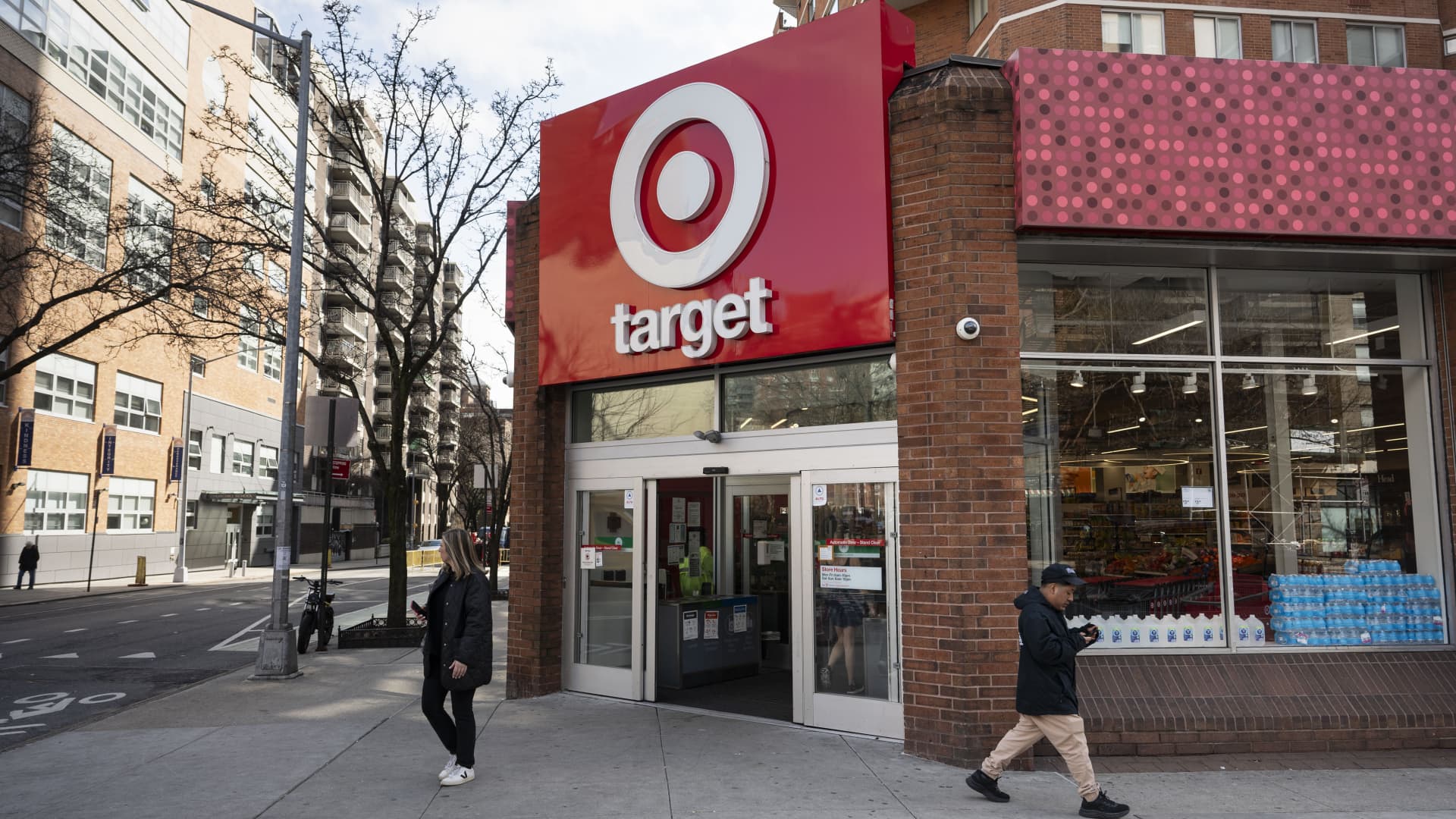
People walk past Target Store in Midtown Manhattan on March 6, 2025 in New York City, United States. Target CEO Brian Cornell met with the Rev. Al Sharpton in New York as the retailer faces calls for a boycott and a slowdown in foot traffic that began after it walked back key diversity, equity and inclusion programs, the civil rights leader told CNBC Wednesday.
Background on the Meeting
The meeting, which Target asked for, comes after some civil rights groups urged consumers not to shop at Target in response to the retailer’s decision to cut back on DEI. While Sharpton has not yet called for a boycott of Target, he has supported efforts from others to stop shopping at the retailer’s stores. “You can’t have an election come and all of a sudden, change your old positions,” Sharpton told CNBC in a Wednesday interview ahead of the meeting. “If an election determines your commitment to fairness then fine, you have a right to withdraw from us, but then we have a right to withdraw from you.”
Demands and Expectations
The civil rights leader said he would consider calling for a Target boycott if the company doesn’t confirm its commitment to the Black community and pledge to work with and invest in Black-owned businesses. “I said, ‘If [Cornell] wants to have a candid meeting, we’ll meet,'” Sharpton said of the phone call Target made to his office. “I want to first hear what he has to say.” A Target spokesman confirmed to CNBC that the company reached out to Sharpton for a meeting and that Cornell will talk to him in New York this week.
Aftermath of the Meeting
On Thursday afternoon, Sharpton issued a statement after the meeting, calling it “constructive and candid.” “I am going to inform our allies, including Rev. Dr. Jamal Bryant, of our discussion, what my feelings are, and we will go from there,” said Sharpton. Bryant, a pastor in the Atlanta area, organized a 40-day boycott of Target that began in early March. The pastor has weighed whether to extend it and Sharpton had considered taking the boycott national.
Impact on Target
In January, Target said it would end its three-year DEI goals, no longer share company reports with external diversity-focused groups like the Human Rights Campaign’s Corporate Equity Index and end specific efforts to get more products from Black- and minority-owned businesses on its shelves. Just days after the announcement, foot traffic at Target stores started to slow down. Since the week of Jan. 27, Target’s foot traffic has declined for 10 straight weeks compared to the year-ago period, according to Placer.ai, an analytics firm that uses anonymized data from mobile devices to estimate overall visits to locations.
Wider DEI Retreat
With its decision to roll back DEI efforts, the cheap chic retailer Target joined Walmart, McDonald’s, Tractor Supply and a slew of others that scrapped at least some DEI initiatives as they grew concerned that the programs could alienate some customers or land them in the crosshairs of President Donald Trump, who has vowed to end every DEI program across the federal government. Target’s decision contrasted with Costco, which shook off pressure from conservative activists to maintain its DEI programs.
Comparison with Other Companies
In the month of March, Target’s store traffic declined 6.5%, while the metric rose 7.5% year over year at Costco, Placer.ai data show. Target’s challenges run deeper than DEI backlash, and resistance to its policy change only added to its issues. The discounter’s annual revenue has been roughly flat for four years in a row as it’s struggled to drive consistent sales gains.
Questions and Commitments
In his meeting with Cornell, Sharpton said he will ask for Target to follow through on pledges it made after police killed George Floyd in the company’s hometown of Minneapolis. “You made commitments based on the George Floyd movement … what changed?” said Sharpton. “Are you trying to say … everything’s fine now, because the election changed? That’s insulting to us.” In the wake of Floyd’s murder, Cornell said the event moved him.
Conclusion
The meeting between Target CEO Brian Cornell and the Rev. Al Sharpton marks a significant moment in the ongoing debate over diversity, equity, and inclusion programs in corporate America. As companies face pressure from both sides, they must navigate complex issues of social responsibility, customer expectations, and bottom-line concerns. The outcome of this meeting and the subsequent actions of Target and other companies will be closely watched, as they have the potential to impact not only the companies themselves but also the broader social landscape.
FAQs
Q: What prompted the meeting between Target CEO Brian Cornell and the Rev. Al Sharpton?
A: The meeting was prompted by Target’s decision to roll back its diversity, equity, and inclusion (DEI) programs, which led to calls for a boycott and a slowdown in foot traffic at Target stores.
Q: What did Sharpton say about Target’s decision to end its DEI goals?
A: Sharpton expressed disappointment and frustration, stating that Target’s decision was insulting and suggested that the company was abandoning its commitments to the Black community.
Q: How has Target’s foot traffic been affected since the announcement?
A: According to Placer.ai, Target’s foot traffic has declined for 10 straight weeks compared to the year-ago period, with a 6.5% decline in March.
Q: How does Target’s decision compare to other companies?
A: Target’s decision to roll back DEI efforts is part of a wider trend, with companies like Walmart, McDonald’s, and Tractor Supply also scaling back their DEI initiatives. However, companies like Costco have maintained their commitment to DEI programs.
Q: What is the potential impact of the meeting between Cornell and Sharpton?
A: The meeting could lead to Target reaffirming its commitment to DEI programs or facing further backlash, including a potential boycott. The outcome will be closely watched, as it has implications for the company, its customers, and the broader social landscape.


Portable Benefits Could Fix the Gig Economy’s Biggest Problem

Ethical Reasoning Has Become a Core Workplace Skill and Training Programs Are Missing It

Stakeholder Pressure on CEOs Has Reached a Breaking Point

Identity Resilience at Work and Why It Matters More Than Grit

The Revenge of Middle Management and Why Organizations Should Pay Attention

First-Generation Professionals Face a Different Workplace and Nobody Prepares Them for It

Small Business Survival in Underserved Communities Needs More Than Microloans

Aging Populations are Reshaping Labor Markets Faster Than Policy Can Respond

How Emotional Intelligence Can Help You Manage Stress and Build Resilience

Interview with Dr. Kristy K. Taylor, WORxK Global News Magazine Founder

Sarah Herrlinger Talks AirPods Pro Hearing Aid

Unlocking Human Potential: Kim Groshek’s Journey to Transforming Leadership and Stress Resilience

NetWork Your Way to Success: Top Tips for Maximizing Your Professional Network

The Power of Belonging: Why Feeling Accepted Matters in the Workplace

Health-care stocks fall after Warren PBM bill, Brian Thompson shooting

Glenda Benevides: Creating Global Impact Through Music
-
 Resiliency1 year ago
How Emotional Intelligence Can Help You Manage Stress and Build Resilience
-
 Career Advice2 years ago
Interview with Dr. Kristy K. Taylor, WORxK Global News Magazine Founder
-
 Diversity and Inclusion (DEIA)2 years ago
Sarah Herrlinger Talks AirPods Pro Hearing Aid
-
 Changemaker Interviews2 years ago
Unlocking Human Potential: Kim Groshek’s Journey to Transforming Leadership and Stress Resilience
-
 Career Advice2 years ago
NetWork Your Way to Success: Top Tips for Maximizing Your Professional Network
-
 Diversity and Inclusion (DEIA)2 years ago
The Power of Belonging: Why Feeling Accepted Matters in the Workplace
-
 Global Trends and Politics2 years ago
Health-care stocks fall after Warren PBM bill, Brian Thompson shooting
-
 Changemaker Interviews2 years ago
Glenda Benevides: Creating Global Impact Through Music