
Global Trends and Politics
IRS staff cuts mean fewer audits of the wealthy

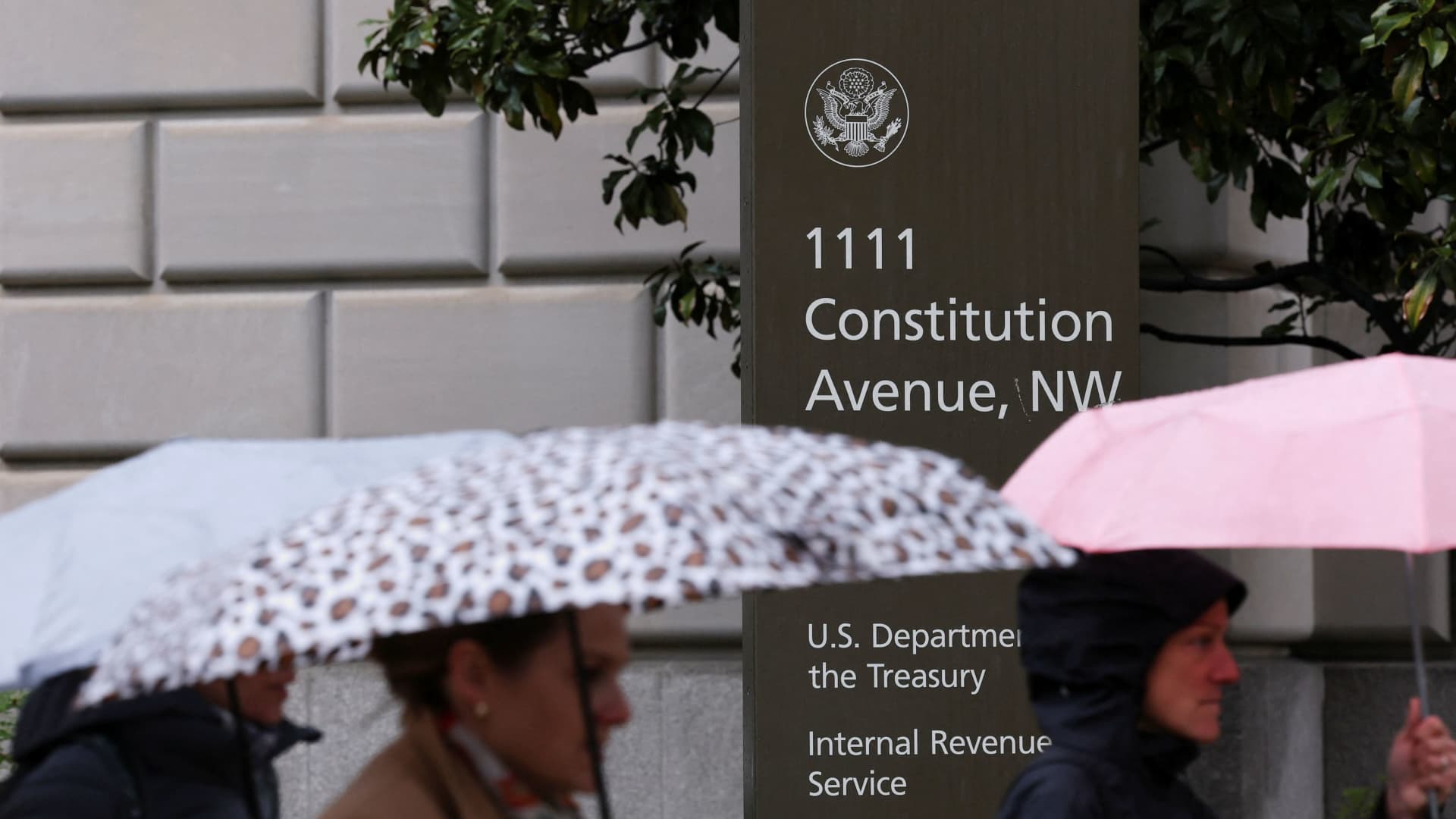
Introduction to the IRS Crisis
The IRS has been facing a significant crisis in recent times, with a substantial reduction in staff and budget cuts. This has led to a decline in the agency’s ability to audit and enforce tax laws, particularly for high-net-worth individuals and companies. One of the affected IRS agents, Wesley Stanovsek, was a young and tech-savvy accountant who specialized in S-corps, trusts, and partnerships. He was hired by the IRS’s High Wealth division in 2024 but was fired in February, along with other probationary agents.
The Impact of Staff Cuts on Tax Enforcement
The firing of Stanovsek and other agents has had a significant impact on the IRS’s ability to enforce tax laws. The cases that Stanovsek was working on, including two involving partnerships and one involving a wealthy sports team owner, were dropped due to a lack of staff. This is not an isolated incident, as many other agents have also been let go, resulting in a substantial reduction in the agency’s enforcement capabilities. The IRS is expected to lose about a third of its staff after firings and buyouts, which will further exacerbate the problem.
The Consequences for Taxpayers
The reduction in IRS staff and enforcement capabilities has significant consequences for taxpayers, particularly high-net-worth individuals and companies. With fewer agents to audit and review tax returns, many taxpayers may be able to avoid paying their fair share of taxes. Attorneys say that many of their audits have gone dark, and with the statute of limitations on an assessment typically limited to three years after the taxes are filed, many are expected to expire without attention. Some wealthy taxpayers are even asking their attorneys and accountants whether they need to bother filing returns, but the answer is an emphatic yes, as the IRS has historical data on every taxpayer who has ever filed, and a missing filing in one year would immediately raise an audit flag.
The Rise of Aggressive Tax-Planning Techniques
The understaffed IRS may lead to a new era in which taxpayers and their accountants push the envelope with aggressive tax-planning techniques that may escape the review of the agency. Kathleen Pakenham, a partner at Vinson & Elkins, warns that this is exactly the kind of environment in which tax shelters are devised and sold. A Yale Budget Lab study found that if the IRS staff cuts endure for the next 10 years, tax revenue will fall at least $160 billion over the next decade.
The Role of AI in Tax Enforcement
Treasury Secretary Scott Bessent has stated that AI and other new technologies will allow the IRS to be more efficient and even do a better job at collections and service. However, attorneys say that while AI is highly effective at selecting the types of returns that might contain certain kinds of abuses or strategies, it takes a highly skilled auditor with years of experience to ask the right follow-up questions and make judgments. The use of AI in tax enforcement is still in its early stages, and its effectiveness remains to be seen.
Conclusion
The IRS crisis has significant implications for tax enforcement and revenue collection. The reduction in staff and budget cuts has led to a decline in the agency’s ability to audit and enforce tax laws, particularly for high-net-worth individuals and companies. The consequences for taxpayers are significant, and the rise of aggressive tax-planning techniques is a major concern. The use of AI in tax enforcement may help to some extent, but it is not a replacement for human auditors and agents.
FAQs
Q: What is the impact of the IRS staff cuts on tax enforcement?
A: The reduction in IRS staff has led to a decline in the agency’s ability to audit and enforce tax laws, particularly for high-net-worth individuals and companies.
Q: What are the consequences for taxpayers?
A: The consequences for taxpayers are significant, and many may be able to avoid paying their fair share of taxes. Some wealthy taxpayers may even ask their attorneys and accountants whether they need to bother filing returns.
Q: What is the role of AI in tax enforcement?
A: AI is highly effective at selecting the types of returns that might contain certain kinds of abuses or strategies, but it takes a highly skilled auditor with years of experience to ask the right follow-up questions and make judgments.
Q: What is the expected impact on tax revenue?
A: A Yale Budget Lab study found that if the IRS staff cuts endure for the next 10 years, tax revenue will fall at least $160 billion over the next decade.
Q: What is the advice for taxpayers?
A: Taxpayers should continue to file their returns and comply with tax laws, as the IRS has historical data on every taxpayer who has ever filed, and a missing filing in one year would immediately raise an audit flag.


Portable Benefits Could Fix the Gig Economy’s Biggest Problem

Ethical Reasoning Has Become a Core Workplace Skill and Training Programs Are Missing It

Stakeholder Pressure on CEOs Has Reached a Breaking Point

Identity Resilience at Work and Why It Matters More Than Grit

The Revenge of Middle Management and Why Organizations Should Pay Attention

First-Generation Professionals Face a Different Workplace and Nobody Prepares Them for It

Small Business Survival in Underserved Communities Needs More Than Microloans

Aging Populations are Reshaping Labor Markets Faster Than Policy Can Respond

How Emotional Intelligence Can Help You Manage Stress and Build Resilience

Interview with Dr. Kristy K. Taylor, WORxK Global News Magazine Founder

Sarah Herrlinger Talks AirPods Pro Hearing Aid

Unlocking Human Potential: Kim Groshek’s Journey to Transforming Leadership and Stress Resilience

NetWork Your Way to Success: Top Tips for Maximizing Your Professional Network

The Power of Belonging: Why Feeling Accepted Matters in the Workplace

Health-care stocks fall after Warren PBM bill, Brian Thompson shooting

Glenda Benevides: Creating Global Impact Through Music
-
 Resiliency1 year ago
How Emotional Intelligence Can Help You Manage Stress and Build Resilience
-
 Career Advice2 years ago
Interview with Dr. Kristy K. Taylor, WORxK Global News Magazine Founder
-
 Diversity and Inclusion (DEIA)2 years ago
Sarah Herrlinger Talks AirPods Pro Hearing Aid
-
 Changemaker Interviews2 years ago
Unlocking Human Potential: Kim Groshek’s Journey to Transforming Leadership and Stress Resilience
-
 Career Advice2 years ago
NetWork Your Way to Success: Top Tips for Maximizing Your Professional Network
-
 Diversity and Inclusion (DEIA)2 years ago
The Power of Belonging: Why Feeling Accepted Matters in the Workplace
-
 Global Trends and Politics2 years ago
Health-care stocks fall after Warren PBM bill, Brian Thompson shooting
-
 Changemaker Interviews2 years ago
Glenda Benevides: Creating Global Impact Through Music