
Innovation and Technology
AI Agents Are Changing How We Shop—And Marketers Need to Catch Up

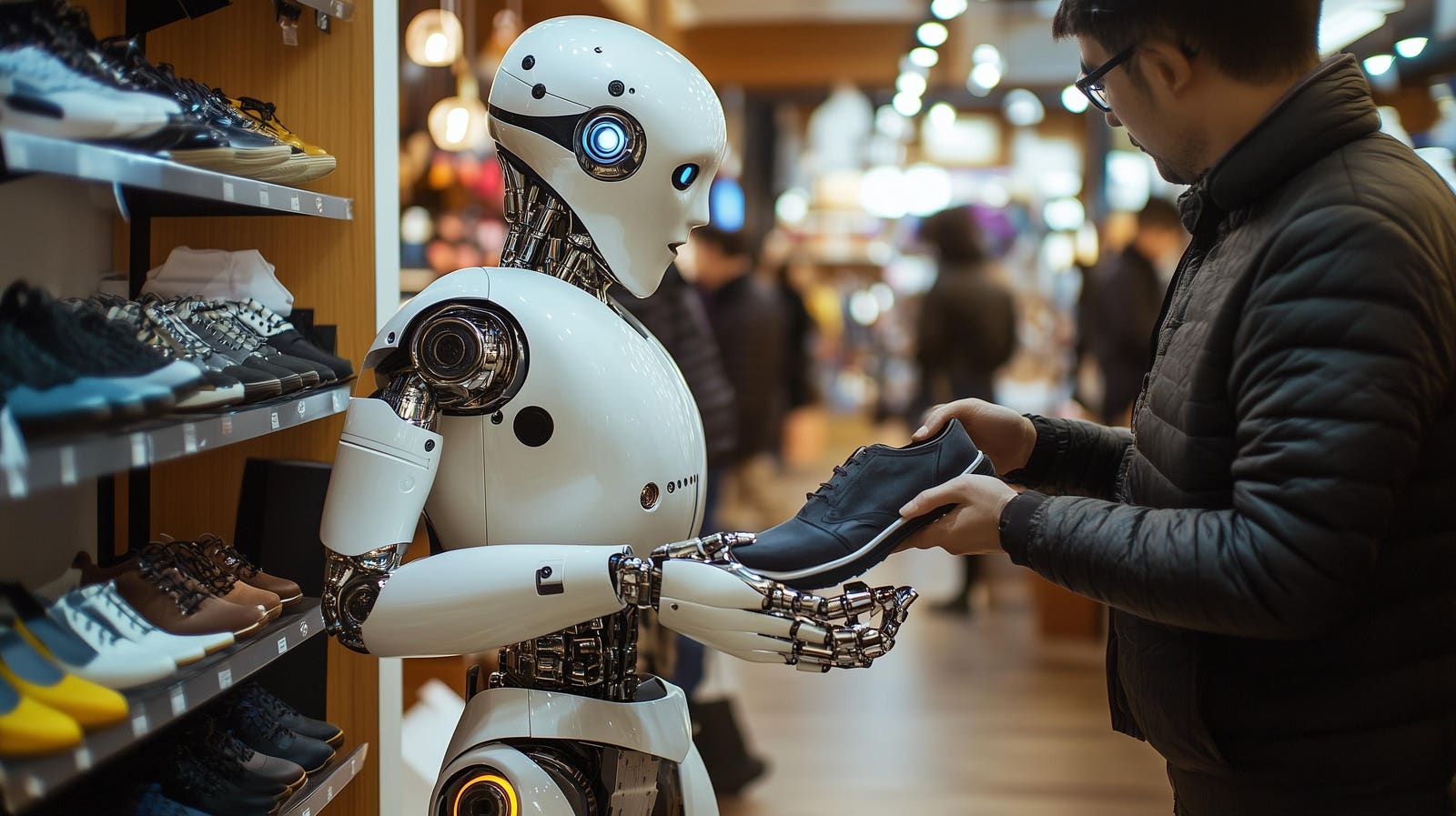
Shopping trends follow technology trends. Hot on the heels of each tech milestone of the digital age—the internet, social media, mobile—came marketers. Titans like Amazon, eBay and Temu were built by leveraging new opportunities to reach customers. The wave of transformation that will be driven by the widespread adoption of AI agents could potentially be even more dramatic. Agents are best thought of as the next leap forward in generative AI. Rather than simply thinking and talking like ChatGPT, agents are capable of taking action and performing complex tasks.
The Impact of AI Agents on Shopping
According to a recent research paper, Are AI Agents Interacting With Online Ads?, AI agents are already looking at advertising to decide whether it could help them answer questions. The paper also reports that the number of browser-based searches could drop by 25% by the end of this year in favor of searches carried out on our behalf by agentic or generative applications. So, what steps are businesses taking to prepare for this opportunity? And what does anyone responsible for marketing a business, from corporate marketers to small business owners, need to do to make sure they’re ready?
How Agents Shop And Make Buying Decisions
When explaining what agents can do, one of the most frequently cited examples is their ability to make buying decisions. By using a browser or interfacing APIs, they can, in theory, vastly speed up the process of making a purchase. While some of us might enjoy shopping, going through numerous sites to compare prices, shipping times, or return policies is still a time-consuming activity for humans. Agents are well suited to this because, with their analytical and language capabilities, they can quickly create an overview of our options, along with the pros and cons of choices, individually tailored to what they know about our needs.
Technical Capabilities of AI Agents
AI agents already exist that can help users by creating recipes to cook and shopping for ingredients, as well as scanning multiple sites looking for and booking the best travel deals, have already been demonstrated. The research examined behaviors of popular AI tools with agentic capabilities, including OpenAI Operator and open-source models. Among the findings was a propensity for agents to focus on structured data, such as lists of statistics, for the content they analyzed. It also discovered that agents using computer vision capabilities to “see” websites like us are easily tricked into clicking pop-ups.
How Can Businesses Leap On This Opportunity?
For marketers, this might seem to turn one of the fundamental principles of digital marketing on its head. Rather than persuading humans, the priority becomes persuading machines that are advising humans. The goal is to convince them that our ideas, messages, products or services are the best response to their users’ requests. The first clue we have is that we should focus on structured, machine-readable information. This might be because machines know we like information backed by facts and stats. But despite their ability to interpret complex expressive human languages, they still instinctively look for information in their native language of numbers.
Preparing for the Future of Marketing
The paper also suggests (although doesn’t definitively state) that well-sourced information with quality citations is more likely to attract the attention of agents. And it’s thought that agents are also more likely to be attracted to information that appears to be direct answers to questions, written in a clear and well-structured way. On the technical side, it would be a good idea to see if APIs and feeds can (and should) be made agent-friendly, opening up streams of data on products, prices or availability. This might involve marketers working with digital or e-commerce teams to make sure everyone’s on the same page.
Conclusion
It’s very hard to predict how any hugely transformative technology will work out long-term, and agentic AI is no different. When marketers started SEOing content decades ago, it was largely a technical exercise to count keywords. Today, it’s a vast and complex field of research, theory and practice involving many aspects of human and AI communication. Understanding the difference between human and machine decision-making will be the key here. How will the way that agents apply weight to factors like value, brand recognition or safety differ from the way we do? The most important piece of advice is to avoid the temptation to wait and see. The revolution is already underway, and as a growing number of AI service providers begin offering agentic platforms and apps, it could quickly become part of everyday life.
FAQs
- Q: What are AI agents and how do they work?
A: AI agents are advanced forms of generative AI that can perform complex tasks and make decisions on behalf of users. - Q: How will AI agents change the way we shop online?
A: AI agents are expected to reduce the number of browser-based searches by 25% by the end of the year, as they take over tasks such as comparing prices and finding the best deals. - Q: What can businesses do to prepare for the rise of AI agents in marketing?
A: Businesses should focus on creating structured, machine-readable information and making their APIs and feeds agent-friendly to attract the attention of AI agents. - Q: Will traditional SEO still be relevant in the age of AI agents?
A: While AI agents will change the way marketing works, traditional SEO will still be important, but businesses should also explore new ways to attract the attention of agentic AI.




Portable Benefits Could Fix the Gig Economy’s Biggest Problem

Ethical Reasoning Has Become a Core Workplace Skill and Training Programs Are Missing It

Stakeholder Pressure on CEOs Has Reached a Breaking Point

Identity Resilience at Work and Why It Matters More Than Grit

The Revenge of Middle Management and Why Organizations Should Pay Attention

First-Generation Professionals Face a Different Workplace and Nobody Prepares Them for It

Small Business Survival in Underserved Communities Needs More Than Microloans

Aging Populations are Reshaping Labor Markets Faster Than Policy Can Respond

How Emotional Intelligence Can Help You Manage Stress and Build Resilience

Interview with Dr. Kristy K. Taylor, WORxK Global News Magazine Founder

Sarah Herrlinger Talks AirPods Pro Hearing Aid

Unlocking Human Potential: Kim Groshek’s Journey to Transforming Leadership and Stress Resilience

NetWork Your Way to Success: Top Tips for Maximizing Your Professional Network

The Power of Belonging: Why Feeling Accepted Matters in the Workplace

Health-care stocks fall after Warren PBM bill, Brian Thompson shooting

Glenda Benevides: Creating Global Impact Through Music
-
 Resiliency1 year ago
How Emotional Intelligence Can Help You Manage Stress and Build Resilience
-
 Career Advice2 years ago
Interview with Dr. Kristy K. Taylor, WORxK Global News Magazine Founder
-
 Diversity and Inclusion (DEIA)2 years ago
Sarah Herrlinger Talks AirPods Pro Hearing Aid
-
 Changemaker Interviews2 years ago
Unlocking Human Potential: Kim Groshek’s Journey to Transforming Leadership and Stress Resilience
-
 Career Advice2 years ago
NetWork Your Way to Success: Top Tips for Maximizing Your Professional Network
-
 Diversity and Inclusion (DEIA)2 years ago
The Power of Belonging: Why Feeling Accepted Matters in the Workplace
-
 Global Trends and Politics2 years ago
Health-care stocks fall after Warren PBM bill, Brian Thompson shooting
-
 Changemaker Interviews2 years ago
Glenda Benevides: Creating Global Impact Through Music