
Global Trends and Politics
Nike, Adidas Seek Tariff Exemption from Trump

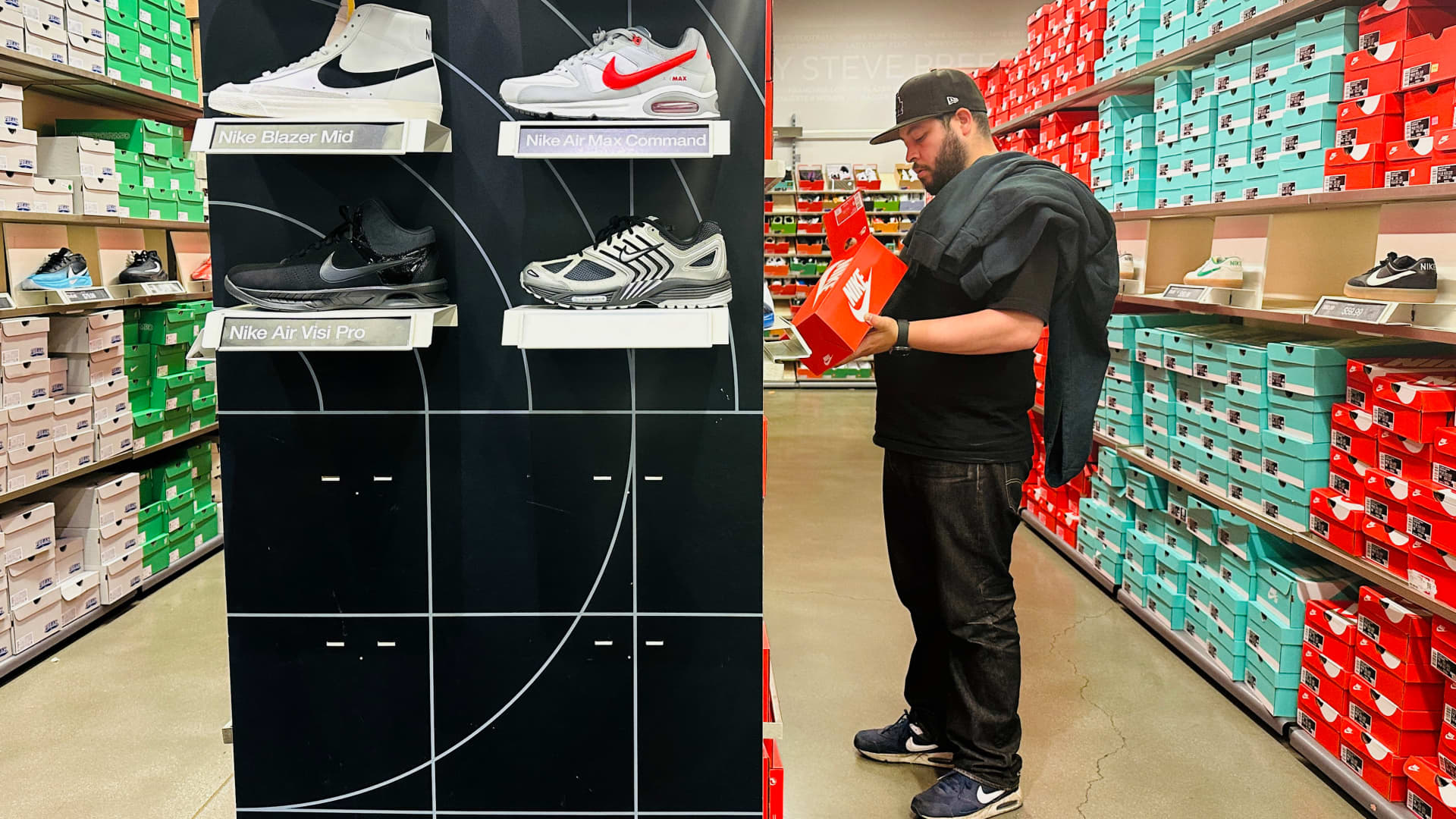
America’s largest shoe brands are asking President Donald Trump for a tariff reprieve. The Footwear Distributors and Retailers of America trade group sent a letter to the White House asking for an exemption to Trump’s so-called reciprocal tariffs, which the association said pose an “existential threat” to the footwear industry. The letter is signed by 76 footwear brands, including Nike, Adidas, Skechers, and Under Armour.
The Impact of Tariffs on the Footwear Industry
“Many companies making affordable footwear for hardworking lower and middle-income families cannot absorb tariff rates this high, nor can they pass along these costs. Without immediate relief from the reciprocal tariffs they will simply shutter,” reads the letter, which is dated April 29. “Many orders have been placed on hold, and footwear inventory for U.S. consumers may soon run low,” the trade group said.
Tariff Rates and Affected Countries
The Trump administration announced wide-sweeping tariffs on April 2, including levies on several countries that are important sources for footwear suppliers, including China, Vietnam, and Cambodia. While the initial tariff rates of more than 45% for Vietnam and Cambodia were lowered to 10% for a 90-day period, the Trump administration has only ratcheted up duties on Chinese imports, which are now subject to an effective tariff rate of 145%. Trump’s higher tariffs on dozens of trade partners are set to resume in early July.
Industry Reactions and Warnings
Adidas previously warned that tariffs would lead to higher prices for American consumers. In late March, before the specific reciprocal tariff rates were announced, Nike’s finance chief said global levies and economic uncertainty would result in lower current-quarter sales. The footwear association’s letter said the industry had already been facing significant duties on products such as children’s shoes before Trump announced his broad tariffs. In total, U.S. footwear companies will face tariffs ranging between 150% and about 220%, the trade group said.
The Need for Immediate Action
“This is an emergency that requires immediate action and attention. The American footwear industry does not have months to adjust business models and supply chains while absorbing this unprecedented and unforeseen tariff regime,” the association wrote. The group further warned that the tariffs will not result in bringing manufacturing back to the U.S., as Trump has promised, because they erase the certainty that businesses require in order to invest in sourcing changes.
Conclusion
The footwear industry is facing a significant threat due to the tariffs imposed by the Trump administration. The trade group’s letter highlights the need for immediate relief to prevent the shutdown of companies that cannot absorb the high tariff rates. The industry’s warnings and reactions emphasize the importance of finding a solution to this issue to avoid higher prices for consumers and potential job losses.
FAQs
Q: What is the main concern of the footwear industry regarding the tariffs?
A: The main concern is that the high tariff rates pose an “existential threat” to the industry, and many companies may not be able to absorb the costs or pass along the costs to consumers.
Q: Which countries are affected by the tariffs?
A: The tariffs affect countries such as China, Vietnam, and Cambodia, which are important sources for footwear suppliers.
Q: What is the effective tariff rate on Chinese imports?
A: The effective tariff rate on Chinese imports is 145%.
Q: What is the predicted outcome of the tariffs on the footwear industry?
A: The tariffs may lead to higher prices for American consumers, and the industry may face significant job losses and company shutdowns if relief is not provided.
Q: What is the footwear industry’s stance on the tariffs bringing manufacturing back to the U.S.?
A: The industry believes that the tariffs will not result in bringing manufacturing back to the U.S. because they erase the certainty that businesses require in order to invest in sourcing changes.


Portable Benefits Could Fix the Gig Economy’s Biggest Problem

Ethical Reasoning Has Become a Core Workplace Skill and Training Programs Are Missing It

Stakeholder Pressure on CEOs Has Reached a Breaking Point

Identity Resilience at Work and Why It Matters More Than Grit

The Revenge of Middle Management and Why Organizations Should Pay Attention

First-Generation Professionals Face a Different Workplace and Nobody Prepares Them for It

Small Business Survival in Underserved Communities Needs More Than Microloans

Aging Populations are Reshaping Labor Markets Faster Than Policy Can Respond

How Emotional Intelligence Can Help You Manage Stress and Build Resilience

Interview with Dr. Kristy K. Taylor, WORxK Global News Magazine Founder

Sarah Herrlinger Talks AirPods Pro Hearing Aid

Unlocking Human Potential: Kim Groshek’s Journey to Transforming Leadership and Stress Resilience

NetWork Your Way to Success: Top Tips for Maximizing Your Professional Network

The Power of Belonging: Why Feeling Accepted Matters in the Workplace

Health-care stocks fall after Warren PBM bill, Brian Thompson shooting

Glenda Benevides: Creating Global Impact Through Music
-
 Resiliency1 year ago
How Emotional Intelligence Can Help You Manage Stress and Build Resilience
-
 Career Advice2 years ago
Interview with Dr. Kristy K. Taylor, WORxK Global News Magazine Founder
-
 Diversity and Inclusion (DEIA)2 years ago
Sarah Herrlinger Talks AirPods Pro Hearing Aid
-
 Changemaker Interviews2 years ago
Unlocking Human Potential: Kim Groshek’s Journey to Transforming Leadership and Stress Resilience
-
 Career Advice2 years ago
NetWork Your Way to Success: Top Tips for Maximizing Your Professional Network
-
 Diversity and Inclusion (DEIA)2 years ago
The Power of Belonging: Why Feeling Accepted Matters in the Workplace
-
 Global Trends and Politics2 years ago
Health-care stocks fall after Warren PBM bill, Brian Thompson shooting
-
 Changemaker Interviews2 years ago
Glenda Benevides: Creating Global Impact Through Music