
Organizational Culture
Why People Don’t Feel Safe Speaking Up at Work

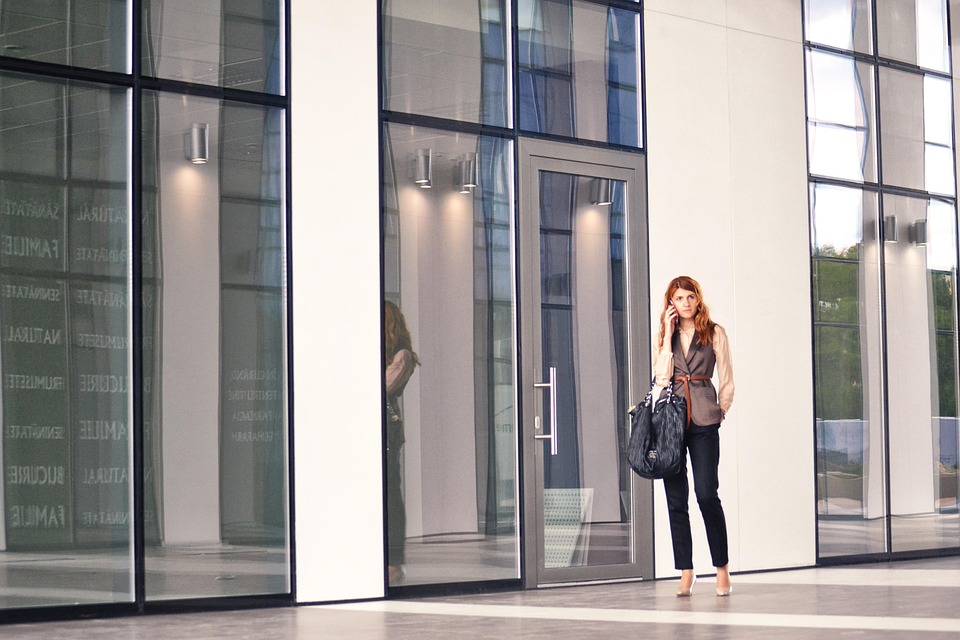
In every workplace, there are things left unsaid.
An employee notices a process that’s clearly inefficient—but doesn’t mention it. A junior team member has a great idea during a meeting—but keeps quiet. A new hire experiences subtle exclusion—but worries speaking up will make them seem “difficult.”
These aren’t isolated moments. They’re signs of a culture where psychological safety is missing—and it’s more common than most leaders realize.
Psychological safety is the belief that you can speak up, offer ideas, ask questions, or admit mistakes without fear of humiliation or punishment. When it’s missing, innovation stalls, teams disconnect, and people stop showing up as their full selves.
And in 2025, with hybrid teams, rising burnout, and Gen Z entering the workforce with higher expectations for transparency and equity, the cost of silence is too high to ignore.
What Makes Employees Stay Silent
The fear of speaking up doesn’t always come from one toxic manager or a dramatic workplace incident. It often builds slowly through culture cues and past experiences. Employees might stay quiet because:
They’ve seen others get dismissed, ignored, or punished for giving feedback
They worry that being honest will affect their performance reviews or job security
They’re in an environment where leadership always “has the final word”
They’ve been conditioned to believe that fitting in is safer than standing out
They come from marginalized backgrounds and don’t feel represented in decision-making spaces
In short: people don’t speak up when they don’t feel safe—and safety is a leadership responsibility.
The Hidden Cost of Silence
Companies often talk about innovation, collaboration, and inclusion. But those values can’t exist without psychological safety. A quiet workplace isn’t always a peaceful one—it can be a warning sign of disengagement, fear, or resignation.
When employees don’t feel safe to speak up, it can lead to:
Missed opportunities for creative problem-solving
Unreported mistakes or risks that spiral into bigger issues
Lower engagement and job satisfaction
High turnover, especially among underrepresented employees
Shallow collaboration where only surface-level ideas get shared
In contrast, research by Google’s Project Aristotle showed that psychological safety was the number one factor in high-performing teams—more important than seniority, skillset, or experience.
What Safety Actually Looks Like
Creating psychological safety doesn’t mean there are no boundaries or accountability. It means people feel supported and trusted to bring their full selves to work. Here’s what it looks like in action:
Leaders who admit when they don’t have all the answers
Managers who ask for feedback—and take it seriously
Teams where people interrupt bias or exclusion without fear of backlash
Processes that invite honest reflection, not just praise
Colleagues who respond with curiosity, not criticism, when someone shares a new idea
It’s not about making work comfortable all the time—it’s about making it safe to take interpersonal risks.
Micro-Actions That Build Safety
The good news is, psychological safety isn’t just built in large company-wide trainings. It’s built moment by moment, conversation by conversation. Here are five small actions leaders and team members can start practicing today:
-
Say “thank you for sharing” when someone gives critical feedback, even if it stings
-
Begin meetings with check-ins to invite real presence, not just performance
-
Acknowledge and credit ideas, especially from quieter or junior team members
-
Respond to mistakes with problem-solving energy, not blame
-
Reflect on your own behavior—what signals are you giving others about what’s safe to say?
When safety becomes a shared practice, not just a policy, teams become more honest, creative, and resilient.
What Employees Can Do, Too
While leadership sets the tone, every employee plays a role in shaping culture. If you’re in a space where speaking up feels risky, consider starting small.
Use curiosity as your entry point—ask questions, suggest ideas, or name your intent when you offer feedback. You might say, “I want to share something that could help us improve, even if it’s a little uncomfortable,” or “This might be off-base, but I think it’s worth exploring.”
Also, seek out allies—colleagues or mentors who value open dialogue and can amplify your voice when needed.
You shouldn’t have to fight for safety—but knowing how to navigate power dynamics with intention can help you stay grounded while advocating for better.
Rethinking What Strong Culture Means
At some companies, “strong culture” has meant tight-knit, high-performing teams that don’t rock the boat. But the strongest cultures in 2025 are the ones where people can challenge the status quo without fear.
It’s no longer about whether employees “fit in.” It’s about whether they can show up fully, speak honestly, and feel valued for it.
So the next time a meeting ends in silence or a good idea gets brushed aside, pay attention. Because what goes unspoken often speaks volumes.


Portable Benefits Could Fix the Gig Economy’s Biggest Problem

Ethical Reasoning Has Become a Core Workplace Skill and Training Programs Are Missing It

Stakeholder Pressure on CEOs Has Reached a Breaking Point

Identity Resilience at Work and Why It Matters More Than Grit

The Revenge of Middle Management and Why Organizations Should Pay Attention

First-Generation Professionals Face a Different Workplace and Nobody Prepares Them for It

Small Business Survival in Underserved Communities Needs More Than Microloans

Aging Populations are Reshaping Labor Markets Faster Than Policy Can Respond

How Emotional Intelligence Can Help You Manage Stress and Build Resilience

Interview with Dr. Kristy K. Taylor, WORxK Global News Magazine Founder

Sarah Herrlinger Talks AirPods Pro Hearing Aid

Unlocking Human Potential: Kim Groshek’s Journey to Transforming Leadership and Stress Resilience

NetWork Your Way to Success: Top Tips for Maximizing Your Professional Network

The Power of Belonging: Why Feeling Accepted Matters in the Workplace

Health-care stocks fall after Warren PBM bill, Brian Thompson shooting

Glenda Benevides: Creating Global Impact Through Music
-
 Resiliency1 year ago
How Emotional Intelligence Can Help You Manage Stress and Build Resilience
-
 Career Advice2 years ago
Interview with Dr. Kristy K. Taylor, WORxK Global News Magazine Founder
-
 Diversity and Inclusion (DEIA)2 years ago
Sarah Herrlinger Talks AirPods Pro Hearing Aid
-
 Changemaker Interviews2 years ago
Unlocking Human Potential: Kim Groshek’s Journey to Transforming Leadership and Stress Resilience
-
 Career Advice2 years ago
NetWork Your Way to Success: Top Tips for Maximizing Your Professional Network
-
 Diversity and Inclusion (DEIA)2 years ago
The Power of Belonging: Why Feeling Accepted Matters in the Workplace
-
 Global Trends and Politics2 years ago
Health-care stocks fall after Warren PBM bill, Brian Thompson shooting
-
 Changemaker Interviews2 years ago
Glenda Benevides: Creating Global Impact Through Music