
Diversity and Inclusion (DEIA)
Who Owns Black Media?

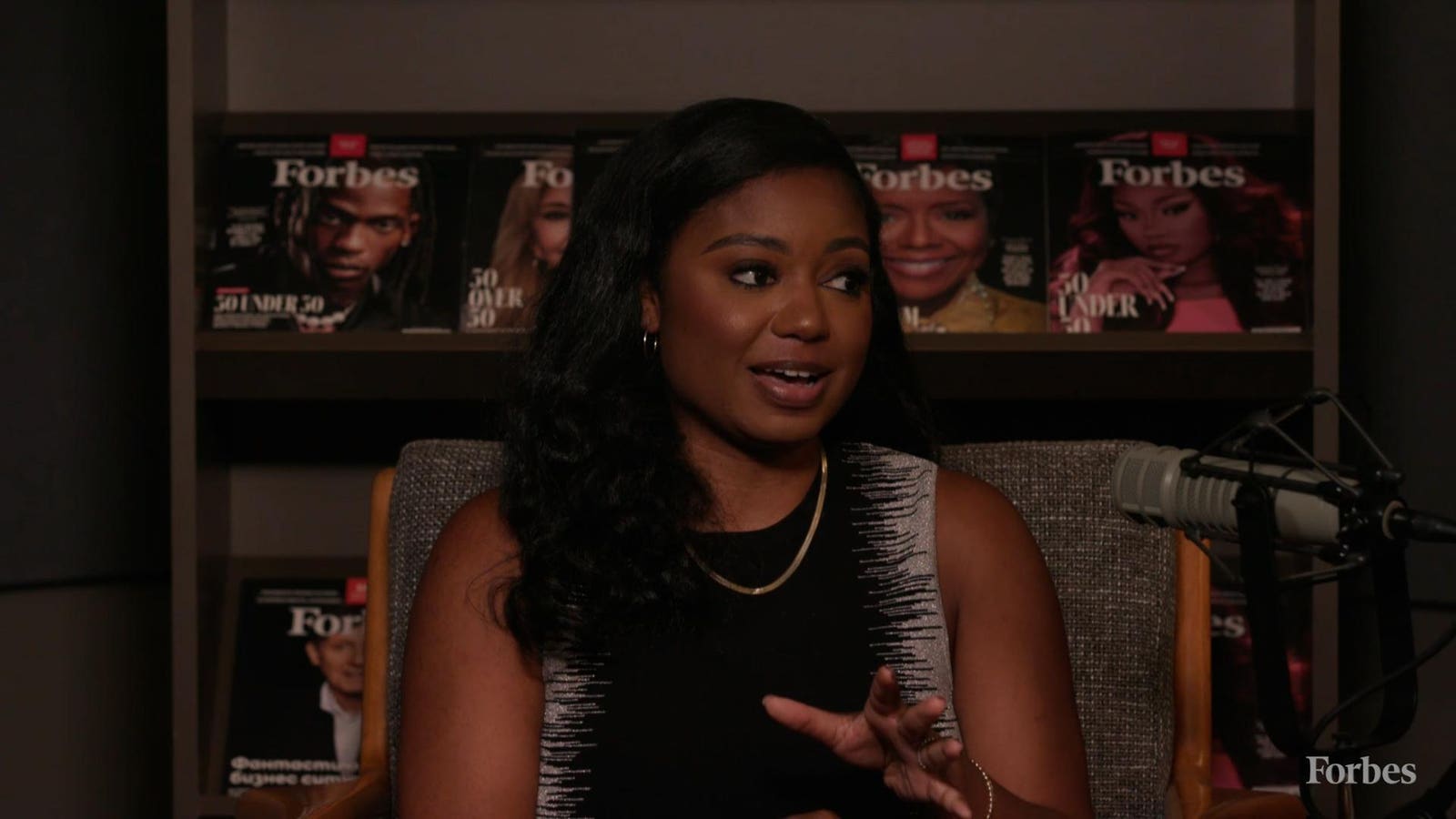
The black media landscape has undergone significant changes in recent years, with a growing demand for diverse storytelling and representation. However, despite this growth, black media outlets and creators continue to face significant challenges in accessing funding and capital. This article will explore the current state of funding in black media, who owns the story and the capital, and what this means for the future of black media.
The Current State of Black Media Funding
Black media outlets and creators face significant barriers in accessing funding and capital. Historically, black media has been underfunded and undervalued, with many outlets struggling to stay afloat. This has resulted in a lack of diversity in storytelling and representation, with many black voices and perspectives being marginalized or excluded. The current state of black media funding is characterized by a lack of investment in black-owned media outlets and a reliance on traditional funding models that often prioritize white-owned media outlets.
Barriers to Funding
There are several barriers to funding that black media outlets and creators face. These include a lack of access to traditional funding sources, such as venture capital and private equity, and a reliance on advertising revenue that is often unstable and unpredictable. Additionally, black media outlets and creators often face bias and discrimination in the funding process, with many funders prioritizing white-owned media outlets and creators. These barriers have resulted in a significant gap in funding for black media outlets and creators, with many struggling to access the capital they need to produce high-quality content.
Alternative Funding Models
In recent years, there has been a growing interest in alternative funding models that can help to address the funding gap in black media. These models include crowdfunding, community-based funding, and impact investing. Crowdfunding platforms, such as Kickstarter and Indiegogo, have provided a new way for black media outlets and creators to access funding and build a community of supporters. Community-based funding models, such as community land trusts and cooperative ownership, have also provided a new way for black media outlets and creators to access funding and build a sense of ownership and control. Impact investing, which prioritizes social and environmental impact alongside financial returns, has also provided a new way for black media outlets and creators to access funding and build a sustainable business model.
Who Owns the Story—and the Capital?
The question of who owns the story and the capital in black media is a complex one. Historically, black media has been owned and controlled by white corporations and investors, with many black voices and perspectives being marginalized or excluded. However, in recent years, there has been a growing trend towards black ownership and control of black media outlets and creators. This has resulted in a more diverse range of stories and perspectives being represented, and a greater sense of ownership and control among black media outlets and creators.
The Importance of Black Ownership
Black ownership of black media outlets and creators is crucial for ensuring that black voices and perspectives are represented and amplified. When black media outlets and creators are owned and controlled by black people, they are more likely to prioritize black stories and perspectives, and to build a sense of community and ownership among black audiences. Black ownership also provides a sense of autonomy and independence, allowing black media outlets and creators to make decisions about the types of stories they tell and the ways in which they tell them.
The Role of Investors
Investors play a critical role in shaping the black media landscape. When investors prioritize black-owned media outlets and creators, they are helping to build a more diverse and representative media ecosystem. However, when investors prioritize white-owned media outlets and creators, they are perpetuating a system of inequality and exclusion. Investors must prioritize black ownership and control of black media outlets and creators, and provide the funding and support needed to help them succeed.
Conclusion
Getting funded in black media is a complex and challenging process. Despite the growing demand for diverse storytelling and representation, black media outlets and creators continue to face significant barriers in accessing funding and capital. However, by prioritizing black ownership and control, and by exploring alternative funding models, it is possible to build a more diverse and representative media ecosystem. Ultimately, the future of black media depends on our ability to create a more equitable and just funding system, one that prioritizes black voices and perspectives and provides the capital needed to tell their stories.
FAQs
Q: What are the main barriers to funding for black media outlets and creators?
A: The main barriers to funding for black media outlets and creators include a lack of access to traditional funding sources, bias and discrimination in the funding process, and a reliance on unstable and unpredictable advertising revenue.
Q: What are some alternative funding models that can help to address the funding gap in black media?
A: Alternative funding models that can help to address the funding gap in black media include crowdfunding, community-based funding, and impact investing.
Q: Why is black ownership of black media outlets and creators important?
A: Black ownership of black media outlets and creators is important because it provides a sense of autonomy and independence, allows for a more diverse range of stories and perspectives to be represented, and helps to build a sense of community and ownership among black audiences.
Q: What role do investors play in shaping the black media landscape?
A: Investors play a critical role in shaping the black media landscape by providing the funding and support needed for black media outlets and creators to succeed. When investors prioritize black-owned media outlets and creators, they are helping to build a more diverse and representative media ecosystem.




Portable Benefits Could Fix the Gig Economy’s Biggest Problem

Ethical Reasoning Has Become a Core Workplace Skill and Training Programs Are Missing It

Stakeholder Pressure on CEOs Has Reached a Breaking Point

Identity Resilience at Work and Why It Matters More Than Grit

The Revenge of Middle Management and Why Organizations Should Pay Attention

First-Generation Professionals Face a Different Workplace and Nobody Prepares Them for It

Small Business Survival in Underserved Communities Needs More Than Microloans

Aging Populations are Reshaping Labor Markets Faster Than Policy Can Respond

How Emotional Intelligence Can Help You Manage Stress and Build Resilience

Interview with Dr. Kristy K. Taylor, WORxK Global News Magazine Founder

Sarah Herrlinger Talks AirPods Pro Hearing Aid

Unlocking Human Potential: Kim Groshek’s Journey to Transforming Leadership and Stress Resilience

NetWork Your Way to Success: Top Tips for Maximizing Your Professional Network

The Power of Belonging: Why Feeling Accepted Matters in the Workplace

Health-care stocks fall after Warren PBM bill, Brian Thompson shooting

Glenda Benevides: Creating Global Impact Through Music
-
 Resiliency1 year ago
How Emotional Intelligence Can Help You Manage Stress and Build Resilience
-
 Career Advice2 years ago
Interview with Dr. Kristy K. Taylor, WORxK Global News Magazine Founder
-
 Diversity and Inclusion (DEIA)2 years ago
Sarah Herrlinger Talks AirPods Pro Hearing Aid
-
 Changemaker Interviews2 years ago
Unlocking Human Potential: Kim Groshek’s Journey to Transforming Leadership and Stress Resilience
-
 Career Advice2 years ago
NetWork Your Way to Success: Top Tips for Maximizing Your Professional Network
-
 Diversity and Inclusion (DEIA)2 years ago
The Power of Belonging: Why Feeling Accepted Matters in the Workplace
-
 Global Trends and Politics2 years ago
Health-care stocks fall after Warren PBM bill, Brian Thompson shooting
-
 Changemaker Interviews2 years ago
Glenda Benevides: Creating Global Impact Through Music