
Innovation and Technology
When We Stop Taking, the Ocean Starts Giving Back

We’re drowning in climate headlines. Every week brings more reports about disappearing species, collapsing ecosystems, or yet another environmental tipping point. It’s exhausting. And it’s easy to feel like the damage is too big, too complex, or too far gone to fix.
The Power of Ocean with David Attenborough
That’s what makes Ocean with David Attenborough—the new documentary directed by Toby Nowlan and narrated by Sir David Attenborough—so powerful. It doesn’t offer false comfort or vague inspiration. It presents a clear, science-backed message: the ocean is more resilient than we thought, and protecting it is the most powerful thing we can do right now to restore the health of the planet.
The Ocean Bounces Back—Fast
Dr. Enric Sala has spent the last 15 years proving that point. Once a university professor, Sala left academia after realizing he was spending his days documenting the slow death of the sea. He now leads National Geographic’s Pristine Seas initiative, which combines exploration, policy, science, and storytelling to create marine protected areas (MPAs) around the world. So far, his team has helped establish 29 of them—covering an area larger than the Amazon rainforest.
Findings and Implications
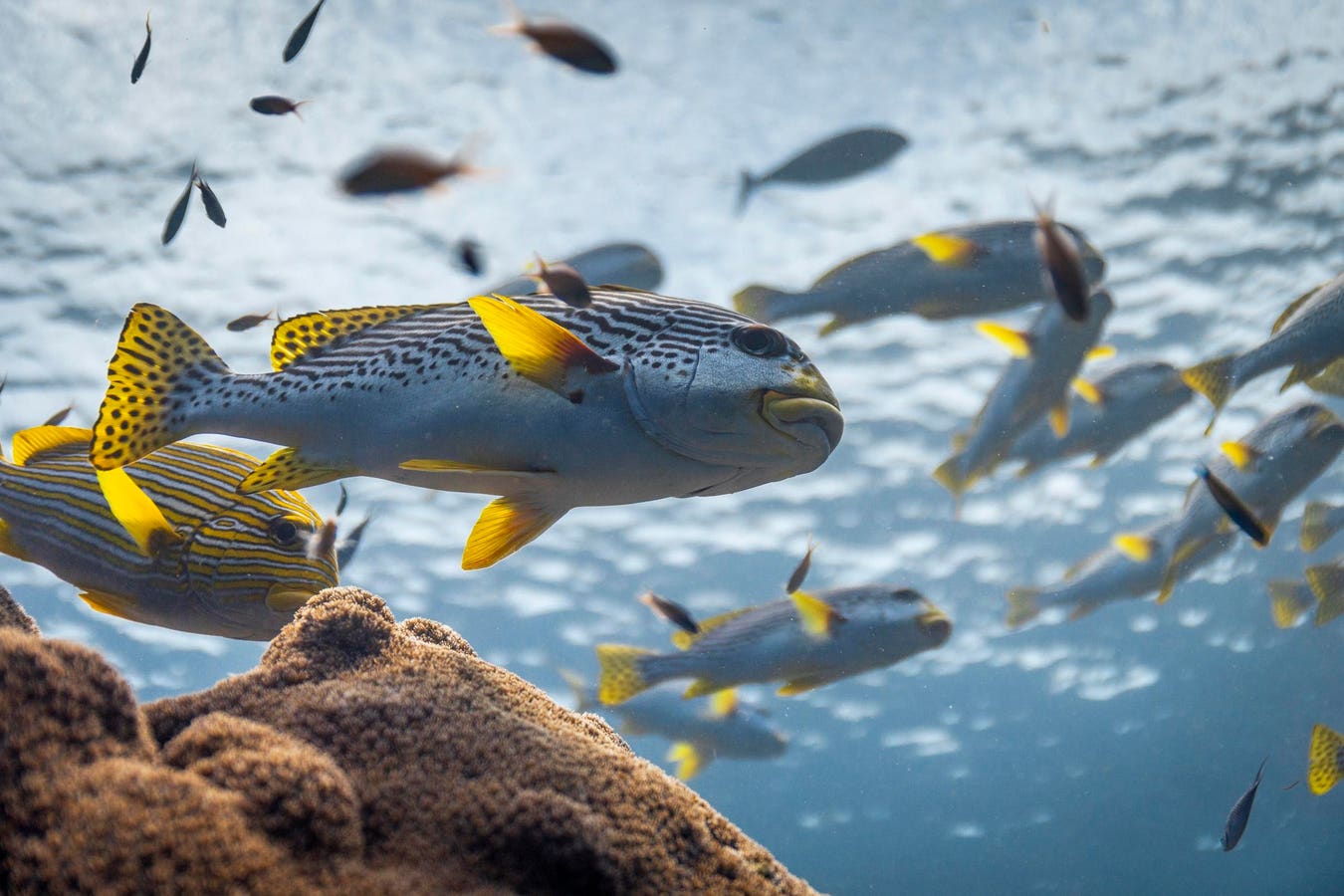
The findings so far are staggering. Fully protected marine reserves quickly regenerate. Fish populations can increase fivefold. Coral reefs damaged by bleaching events often recover in a few short years—if given the chance. These aren’t isolated pockets of recovery. From the Southern Line Islands to the coasts of California, the pattern is the same: when you stop taking, the ocean gives back.
The 30×30 Goal: Ambitious, But Possible
Despite these results, just 3% of the global ocean is fully protected today. Scientists say we need to protect at least 30%—both land and sea—by 2030 to maintain a livable planet. That 30×30 goal has been endorsed by governments, conservationists, and NGOs around the world. But Ocean isn’t a policy documentary. It’s not filled with charts and legislative jargon. It uses stunning visuals and emotional storytelling to make the science real—and personal.
The Film’s Message
The film’s message is direct: saving the ocean isn’t just a climate issue. It’s a life support issue. Half of the oxygen we breathe comes from the sea. The ocean regulates temperature, absorbs carbon, and feeds billions. If it collapses, it will have a cascading effect that collapses everything else with it.
One Clear Solution—Not a Laundry List
One thing that makes Ocean different from other environmental films is its focus on a single, proven action. While many documentaries leave viewers overwhelmed with advice—buy local, drive less, eat plant-based—Ocean makes a case for one big move: expand marine protection. “We wanted to focus on one solution,” Sala explained. “There is one proven solution that works everywhere… that actually can be applied by governments, by communities, by anybody.”
Why This Story Needed David Attenborough
The film is also shaped by director Toby Nowlan, whose credits include Planet Earth II and Our Planet. Nowlan has spent two decades filming the rarest, most vulnerable wildlife on Earth—including securing the best footage ever captured of the critically endangered Javan rhino. With Ocean, he wanted to make one message stick: protecting the sea works. It’s not theory. It’s happening now. That’s why having Attenborough narrate the film matters. His voice has become a universal symbol of trust in nature storytelling. His presence here elevates the message, giving it weight at a time when public trust is rare and essential.
A Call to Protect Our “Ocean Backyard”
One of the moments that stuck with me most in our conversation was Sala’s reminder that this isn’t just about the Arctic or the Great Barrier Reef. “If you live on the coast, you can be the person who leads your community to protect your ocean backyard,” he said. That line matters. It reframes the ocean as not just a remote wilderness, but a shared resource that touches every life—no matter where we live.
Conclusion
We don’t need another film telling us how bad things are. We need stories that show us how to fix it. Ocean with David Attenborough does exactly that. It’s beautiful, emotional, and urgent—but also deeply practical. The science is real. The path is clear. And the results are already visible in every corner of the sea that’s been given time to heal. If governments follow through on the 30×30 promise—and if communities join the push—we could see the greatest comeback story the natural world has ever told. And it starts with protecting what’s below the surface. Check out Ocean with David Attenborough for yourself. It is available now to stream on Disney+ and Hulu.
FAQs
- Q: What is the main message of Ocean with David Attenborough?
A: The main message is that the ocean is more resilient than we thought, and protecting it is the most powerful thing we can do to restore the planet’s health. - Q: What is the 30×30 goal?
A: The 30×30 goal is to protect at least 30% of the global ocean and land by 2030 to maintain a livable planet. - Q: How can individuals contribute to ocean protection?
A: Individuals can contribute by supporting legislation, raising awareness, and protecting local waters, especially if they live in coastal communities. - Q: Where can I watch Ocean with David Attenborough?
A: Ocean with David Attenborough is available to stream on Disney+ and Hulu.




Portable Benefits Could Fix the Gig Economy’s Biggest Problem

Ethical Reasoning Has Become a Core Workplace Skill and Training Programs Are Missing It

Stakeholder Pressure on CEOs Has Reached a Breaking Point

Identity Resilience at Work and Why It Matters More Than Grit

The Revenge of Middle Management and Why Organizations Should Pay Attention

First-Generation Professionals Face a Different Workplace and Nobody Prepares Them for It

Small Business Survival in Underserved Communities Needs More Than Microloans

Aging Populations are Reshaping Labor Markets Faster Than Policy Can Respond

How Emotional Intelligence Can Help You Manage Stress and Build Resilience

Interview with Dr. Kristy K. Taylor, WORxK Global News Magazine Founder

Sarah Herrlinger Talks AirPods Pro Hearing Aid

Unlocking Human Potential: Kim Groshek’s Journey to Transforming Leadership and Stress Resilience

NetWork Your Way to Success: Top Tips for Maximizing Your Professional Network

The Power of Belonging: Why Feeling Accepted Matters in the Workplace

Health-care stocks fall after Warren PBM bill, Brian Thompson shooting

Glenda Benevides: Creating Global Impact Through Music
-
 Resiliency1 year ago
How Emotional Intelligence Can Help You Manage Stress and Build Resilience
-
 Career Advice2 years ago
Interview with Dr. Kristy K. Taylor, WORxK Global News Magazine Founder
-
 Diversity and Inclusion (DEIA)2 years ago
Sarah Herrlinger Talks AirPods Pro Hearing Aid
-
 Changemaker Interviews2 years ago
Unlocking Human Potential: Kim Groshek’s Journey to Transforming Leadership and Stress Resilience
-
 Career Advice2 years ago
NetWork Your Way to Success: Top Tips for Maximizing Your Professional Network
-
 Diversity and Inclusion (DEIA)2 years ago
The Power of Belonging: Why Feeling Accepted Matters in the Workplace
-
 Global Trends and Politics2 years ago
Health-care stocks fall after Warren PBM bill, Brian Thompson shooting
-
 Changemaker Interviews2 years ago
Glenda Benevides: Creating Global Impact Through Music