
Diversity and Inclusion (DEIA)
Navigating Change With Compassion

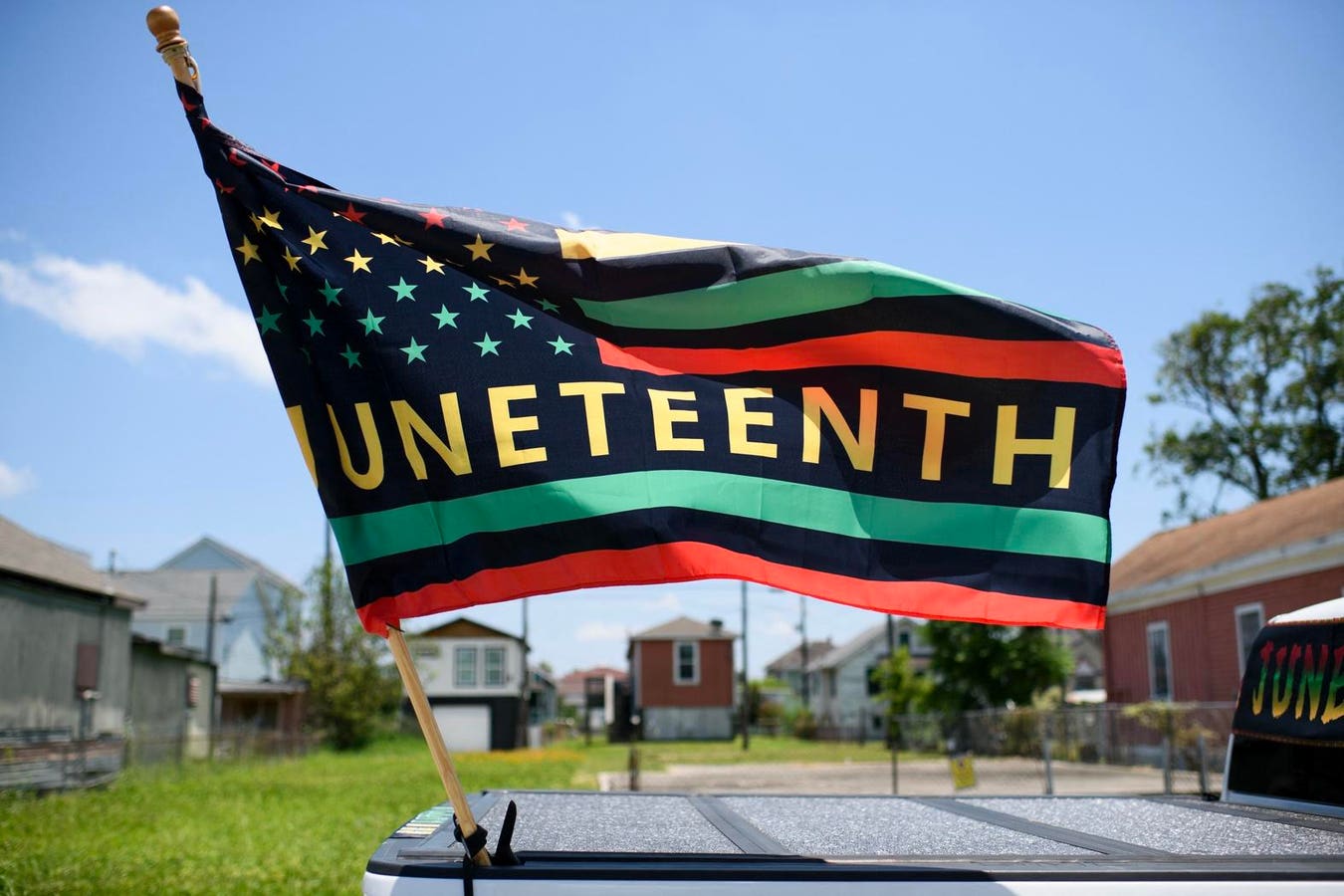
Introduction to Juneteenth
Juneteenth represents the historic emancipation day for enslaved people who gained their freedom on June 19, 1865, two years after the Emancipation Proclamation was signed. Fast-forward to 2021, when Juneteenth became a federal holiday, many organizations and leaders grappled with how to observe the day then and in the future. A survey showed that 40% of large organizations made space for Juneteenth. Those committed to inclusion have persevered while creating new memories around Juneteenth. Given the diversity and inclusion challenges we now face in 2025, the experience of Juneteenth will undoubtedly vary. This article will highlight an example of how one CEO acknowledges Juneteenth and provide tips on how inclusive leaders can authentically observe the holiday.
An Example of Bold Leadership Commitment to Juneteenth
Penzeys Spices is on a mission to make the world a better place. I recently received an email from Bill Penzey, CEO of Penzey’s Spices. I have long appreciated the organization’s commitment to inclusion. Today’s message highlighted the importance of Juneteenth. It stood out because there’s not a lot of retail hoopla around Juneteenth sales in my region. The message boldly confronts injustice and racism, proclaiming that Black Lives Still Matter. We need to see more of this bold leadership when advocating for inclusion. In the past, I have dubbed Penzey’s as an Inclusion Hero of the Week. The article feedback was mostly positive, and I received messages from those who disagreed with the designation. Varied perspectives will also show up in the workplace. Not everyone will believe in the importance and priority of Juneteenth. That is expected because each individual is at a different place on the inclusive leadership journey.
Juneteenth Challenges
The new administration in the White House has pushed for changes around diversity, equity, and inclusion. Traces of Juneteenth proclamations and celebrations have vanished or archived. Since leadership sets the tone, many organizations have tweaked Juneteenth plans. As such, employees committed to inclusion will face more challenges in the broader adoption of Juneteenth in the workplace.
Tips to Support Inclusive Leaders in Acknowledging and Supporting Juneteenth
Inclusive leaders can take several steps to authentically observe Juneteenth.
1. Acknowledge Juneteenth
Acknowledge Juneteenth and have some fun with it. How? Participate in workplace programming activities, local libraries, or community organizations. Juneteenth activities are available for those intentionally seeking to participate and learn. If the organization hasn’t prioritized Juneteenth, consider being the trailblazer, creating a more inclusive space. Start small with a lunch and learn activity for the leadership team that’s low-cost but significant. Leaders set the tone, so showing inclusion and commitment will encourage team members to follow suit. When a leader acknowledges Juneteenth, the action provides deep meaning for impacted parties. It signals sponsorship and advocacy support that sometimes needs those in higher positions to help advance organizational changes. Leaders don’t have to be the experts on Juneteenth because there are many nuances around sensitivities of the topic of slavery, reparations, and more. However, it does mean there’s a commitment to inclusion that the leader is willing to make and take a stand for.
2. Commit to Personal Changes
Please pay attention to language and ensure it’s inclusive. Additionally, be self-aware of body language and words related to Juneteenth’s historical significance. For example, if courageous conversations about the impact of slavery in today’s workplace cause discomfort, additional resources may be required to strengthen the leader’s toolkit. These suggested actions help leaders build more meaningful relationships with employees.
3. Revisit Company Data
Connecting with the organization’s resource groups can help build awareness around cultural significance. These stakeholders can share impactful lived experiences and ideas to help leadership get involved. The key is being open to learning and leveraging mentoring through these groups. Additionally, engagement survey data can provide insights into the experiences of employee groups. If the data is unavailable, consider upgrading survey questions to gain insights into what actions employees want organizations to take around acknowledging and celebrating Juneteenth.
Conclusion
Juneteenth is a significant holiday that marks the emancipation of enslaved people in the United States. Inclusive leaders can play a crucial role in acknowledging and supporting Juneteenth by taking steps such as acknowledging the holiday, committing to personal changes, and revisiting company data. By doing so, leaders can help create a more inclusive and equitable work environment that values and respects the experiences of all employees.
FAQs
Q: What is Juneteenth?
A: Juneteenth is a federal holiday that commemorates the emancipation of enslaved people in the United States on June 19, 1865.
Q: Why is it important to acknowledge Juneteenth?
A: Acknowledging Juneteenth is important because it shows a commitment to inclusion and respect for the experiences of African American employees and communities.
Q: How can leaders authentically observe Juneteenth?
A: Leaders can authentically observe Juneteenth by acknowledging the holiday, committing to personal changes, and revisiting company data to better understand the experiences of their employees.
Q: What are some challenges that employees may face in observing Juneteenth?
A: Employees may face challenges such as lack of support from leadership, limited resources, and varying perspectives on the importance of Juneteenth.
Q: How can organizations support employees in observing Juneteenth?
A: Organizations can support employees by providing resources, education, and opportunities for engagement and celebration, as well as creating a safe and inclusive environment for employees to share their experiences and perspectives.




Portable Benefits Could Fix the Gig Economy’s Biggest Problem

Ethical Reasoning Has Become a Core Workplace Skill and Training Programs Are Missing It

Stakeholder Pressure on CEOs Has Reached a Breaking Point

Identity Resilience at Work and Why It Matters More Than Grit

The Revenge of Middle Management and Why Organizations Should Pay Attention

First-Generation Professionals Face a Different Workplace and Nobody Prepares Them for It

Small Business Survival in Underserved Communities Needs More Than Microloans

Aging Populations are Reshaping Labor Markets Faster Than Policy Can Respond

How Emotional Intelligence Can Help You Manage Stress and Build Resilience

Interview with Dr. Kristy K. Taylor, WORxK Global News Magazine Founder

Sarah Herrlinger Talks AirPods Pro Hearing Aid

Unlocking Human Potential: Kim Groshek’s Journey to Transforming Leadership and Stress Resilience

NetWork Your Way to Success: Top Tips for Maximizing Your Professional Network

The Power of Belonging: Why Feeling Accepted Matters in the Workplace

Health-care stocks fall after Warren PBM bill, Brian Thompson shooting

Glenda Benevides: Creating Global Impact Through Music
-
 Resiliency1 year ago
How Emotional Intelligence Can Help You Manage Stress and Build Resilience
-
 Career Advice2 years ago
Interview with Dr. Kristy K. Taylor, WORxK Global News Magazine Founder
-
 Diversity and Inclusion (DEIA)2 years ago
Sarah Herrlinger Talks AirPods Pro Hearing Aid
-
 Changemaker Interviews2 years ago
Unlocking Human Potential: Kim Groshek’s Journey to Transforming Leadership and Stress Resilience
-
 Career Advice2 years ago
NetWork Your Way to Success: Top Tips for Maximizing Your Professional Network
-
 Diversity and Inclusion (DEIA)2 years ago
The Power of Belonging: Why Feeling Accepted Matters in the Workplace
-
 Global Trends and Politics2 years ago
Health-care stocks fall after Warren PBM bill, Brian Thompson shooting
-
 Changemaker Interviews2 years ago
Glenda Benevides: Creating Global Impact Through Music