
Diversity and Inclusion (DEIA)
Beyoncé’s Shirt Controversy Teaches Marketers A Lesson

Introduction to the Controversy
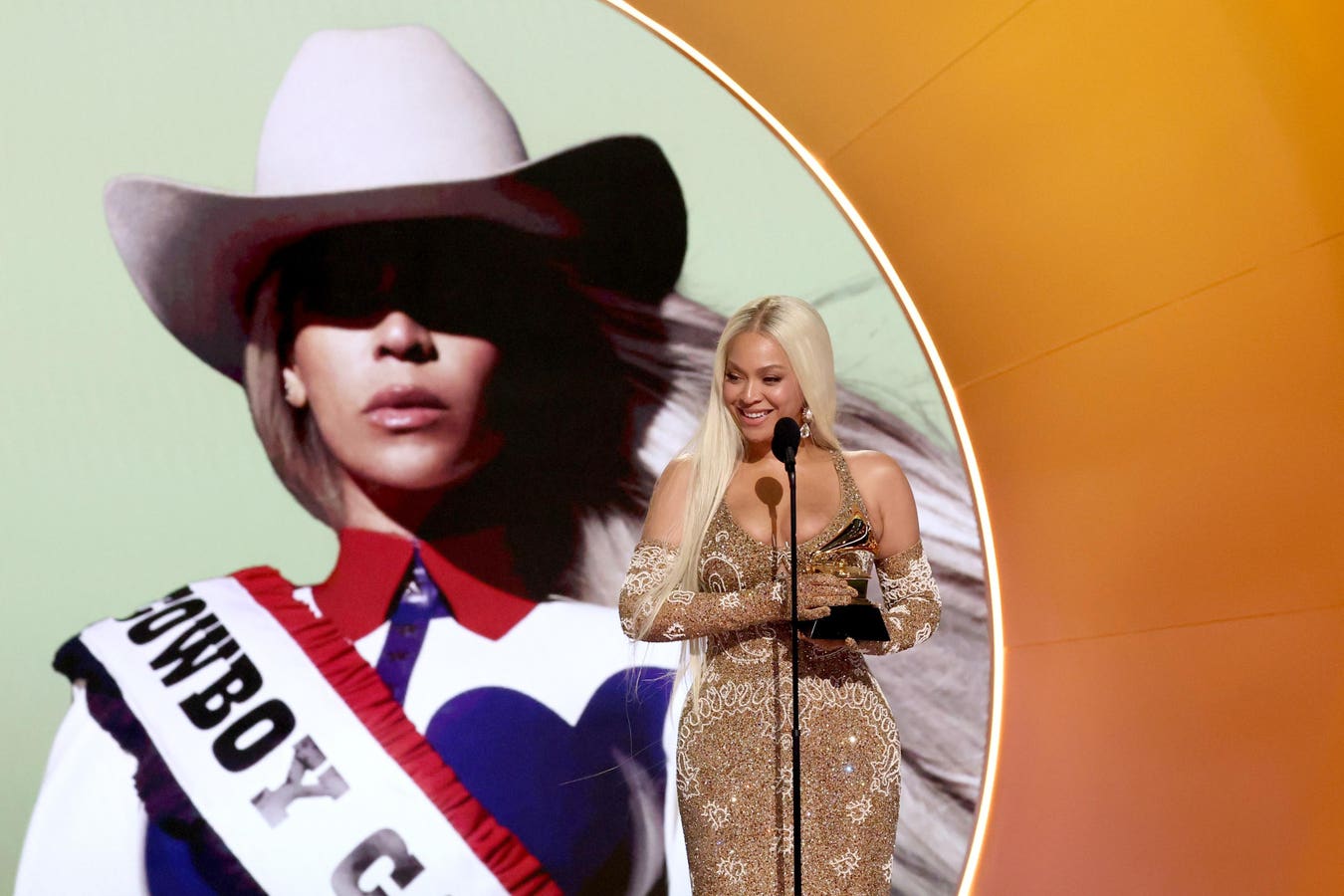
Beyoncé performed during night one of her stint in Paris for her Cowboy Carter tour on Juneteenth. During the show, she wore a shirt that said “Buffalo Soldiers” with an image that depicted the all Black regiment in the U.S. military in the time period after the Civil War. On her website, Beyoncé shows images of the shirt, along with an excerpt from the book The Buffalo Soldiers: A Narrative of the Black Cavalry in the West that gives a brief overview of who the Buffalo Soldiers were, and what this often forgotten group achieved.
The History of the Buffalo Soldiers
The Buffalo Soldiers were a group of African American soldiers who served in the U.S. military after the Civil War. They played a significant role in the country’s history, but their legacy is complex and nuanced. The excerpt on Beyoncé’s shirt explains that the Buffalo Soldiers fought against "the enemies of peace, order and settlement: warring Indians, bandits, cattle thieves, murderous gunmen, bootleggers, tresspassers, and Mexican revolutionaries."
The Controversy Surrounding the Shirt
Many critics of the shirt feel like Beyoncé is celebrating genocide of American Indians. They took particular issue with the fact that groups like American Indians and Mexican revolutionaries were described as antagonists and enemies of peace. One person wrote, “As an Indigenous person, it’s disheartening to see Beyoncé wearing a Buffalo Soldier shirt. These soldiers played a direct role in the forced removal, violence, and suppression of Native peoples. I respect her impact, but this choice hurts a lot." Another person wrote, “Agents of enforced genocide, but make it inclusive.”
Defending the Shirt
However, others are defending Beyoncé’s decision to wear the shirt. Their point of view is that the history of the Buffalo Soldiers is nuanced and complex, and that Beyoncé is shedding light on the country’s troubled and multi-layered past. One person commented on TikTok, "It’s almost like she said, ‘whole lotta red in that white and blue,’” referring to the lyrics of her hit song YaYa, which is featured on her Cowboy Carter album and current tour. Another person shared their thoughts on a different Reddit thread, “My take is probably a basic take, but is that the history of this country is ugly no matter how we show it. We get mad when we don’t show the ugliness of this country, but we get mad when we do show the ugliness of this country in a way that not spoon fed, or presented to us in a conventional way. If nuance can exist in all matter of formats then it should exist when it comes to this.”
Key Takeaways for Marketers
One of the things Beyoncé is known for is the details, intentionality, and cultural intelligence associated with many of the decisions she makes with regard to her music, shows, and art. However, even though many people who are troubled by her wearing the shirt, they likely won’t get the context they desire from her explaining why she did it. The explanation on the back of the shirt caused harm to people, and the lack of context with the point she was making left too many people to determine meaning on their own. Anytime you are communicating about something that has the potential to cause harm, it is essential to provide sufficient context so people on the receiving end of your message clearly understand your meaning and intent.
Cultural Intelligence and Context
Cultural intelligence is a must for marketers. Consumers are growing less tolerant of brands apologizing for making culturally inappropriate mistakes and chalking it up to ignorance about the negative impact it has on people. Incorporating culturally relevant messages and imagery into your marketing is a smart idea, but doing so without cultural intelligence and context can cause more harm than good. Marketers have a duty to stay up to date on changes in language and narratives over time. The book that the controversial excerpt on Beyoncé’s shirt came from was first published in the 1960s, and how we think about and talk about historical events and people from marginalized communities today is not the same as it was during that time period.
Anticipating Objections and Negative Responses
One last practice marketers should consider is taking the time to anticipate what types of objections and negative responses might come from something they are producing. Even when you are operating with context, communicating with the people you serve, and engaging in cultural intelligence, it is still essential to ask important questions about (or even do testing where possible) to gauge in advance how different people from various identities will respond to work you produce. Doing this will give you the insights you need to make any changes you need beforehand and minimize the likelihood of being surprised by how people respond to your marketing.
Conclusion
Beyoncé’s decision to wear a Buffalo Soldier shirt has sparked controversy and debate. While some people see it as a celebration of African American history and culture, others see it as a celebration of genocide and violence against Native Americans. Marketers can learn from this controversy by providing sufficient context, being culturally intelligent, and anticipating objections and negative responses. By doing so, they can avoid causing harm and ensure that their marketing efforts are respectful and effective.
FAQs
Q: What is the controversy surrounding Beyoncé’s Buffalo Soldier shirt?
A: The controversy surrounds the fact that the shirt describes American Indians and Mexican revolutionaries as "enemies of peace, order and settlement," which some people see as a celebration of genocide and violence.
Q: Why are some people defending Beyoncé’s decision to wear the shirt?
A: Some people are defending Beyoncé’s decision because they see the history of the Buffalo Soldiers as nuanced and complex, and believe that she is shedding light on the country’s troubled and multi-layered past.
Q: What can marketers learn from this controversy?
A: Marketers can learn the importance of providing sufficient context, being culturally intelligent, and anticipating objections and negative responses when creating marketing campaigns.
Q: How can marketers avoid causing harm with their marketing efforts?
A: Marketers can avoid causing harm by being respectful, culturally intelligent, and aware of the potential impact of their marketing efforts on different groups of people.




Portable Benefits Could Fix the Gig Economy’s Biggest Problem

Ethical Reasoning Has Become a Core Workplace Skill and Training Programs Are Missing It

Stakeholder Pressure on CEOs Has Reached a Breaking Point

Identity Resilience at Work and Why It Matters More Than Grit

The Revenge of Middle Management and Why Organizations Should Pay Attention

First-Generation Professionals Face a Different Workplace and Nobody Prepares Them for It

Small Business Survival in Underserved Communities Needs More Than Microloans

Aging Populations are Reshaping Labor Markets Faster Than Policy Can Respond

How Emotional Intelligence Can Help You Manage Stress and Build Resilience

Interview with Dr. Kristy K. Taylor, WORxK Global News Magazine Founder

Sarah Herrlinger Talks AirPods Pro Hearing Aid

Unlocking Human Potential: Kim Groshek’s Journey to Transforming Leadership and Stress Resilience

NetWork Your Way to Success: Top Tips for Maximizing Your Professional Network

The Power of Belonging: Why Feeling Accepted Matters in the Workplace

Health-care stocks fall after Warren PBM bill, Brian Thompson shooting

Glenda Benevides: Creating Global Impact Through Music
-
 Resiliency1 year ago
How Emotional Intelligence Can Help You Manage Stress and Build Resilience
-
 Career Advice2 years ago
Interview with Dr. Kristy K. Taylor, WORxK Global News Magazine Founder
-
 Diversity and Inclusion (DEIA)2 years ago
Sarah Herrlinger Talks AirPods Pro Hearing Aid
-
 Changemaker Interviews2 years ago
Unlocking Human Potential: Kim Groshek’s Journey to Transforming Leadership and Stress Resilience
-
 Career Advice2 years ago
NetWork Your Way to Success: Top Tips for Maximizing Your Professional Network
-
 Diversity and Inclusion (DEIA)2 years ago
The Power of Belonging: Why Feeling Accepted Matters in the Workplace
-
 Global Trends and Politics2 years ago
Health-care stocks fall after Warren PBM bill, Brian Thompson shooting
-
 Changemaker Interviews2 years ago
Glenda Benevides: Creating Global Impact Through Music