
Innovation and Technology
AI Chatbots Are Rewriting Marketing—And Search Is Fading

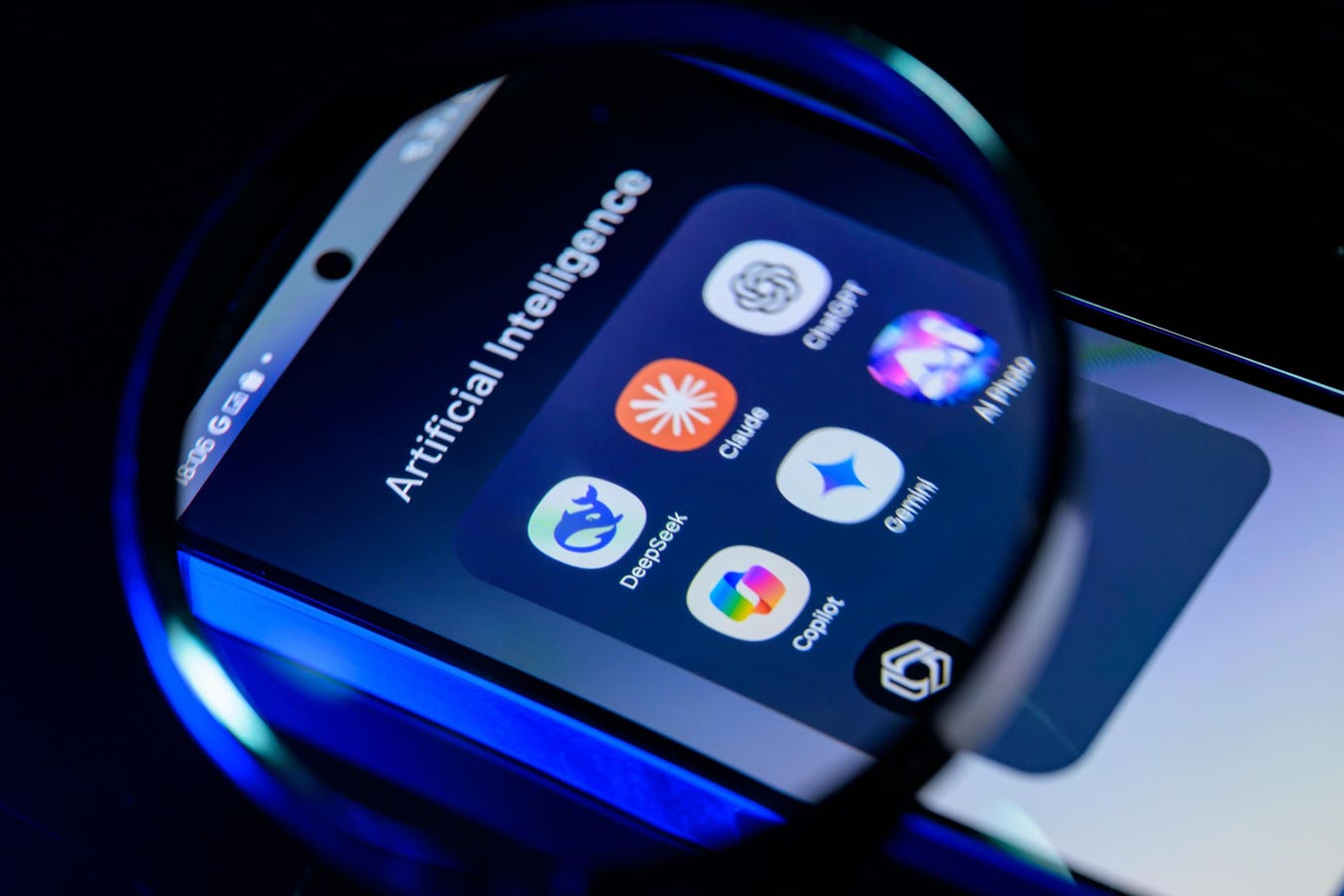
The way people search for information online is changing fast. Traditional search engines like Google are no longer the go-to for many users. Instead, consumers are increasingly relying on AI chatbots like ChatGPT and Perplexity to get direct, conversational answers—skipping search result pages altogether.
A recent Financial Times report revealed that 80% of users now complete searches without ever clicking a link. These AI tools are synthesizing information from across the web and delivering answers on the spot. That shift is cutting deeply into the $90 billion SEO industry and forcing companies to rethink how they show up in front of potential customers.
“Search is being replaced by conversations,” says one marketing exec at Cannes Lions, where tech giants like Amazon, Meta, and Google have officially displaced traditional ad agencies along the Croisette. It’s not just symbolic—it reflects a realignment of power in marketing, where data, algorithms, and AI interactions now dominate strategy.
Marketing’s New Frontier: Generative and Answer Engine Optimization
For decades, digital marketing teams obsessed over SEO—stuffing keywords into blogs, optimizing headlines, and fighting for a top spot on Google’s front page. That strategy is now rapidly losing ground to two emerging concepts: Answer Engine Optimization (AEO) and Generative Engine Optimization (GEO).
Instead of targeting search rankings, brands now aim to be referenced directly in AI-generated answers. This means crafting content that AI systems are likely to trust, cite, and recommend—whether in response to a user’s question or embedded in a chatbot conversation. As Zach Cohen of Andreessen Horowitz puts it, “How you’re encoded into the AI layer is the new competitive advantage.”
Guillermo Rauch, CEO of Vercel, reported that over 10% of his company’s new customers were referred by AI tools like ChatGPT—not by ads or search results. Tools like Brandrank.ai and Peec.ai have popped up to help companies track where and how AI chatbots mention them. Instead of measuring page views, marketers are now tracking reference rates.
AI Agents: The Rise of Autonomous Customer Journeys
We’re now entering a phase where not only are humans relying on AI to make decisions—but soon, AI agents will transact with each other on behalf of people and businesses.
Imagine a future where your personal AI assistant shops for you—comparing prices, negotiating, and completing the purchase without you ever visiting a website. At the same time, the brand’s own AI agent handles inquiries, confirms product fit, and closes the sale. No human marketing interaction needed.
According to PwC, 35% of companies are already adopting AI agents broadly, with another 17% applying them to nearly all workflows. This is no longer a hypothetical. From Anthropic to Salesforce, every major tech player is investing in autonomous agents that can interface, transact, and communicate across platforms.
This shift means companies now need to market not just to people—but to the algorithms and digital agents that act on their behalf.
Merging Marketing, Sales, and Support
AI is blurring the lines between marketing, sales, and customer service. A well-trained AI system doesn’t care about departmental silos. It simply responds to queries—whether they’re about pricing, tech specs, or return policies—with accuracy and consistency.
This convergence demands a complete restructuring of the customer experience. No more passing a customer from one department to another. The entire journey—from discovery to decision to support—happens in one smooth AI-powered conversation. It’s seamless, scalable, and available 24/7.
But to make this work, businesses need unified customer data. AI agents thrive on context. If your brand’s systems are fragmented, your AI agent won’t perform—and your customer experience will suffer.
Workforce Shifts: What Happens to the Marketer?
Unsurprisingly, the role of the marketer is evolving. A 2024 survey found that 78% of marketers believe at least 25% of their tasks will be automated in the next three years. One-third expect more than half of their work to be taken over by AI.
That’s not necessarily bad news. The rise of AI creates space for marketers to focus on strategy, ethics, storytelling, and orchestrating complex campaigns across platforms. Think of tomorrow’s marketer as part data scientist, part creative director, and part technologist.
What Still Matters: Brand and First-Party Data
In a world where AI mediates most interactions, two things still give companies an edge: brand trust and owned data.
AI models tend to prioritize well-known, reliable brands when surfacing recommendations. The more recognizable your brand, the more likely you are to show up in AI answers.
Equally important is first-party data. As cookies disappear and privacy rules tighten, having direct, consented relationships with your customers gives you the data to power better, more personalized AI experiences.
Conclusion: Adapt or Get Left Behind
The marketing landscape isn’t just shifting—it’s being rebuilt from the ground up. Search is declining. AI is rising. And customer relationships are being redefined through systems, not slogans.
Businesses that cling to outdated SEO strategies will struggle to stay relevant. Those that experiment with AI tools, retrain their teams, and restructure around unified experiences will be positioned to lead.
This isn’t a time for incremental tweaks—it’s a moment for bold reinvention. Because in the age of AI agents, it’s not just about what you sell. It’s about how your brand gets woven into the conversations and decisions happening without you.
FAQs
Q: What is Generative Engine Optimization (GEO)?
A: GEO is the process of optimizing content to be referenced in AI-generated answers, rather than traditional search results.
Q: Why is SEO losing relevance?
A: AI chatbots now deliver direct answers to users without linking out, reducing the value of traditional search rankings.
Q: How can companies prepare for AI-driven marketing?
A: Businesses should invest in AI tools, focus on building strong brands, and collect quality first-party data.
Q: Will marketers lose their jobs to AI?
A: Many tasks will be automated, but marketers who focus on strategy, creativity, and ethics will remain essential in leading AI-human collaboration.
Q: What tools help track brand mentions in AI systems?
A: Platforms like Brandrank.ai and Peec.ai help businesses monitor how often they’re cited by AI chatbots.




Portable Benefits Could Fix the Gig Economy’s Biggest Problem

Ethical Reasoning Has Become a Core Workplace Skill and Training Programs Are Missing It

Stakeholder Pressure on CEOs Has Reached a Breaking Point

Identity Resilience at Work and Why It Matters More Than Grit

The Revenge of Middle Management and Why Organizations Should Pay Attention

First-Generation Professionals Face a Different Workplace and Nobody Prepares Them for It

Small Business Survival in Underserved Communities Needs More Than Microloans

Aging Populations are Reshaping Labor Markets Faster Than Policy Can Respond

How Emotional Intelligence Can Help You Manage Stress and Build Resilience

Interview with Dr. Kristy K. Taylor, WORxK Global News Magazine Founder

Sarah Herrlinger Talks AirPods Pro Hearing Aid

Unlocking Human Potential: Kim Groshek’s Journey to Transforming Leadership and Stress Resilience

NetWork Your Way to Success: Top Tips for Maximizing Your Professional Network

The Power of Belonging: Why Feeling Accepted Matters in the Workplace

Health-care stocks fall after Warren PBM bill, Brian Thompson shooting

Glenda Benevides: Creating Global Impact Through Music
-
 Resiliency1 year ago
How Emotional Intelligence Can Help You Manage Stress and Build Resilience
-
 Career Advice2 years ago
Interview with Dr. Kristy K. Taylor, WORxK Global News Magazine Founder
-
 Diversity and Inclusion (DEIA)2 years ago
Sarah Herrlinger Talks AirPods Pro Hearing Aid
-
 Changemaker Interviews2 years ago
Unlocking Human Potential: Kim Groshek’s Journey to Transforming Leadership and Stress Resilience
-
 Career Advice2 years ago
NetWork Your Way to Success: Top Tips for Maximizing Your Professional Network
-
 Diversity and Inclusion (DEIA)2 years ago
The Power of Belonging: Why Feeling Accepted Matters in the Workplace
-
 Global Trends and Politics2 years ago
Health-care stocks fall after Warren PBM bill, Brian Thompson shooting
-
 Changemaker Interviews2 years ago
Glenda Benevides: Creating Global Impact Through Music