
Global Trends and Politics
How tariffs affect retail, Nike

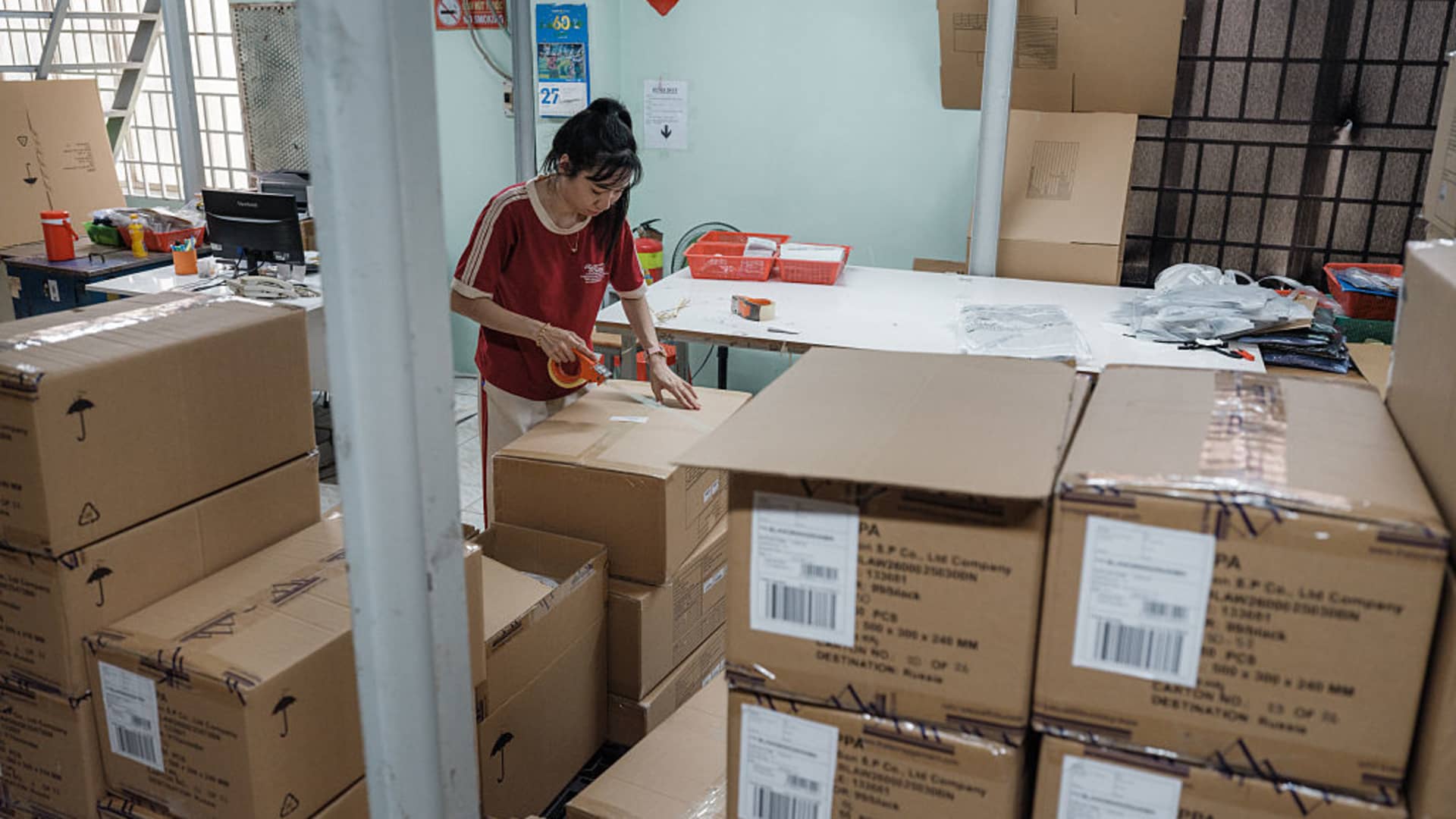
Introduction to the Vietnam Tariffs
The retail industry is breathing a sigh of relief after it appeared to avoid the worst case scenario on Vietnam tariffs. But some executives believe the tentative trade deal President Donald Trump announced Wednesday is still bad for business and could have a chilling effect on consumer spending.
Reaction from Retail Executives
"It’s a lot better news than where we were on Liberation Day," one CEO of a popular consumer brand told CNBC after Trump said tariffs on Vietnamese imports would be 20%, down from the 46% levy he proposed on April 2, then later suspended. The new rate would be double the 10% duty currently in place. Another executive called the news "bad" but agreed that a 20% tariff was better than the 46% duty Trump originally imposed, however unrealistic the proposed rate was.
Details of the Tentative Deal
Trump’s announcement on Wednesday came only days before the 90-day suspension of the steep tariffs he proposed in April expires next week, and as his administration scrambles to strike agreements with dozens of trading partners. Even so, he did not say when the deal with Vietnam would take effect, or whether both sides have agreed to the tariff rates.
Impact on the Retail Industry
In the months between Trump’s April 2 tariff rollout and his announcement on Wednesday, retail executives in the apparel and footwear industries fretted over the potential that Vietnam imports could face tariffs nearly as high as the cumulative 55% duties for Chinese imports. Over the last decade, some of America’s top retailers, including Gap, American Eagle and Nike, have all reduced their reliance on China to shield themselves from both high tariffs and the region’s geopolitical turbulence.
Shift to Vietnam and Other Countries
Many sought refuge in Vietnam, where the factories, some owned by Chinese businesses, are known to produce products at a similar quality and price as China. They also started manufacturing in other countries in southeast Asia, such as Cambodia, Bangladesh and Malaysia. Those countries were facing tariffs of 49%, 37% and 24%, respectively, under Trump’s April plan, but are subject to a 10% duty for now.
Vietnam’s Importance in the Supply Chain
Vietnam is now the second largest supplier for footwear, apparel and accessories sold into the U.S. market, according to the industry trade group the American Apparel & Footwear Association. It has become an essential part of the footwear supply chain, on pace to become the largest supplier of shoes to the U.S. in 2025, according to the Footwear Distributors and Retailers of America, another industry trade group.
Relief and Concerns
If Trump’s proposed 46% tariff on Vietnam had taken effect, it would mean much of the industry’s work to leave China would have been for naught. Some companies are relieved the tentative deal would set the levy at 20% and the announcement agreement is also a sign that Cambodia, Malaysia and Bangladesh could reach similar frameworks. "Twenty percent is a sigh of relief," said Sonia Lapinsky, a partner and managing director at AlixPartners who advises fashion brands.
Price Increases and Consumer Spending
Most companies have plenty of tools to offset the impact of tariffs, such as working with their suppliers to share costs. But to avoid major hits to their profit margins, many including Nike are planning to raise prices. It’s still unclear how those hikes will affect consumer spending because it will take time for the increases to trickle down in the supply chain.
Conclusion
The tentative trade deal on Vietnam tariffs has brought relief to the retail industry, but concerns remain about the impact on consumer spending. While a 20% tariff is better than the originally proposed 46%, it still means higher prices for consumers. The industry will be watching closely to see how the deal unfolds and what it means for the future of trade with Vietnam and other countries.
FAQs
Q: What is the current tariff rate on Vietnamese imports?
A: The current tariff rate on Vietnamese imports is 10%, but a new deal proposes to increase it to 20%.
Q: How will the tariff increase affect consumer spending?
A: The tariff increase will likely lead to higher prices for consumers, which could have a chilling effect on consumer spending.
Q: Which countries are affected by the tariffs?
A: The tariffs affect Vietnam, as well as other countries in southeast Asia, including Cambodia, Bangladesh, and Malaysia.
Q: Why did companies shift their manufacturing from China to Vietnam?
A: Companies shifted their manufacturing from China to Vietnam to avoid high tariffs and geopolitical turbulence in the region.
Q: What is the significance of Vietnam in the footwear supply chain?
A: Vietnam is now the second largest supplier for footwear, apparel, and accessories sold into the U.S. market, and is on pace to become the largest supplier of shoes to the U.S. in 2025.


Portable Benefits Could Fix the Gig Economy’s Biggest Problem

Ethical Reasoning Has Become a Core Workplace Skill and Training Programs Are Missing It

Stakeholder Pressure on CEOs Has Reached a Breaking Point

Identity Resilience at Work and Why It Matters More Than Grit

The Revenge of Middle Management and Why Organizations Should Pay Attention

First-Generation Professionals Face a Different Workplace and Nobody Prepares Them for It

Small Business Survival in Underserved Communities Needs More Than Microloans

Aging Populations are Reshaping Labor Markets Faster Than Policy Can Respond

How Emotional Intelligence Can Help You Manage Stress and Build Resilience

Interview with Dr. Kristy K. Taylor, WORxK Global News Magazine Founder

Sarah Herrlinger Talks AirPods Pro Hearing Aid

Unlocking Human Potential: Kim Groshek’s Journey to Transforming Leadership and Stress Resilience

NetWork Your Way to Success: Top Tips for Maximizing Your Professional Network

The Power of Belonging: Why Feeling Accepted Matters in the Workplace

Health-care stocks fall after Warren PBM bill, Brian Thompson shooting

Glenda Benevides: Creating Global Impact Through Music
-
 Resiliency1 year ago
How Emotional Intelligence Can Help You Manage Stress and Build Resilience
-
 Career Advice2 years ago
Interview with Dr. Kristy K. Taylor, WORxK Global News Magazine Founder
-
 Diversity and Inclusion (DEIA)2 years ago
Sarah Herrlinger Talks AirPods Pro Hearing Aid
-
 Changemaker Interviews2 years ago
Unlocking Human Potential: Kim Groshek’s Journey to Transforming Leadership and Stress Resilience
-
 Career Advice2 years ago
NetWork Your Way to Success: Top Tips for Maximizing Your Professional Network
-
 Diversity and Inclusion (DEIA)2 years ago
The Power of Belonging: Why Feeling Accepted Matters in the Workplace
-
 Global Trends and Politics2 years ago
Health-care stocks fall after Warren PBM bill, Brian Thompson shooting
-
 Changemaker Interviews2 years ago
Glenda Benevides: Creating Global Impact Through Music