
Resiliency
Beyond Stress: Recognizing the Signs of Mental Health Struggles in the Workplace

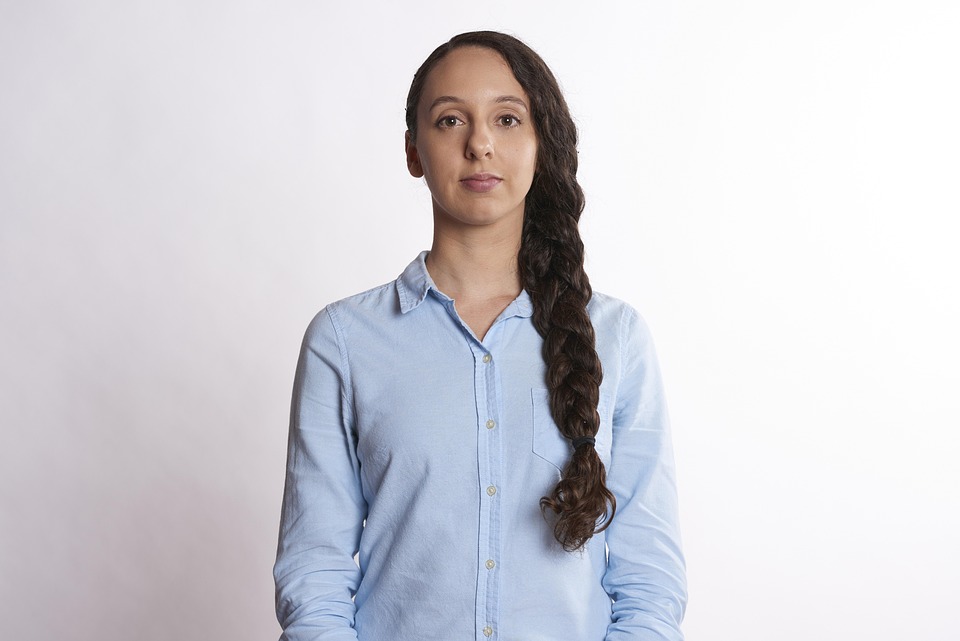
When we think of workplace wellness, we often focus on the obvious signs of burnout: long hours, high stress, and a never-ending to-do list. But what about the more subtle signs of mental health struggles that can fly under the radar? The truth is, many employees are struggling with mental health issues that go far beyond burnout, and it’s up to us to recognize the signs and offer support. In this article, we’ll explore the often-overlooked indicators of mental health struggles in the workplace and what we can do to create a more supportive and inclusive work environment.
The Prevalence of Mental Health Issues in the Workplace
Mental health issues are more common in the workplace than you might think. According to the World Health Organization (WHO), approximately 1 in 4 employees will experience a mental health issue each year, with anxiety and depression being the most common conditions. And yet, despite their prevalence, mental health issues remain shrouded in stigma, making it difficult for employees to speak openly about their struggles. This silence can have serious consequences, from decreased productivity and morale to increased turnover and absenteeism.
Recognizing the Signs of Mental Health Struggles
So, how can we recognize the signs of mental health struggles in the workplace? It’s not always easy, but there are some subtle indicators to look out for. For example, an employee who is normally punctual and reliable may start showing up late or calling in sick more frequently. Or, an employee who is typically enthusiastic and engaged may become withdrawn and isolated, avoiding meetings and social interactions. Other signs may include changes in behavior, such as increased irritability or mood swings, or physical symptoms like headaches or stomach problems.
Creating a Supportive Work Environment
So, what can we do to create a more supportive and inclusive work environment that encourages employees to speak openly about their mental health struggles? For starters, we can prioritize open communication and transparency, encouraging employees to share their concerns and feelings without fear of judgment or repercussions. We can also provide access to mental health resources, such as employee assistance programs (EAPs) or mental health days, to help employees manage their mental health and well-being. Additionally, we can promote a culture of self-care and wellness, encouraging employees to take breaks, practice mindfulness, and prioritize their physical and emotional health.
Breaking Down Stigma and Normalizing Mental Health Conversations
One of the biggest barriers to addressing mental health issues in the workplace is stigma. Many employees are afraid to speak openly about their mental health struggles, fearing that they will be viewed as weak or unreliable. But by breaking down this stigma and normalizing mental health conversations, we can create a more supportive and inclusive work environment that encourages employees to seek help when they need it. This can involve educating employees about mental health issues, promoting mental health awareness and advocacy, and encouraging leaders and managers to model healthy behaviors and prioritize their own mental health and well-being.
Conclusion
In conclusion, mental health struggles are a common and often-overlooked issue in the workplace. By recognizing the signs of mental health struggles, creating a supportive work environment, and breaking down stigma, we can help employees thrive and reach their full potential. It’s time to move beyond burnout and prioritize mental health and wellness in the workplace. By doing so, we can create a more inclusive, supportive, and productive work environment that benefits everyone – employees, employers, and the organization as a whole.


Portable Benefits Could Fix the Gig Economy’s Biggest Problem

Ethical Reasoning Has Become a Core Workplace Skill and Training Programs Are Missing It

Stakeholder Pressure on CEOs Has Reached a Breaking Point

Identity Resilience at Work and Why It Matters More Than Grit

The Revenge of Middle Management and Why Organizations Should Pay Attention

First-Generation Professionals Face a Different Workplace and Nobody Prepares Them for It

Small Business Survival in Underserved Communities Needs More Than Microloans

Aging Populations are Reshaping Labor Markets Faster Than Policy Can Respond

How Emotional Intelligence Can Help You Manage Stress and Build Resilience

Interview with Dr. Kristy K. Taylor, WORxK Global News Magazine Founder

Sarah Herrlinger Talks AirPods Pro Hearing Aid

Unlocking Human Potential: Kim Groshek’s Journey to Transforming Leadership and Stress Resilience

NetWork Your Way to Success: Top Tips for Maximizing Your Professional Network

The Power of Belonging: Why Feeling Accepted Matters in the Workplace

Health-care stocks fall after Warren PBM bill, Brian Thompson shooting

Glenda Benevides: Creating Global Impact Through Music
-
 Resiliency1 year ago
How Emotional Intelligence Can Help You Manage Stress and Build Resilience
-
 Career Advice2 years ago
Interview with Dr. Kristy K. Taylor, WORxK Global News Magazine Founder
-
 Diversity and Inclusion (DEIA)2 years ago
Sarah Herrlinger Talks AirPods Pro Hearing Aid
-
 Changemaker Interviews2 years ago
Unlocking Human Potential: Kim Groshek’s Journey to Transforming Leadership and Stress Resilience
-
 Career Advice2 years ago
NetWork Your Way to Success: Top Tips for Maximizing Your Professional Network
-
 Diversity and Inclusion (DEIA)2 years ago
The Power of Belonging: Why Feeling Accepted Matters in the Workplace
-
 Global Trends and Politics2 years ago
Health-care stocks fall after Warren PBM bill, Brian Thompson shooting
-
 Changemaker Interviews2 years ago
Glenda Benevides: Creating Global Impact Through Music