
Diversity and Inclusion (DEIA)
Why Black Women Are Disproportionately Impacted By Uterine Fibroids

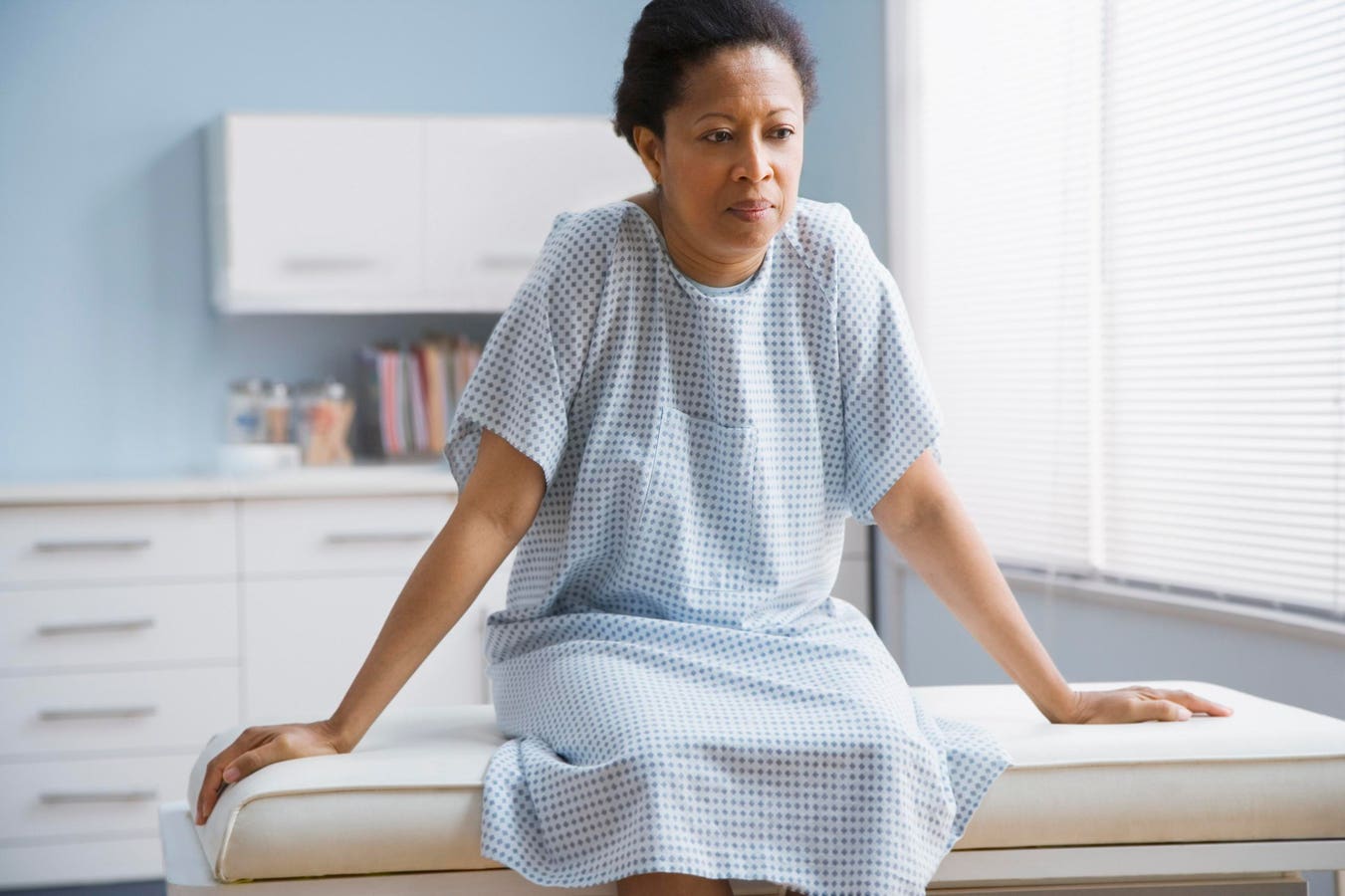
Introduction to Uterine Fibroids
Uterine fibroids are noncancerous growths in and around the uterus, and they are far more common than some women might think. A systematic review estimated that 70% to 80% of women will develop uterine fibroids in their lifetime — but Black women experience them at disproportionate rates to other races, according to past research. Fibroids are almost always noncancerous, and many people do not ever develop symptoms or need treatment, according to a review published August 2022 in Endocrine Reviews.
Prevalence and Severity of Uterine Fibroids in Black Women
Black women are three times more likely to experience uterine fibroids than women of other races. Black women also have an increased chance of having larger and multiple tumors with more severe symptoms, and are more likely to develop them earlier in life compared with women of other races. Research published in Clinical Obstetrics and Gynecology found that nearly 1 in 4 Black women between ages 18 and 30 have fibroids compared with roughly 6 percent of white women. These findings also showed that by age 35, 60 percent of Black women will have fibroids, compared with 40 percent of white women of the same age.
Symptoms of Uterine Fibroids
For those who do get symptoms, they may experience things like:
- Heavy menstrual bleeding and potentially anemia
- Pelvic pain or discomfort
- Pain during sex
- Lower back pain
- Increased urinary frequency
Some women may also experience complications during pregnancy and labor — or in rare cases, infertility.
Factors Contributing to Uterine Fibroids in Black Women
Although it isn’t entirely clear why Black women develop fibroids at a higher rate compared with other races, research has uncovered a few factors that may contribute. Those include:
Higher Levels of Chronic Stress
An accumulating body of research suggests that racism contributes to chronic stress, or allostatic load, which refers to the cumulative burden of chronic stress and life events. Chronic psychological stress was found to be associated with a risk of uterine fibroids, according to a meta-analysis of observational studies.
Exposure to Harmful Chemicals
Black women may also have an increased risk of fibroids because they disproportionately experience environmental and occupational exposures, including organic pollutants and air pollution.
Treatment Options for Uterine Fibroids
If a woman with the condition opts for treatment, there are medications that can shrink fibroids or relieve heavy menstrual bleeding, and nonsteroidal anti-inflammatory drugs (NSAIDs) may be used to help relieve pain. If medications aren’t enough, minimally invasive surgery may be used to remove the fibroids or there are procedures that can destroy the fibroids without surgery. In extreme cases, a hysterectomy can be recommended — but that should be the treatment of last resort.
Disparities in Treatment for Black Women
There is evidence that Black women may not always be offered the same treatment options compared with white women. A study published in the American Journal of Emergency Medicine that looked at management of acute pain in the ER found that Black patients were 40 percent less likely to be given medication for acute pain compared with white patients. Black women are less likely to receive minimally invasive treatment for uterine fibroids and are at least twice as likely to have a hysterectomy due to fibroids compared with white women.
Steps Towards Receiving Quality Medical Care
In most cases, uterine fibroids can be treated. However, it’s essential to find the right doctor who will help you better understand your options. Here are some tips:
- Understand your insurance and medical coverage. Become knowledgeable about what your insurance covers and which gynecologists are available in your network.
- Do your homework. Research to identify the right gynecologist for you, and be sure to ask the questions that matter most to you.
- Look for a connection. Select a provider who listens to your needs and has your best interests at heart.
Conclusion
Uterine fibroids are a common condition that can have severe symptoms and complications, especially for Black women. While the exact causes of uterine fibroids are still not fully understood, research has identified several factors that contribute to the disproportionate rates of fibroids in Black women. By understanding these factors and taking steps to receive quality medical care, women of color can work towards a successful and healthy recovery.
FAQs
Q: What are uterine fibroids?
A: Uterine fibroids are noncancerous growths in and around the uterus.
Q: How common are uterine fibroids in Black women?
A: Black women are three times more likely to experience uterine fibroids than women of other races.
Q: What are the symptoms of uterine fibroids?
A: Symptoms may include heavy menstrual bleeding, pelvic pain or discomfort, pain during sex, lower back pain, and increased urinary frequency.
Q: What are the treatment options for uterine fibroids?
A: Treatment options include medications, nonsteroidal anti-inflammatory drugs (NSAIDs), minimally invasive surgery, and procedures that can destroy the fibroids without surgery.
Q: Why are Black women less likely to receive minimally invasive treatment for uterine fibroids?
A: There is evidence that Black women may not always be offered the same treatment options compared with white women, due to disparities in healthcare.




Portable Benefits Could Fix the Gig Economy’s Biggest Problem

Ethical Reasoning Has Become a Core Workplace Skill and Training Programs Are Missing It

Stakeholder Pressure on CEOs Has Reached a Breaking Point

Identity Resilience at Work and Why It Matters More Than Grit

The Revenge of Middle Management and Why Organizations Should Pay Attention

First-Generation Professionals Face a Different Workplace and Nobody Prepares Them for It

Small Business Survival in Underserved Communities Needs More Than Microloans

Aging Populations are Reshaping Labor Markets Faster Than Policy Can Respond

How Emotional Intelligence Can Help You Manage Stress and Build Resilience

Interview with Dr. Kristy K. Taylor, WORxK Global News Magazine Founder

Sarah Herrlinger Talks AirPods Pro Hearing Aid

Unlocking Human Potential: Kim Groshek’s Journey to Transforming Leadership and Stress Resilience

NetWork Your Way to Success: Top Tips for Maximizing Your Professional Network

The Power of Belonging: Why Feeling Accepted Matters in the Workplace

Health-care stocks fall after Warren PBM bill, Brian Thompson shooting

Glenda Benevides: Creating Global Impact Through Music
-
 Resiliency1 year ago
How Emotional Intelligence Can Help You Manage Stress and Build Resilience
-
 Career Advice2 years ago
Interview with Dr. Kristy K. Taylor, WORxK Global News Magazine Founder
-
 Diversity and Inclusion (DEIA)2 years ago
Sarah Herrlinger Talks AirPods Pro Hearing Aid
-
 Changemaker Interviews2 years ago
Unlocking Human Potential: Kim Groshek’s Journey to Transforming Leadership and Stress Resilience
-
 Career Advice2 years ago
NetWork Your Way to Success: Top Tips for Maximizing Your Professional Network
-
 Diversity and Inclusion (DEIA)2 years ago
The Power of Belonging: Why Feeling Accepted Matters in the Workplace
-
 Global Trends and Politics2 years ago
Health-care stocks fall after Warren PBM bill, Brian Thompson shooting
-
 Changemaker Interviews2 years ago
Glenda Benevides: Creating Global Impact Through Music