
Global Trends and Politics
Eli Lilly’s Mounjaro shows similar heart health benefits as Trulicity

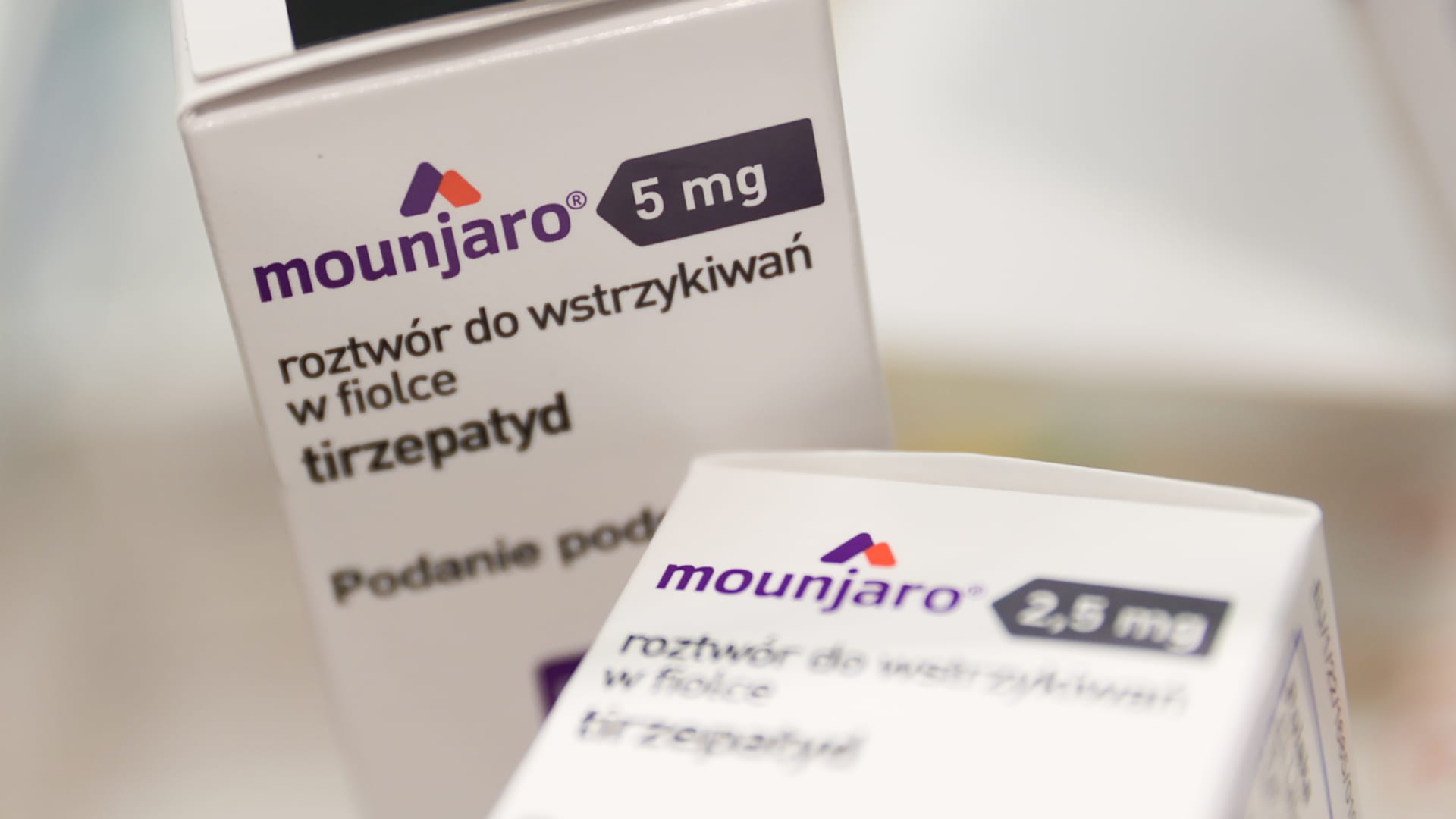
Introduction to Mounjaro
Eli Lilly on Thursday said its blockbuster diabetes drug Mounjaro showed heart health benefits in a late-stage trial directly comparing it to the company’s older diabetes treatment, Trulicity. Mounjaro met the study’s main goal of showing that it wasn’t any worse than Trulicity at treating people with Type 2 diabetes and established cardiovascular disease. Eli Lilly said it believes the new data bolsters the case for Mounjaro to be prescribers’ first choice for patients with Type 2 diabetes, who are twice as likely to have heart disease or stroke as those without the disease.
Trial Results
The results come as Trulicity – also a top-selling drug for Eli Lilly – faces a patent expiration in 2027, which could further boost Mounjaro’s position in the diabetes market. Mounjaro met the main goal of the nearly five-year study, reducing the risk of cardiovascular death, heart attack or stroke by 8% when compared to Trulicity in adults with Type 2 diabetes and cardiovascular disease. But the results did not meet some analysts’ benchmarks for being considered superior to Trulicity.
Comprehensive Benefits
Still, the company said Mounjaro showed additional, "more comprehensive" benefits over Trulicity in the trial, including a 16% lower rate of death from any cause and greater kidney protection. It was the longest and largest trial to date on tirzepatide, the active ingredient in Mounjaro, enrolling more than 13,000 people.
Clinician Reactions
Some clinicians said the results, particularly the lowered risk of cardiovascular events, aren’t surprising, as they assumed Mounjaro would be able to offer cardiovascular benefits. But the difference in the rate of death from any cause between Mounjaro and Trulicity is "really quite profound" and "definitely something clinically meaningful to us as clinicians," said Dr. David Broome, clinical assistant professor at the department of internal medicine’s metabolism, endocrinology and diabetes division at the University of Michigan.
Prescribing Decisions
He said the data helped quantify the difference between Mounjaro and Trulicity, which will further help providers and patients determine the best treatment to move forward with in their shared decision-making. Broome said those prescribing decisions between patients and providers will ultimately depend on several factors, such as their insurance coverage, the side effects of a given drug and how well the patient tolerates them.
Market Implications
The results also come as Eli Lilly solidifies its lead over Novo Nordisk in the booming market for weight loss and diabetes drugs. Studies from both companies have shown the added health benefits of their drugs for conditions such as obstructive sleep apnea and chronic kidney disease. Eli Lilly plans to submit the heart health data to global regulators by the end of the year, and the company said that could lead to approvals — and by extension insurance coverage — of Mounjaro for this purpose in 2026.
Future Approvals
Any approvals would not apply to Eli Lilly’s weight loss drug Zepbound, which shares the same active ingredient as Mounjaro but is specifically cleared for patients with obesity and not diabetes. The company is currently studying Zepbound’s cardiovascular benefits in patients with obesity and established cardiovascular disease. The phase three trial is expected to wrap up in 2027, according to Eli Lilly’s website.
Conclusion
In conclusion, the trial results show that Mounjaro has heart health benefits and may be a better choice for patients with Type 2 diabetes and established cardiovascular disease. The results also solidify Eli Lilly’s lead in the diabetes market and may lead to future approvals and insurance coverage for Mounjaro.
FAQs
Q: What is Mounjaro and what is it used for?
A: Mounjaro is a diabetes drug manufactured by Eli Lilly and Company, used to treat Type 2 diabetes and established cardiovascular disease.
Q: What were the results of the trial comparing Mounjaro to Trulicity?
A: The trial showed that Mounjaro reduced the risk of cardiovascular death, heart attack or stroke by 8% compared to Trulicity, and also had a 16% lower rate of death from any cause and greater kidney protection.
Q: What do clinicians think about the trial results?
A: Clinicians believe the results are promising and show that Mounjaro may be a better choice for patients with Type 2 diabetes and established cardiovascular disease.
Q: Will the trial results lead to future approvals and insurance coverage for Mounjaro?
A: Yes, Eli Lilly plans to submit the heart health data to global regulators by the end of the year, which could lead to approvals and insurance coverage for Mounjaro in 2026.
Q: How does Mounjaro compare to other diabetes drugs on the market?
A: Mounjaro has shown comprehensive benefits over Trulicity, including a lower rate of death from any cause and greater kidney protection, solidifying Eli Lilly’s lead in the diabetes market.


Portable Benefits Could Fix the Gig Economy’s Biggest Problem

Ethical Reasoning Has Become a Core Workplace Skill and Training Programs Are Missing It

Stakeholder Pressure on CEOs Has Reached a Breaking Point

Identity Resilience at Work and Why It Matters More Than Grit

The Revenge of Middle Management and Why Organizations Should Pay Attention

First-Generation Professionals Face a Different Workplace and Nobody Prepares Them for It

Small Business Survival in Underserved Communities Needs More Than Microloans

Aging Populations are Reshaping Labor Markets Faster Than Policy Can Respond

How Emotional Intelligence Can Help You Manage Stress and Build Resilience

Interview with Dr. Kristy K. Taylor, WORxK Global News Magazine Founder

Sarah Herrlinger Talks AirPods Pro Hearing Aid

Unlocking Human Potential: Kim Groshek’s Journey to Transforming Leadership and Stress Resilience

NetWork Your Way to Success: Top Tips for Maximizing Your Professional Network

The Power of Belonging: Why Feeling Accepted Matters in the Workplace

Health-care stocks fall after Warren PBM bill, Brian Thompson shooting

Glenda Benevides: Creating Global Impact Through Music
-
 Resiliency1 year ago
How Emotional Intelligence Can Help You Manage Stress and Build Resilience
-
 Career Advice2 years ago
Interview with Dr. Kristy K. Taylor, WORxK Global News Magazine Founder
-
 Diversity and Inclusion (DEIA)2 years ago
Sarah Herrlinger Talks AirPods Pro Hearing Aid
-
 Changemaker Interviews2 years ago
Unlocking Human Potential: Kim Groshek’s Journey to Transforming Leadership and Stress Resilience
-
 Career Advice2 years ago
NetWork Your Way to Success: Top Tips for Maximizing Your Professional Network
-
 Diversity and Inclusion (DEIA)2 years ago
The Power of Belonging: Why Feeling Accepted Matters in the Workplace
-
 Global Trends and Politics2 years ago
Health-care stocks fall after Warren PBM bill, Brian Thompson shooting
-
 Changemaker Interviews2 years ago
Glenda Benevides: Creating Global Impact Through Music