
Innovation and Technology
How DNA And Data Are Solving America’s Coldest Cases

Introduction to the Invisible Crisis
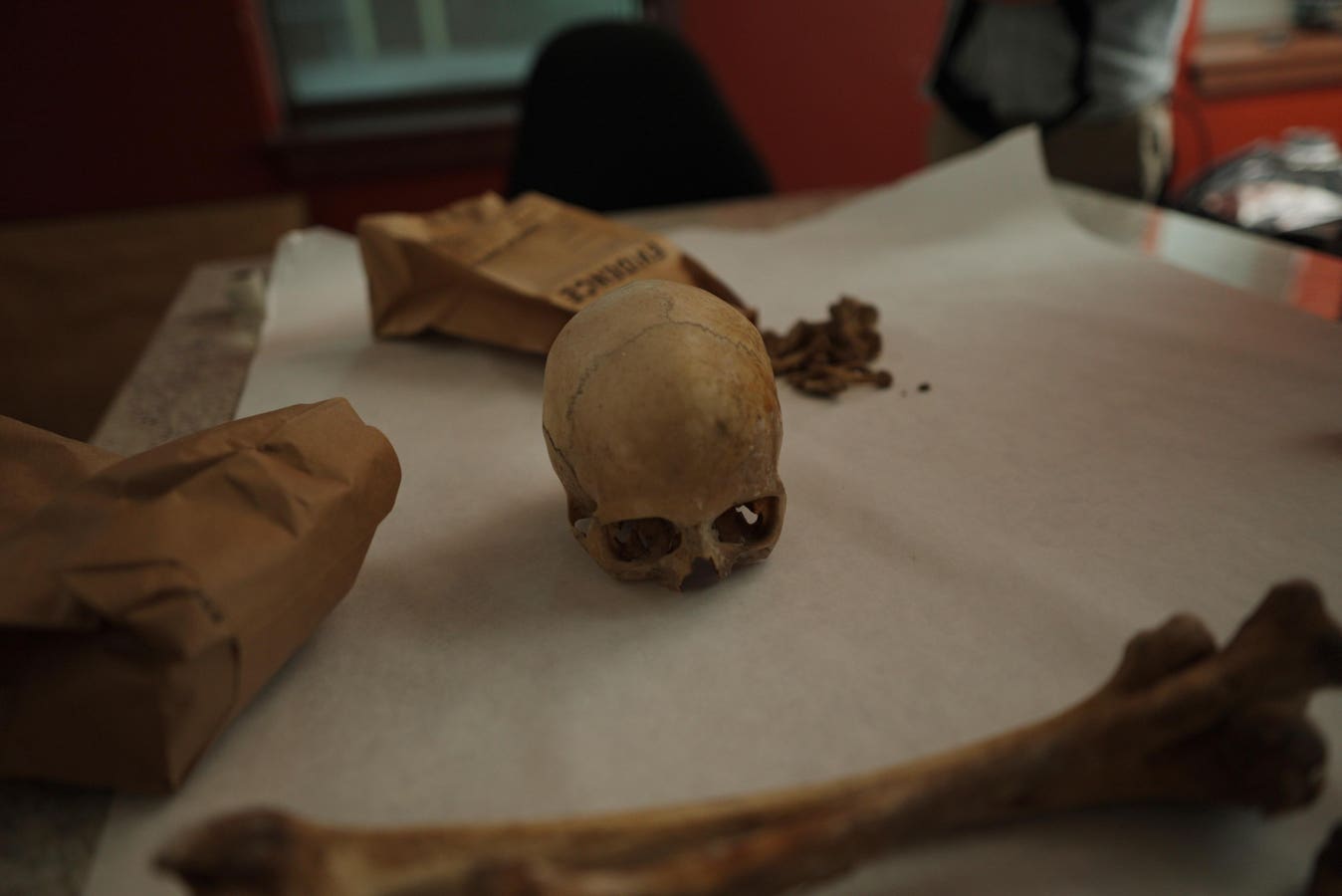
Across the United States, more than 50,000 people have died without a name. These are individuals who were never identified, never claimed and often never mourned. But thanks to forensic technology and the growing use of genetic genealogy, that’s beginning to change.
Naming the Dead Docuseries
Naming the Dead, a six-part docuseries from National Geographic, brings this invisible crisis to light. The series follows the DNA Doe Project, a nonprofit using cutting-edge DNA analysis and open-source genealogy tools to solve some of the country’s most confounding cold cases. It’s a quiet revolution in forensics, powered by algorithms, datasets and persistence.
The DNA Doe Project
The DNA Doe Project is a nonprofit organization that uses forensic genetic genealogy to identify unidentified remains. The process begins by extracting DNA from the remains, which is then uploaded to public databases to search for distant relatives. The organization’s director, Jennifer Randolph, describes the work as “a really large logic puzzle.” The excitement of solving the puzzle is balanced by the gravity of the work, as the team knows that the resolution will bring not the news the families had hoped for.
From Data to Identity
The process of forensic genetic genealogy begins by extracting DNA from unidentified remains. That data is then uploaded to public databases in search of distant relatives. It might sound simple, but it rarely is. Samples are often degraded, especially if they’ve been buried or exposed to the elements for years. Sequencing has to be precise. And even when a viable DNA profile is produced, the real challenge starts: building family trees from matches that might be third or fourth cousins, or even more distant.
My Experience with Genetic Discovery
A few years ago, the author submitted a DNA test through Ancestry.com, hoping to find a missing uncle. Although the test did not find the uncle, it revealed a half-brother the author never knew existed. The experience helped the author understand the power of genetic genealogy, especially for families of the unidentified dead. It’s not just about science; it’s about being seen and making the anonymous known.
The Tech Making It Possible
The show emphasizes how far the technology has come. Advances in next-generation sequencing have made it possible to work with even the most degraded samples—sometimes from cases that are 30 or 40 years old. That data is then uploaded to public databases like GEDmatch, FamilyTreeDNA, and DNA Justice. While private services like AncestryDNA and 23andMe hold the largest databases, they don’t allow uploads of profiles from unidentified remains.
Infrastructure for Justice
Behind the breakthroughs is a growing ecosystem of cloud-based collaboration. Investigators, coroners, volunteers, and data analysts work across states and time zones using shared digital tools. Case notes, DNA files, and potential family trees are securely stored and accessed in real time. The DNA Doe Project itself operates as a nonprofit, often covering both the cost of lab work and the countless hours of volunteer research it takes to identify a single person.
Beyond the Lab
Naming the Dead doesn’t glamorize the work. There are dead ends. Cases stall. Some episodes end with possibilities, not certainty. But the emotional core is steady—this is about restoring dignity, not just solving puzzles. The tech, as powerful as it is, still relies on human effort and intention. None of this happens without people willing to volunteer time, apply pressure, and keep showing up for the forgotten.
Conclusion
The DNA Doe Project and the Naming the Dead docuseries are bringing hope to families who have been waiting for answers for decades. The use of genetic genealogy and forensic technology is a powerful tool in identifying the unidentified dead. While the work is challenging and often emotional, it is a crucial step in restoring dignity and bringing closure to families.
FAQs
Q: What is the DNA Doe Project?
A: The DNA Doe Project is a nonprofit organization that uses forensic genetic genealogy to identify unidentified remains.
Q: How does the DNA Doe Project work?
A: The project begins by extracting DNA from unidentified remains, which is then uploaded to public databases to search for distant relatives.
Q: What is the goal of the Naming the Dead docuseries?
A: The goal of the docuseries is to bring attention to the invisible crisis of unidentified remains in the United States and to showcase the work of the DNA Doe Project.
Q: How can I watch the Naming the Dead docuseries?
A: The docuseries premieres on August 2 on National Geographic and streams the next day on Disney+ and Hulu.
Q: How can I get involved with the DNA Doe Project?
A: You can get involved by volunteering your time, donating to the organization, or spreading awareness about the project and its mission.




Portable Benefits Could Fix the Gig Economy’s Biggest Problem

Ethical Reasoning Has Become a Core Workplace Skill and Training Programs Are Missing It

Stakeholder Pressure on CEOs Has Reached a Breaking Point

Identity Resilience at Work and Why It Matters More Than Grit

The Revenge of Middle Management and Why Organizations Should Pay Attention

First-Generation Professionals Face a Different Workplace and Nobody Prepares Them for It

Small Business Survival in Underserved Communities Needs More Than Microloans

Aging Populations are Reshaping Labor Markets Faster Than Policy Can Respond

How Emotional Intelligence Can Help You Manage Stress and Build Resilience

Interview with Dr. Kristy K. Taylor, WORxK Global News Magazine Founder

Sarah Herrlinger Talks AirPods Pro Hearing Aid

Unlocking Human Potential: Kim Groshek’s Journey to Transforming Leadership and Stress Resilience

NetWork Your Way to Success: Top Tips for Maximizing Your Professional Network

The Power of Belonging: Why Feeling Accepted Matters in the Workplace

Health-care stocks fall after Warren PBM bill, Brian Thompson shooting

Glenda Benevides: Creating Global Impact Through Music
-
 Resiliency1 year ago
How Emotional Intelligence Can Help You Manage Stress and Build Resilience
-
 Career Advice2 years ago
Interview with Dr. Kristy K. Taylor, WORxK Global News Magazine Founder
-
 Diversity and Inclusion (DEIA)2 years ago
Sarah Herrlinger Talks AirPods Pro Hearing Aid
-
 Changemaker Interviews2 years ago
Unlocking Human Potential: Kim Groshek’s Journey to Transforming Leadership and Stress Resilience
-
 Career Advice2 years ago
NetWork Your Way to Success: Top Tips for Maximizing Your Professional Network
-
 Diversity and Inclusion (DEIA)2 years ago
The Power of Belonging: Why Feeling Accepted Matters in the Workplace
-
 Global Trends and Politics2 years ago
Health-care stocks fall after Warren PBM bill, Brian Thompson shooting
-
 Changemaker Interviews2 years ago
Glenda Benevides: Creating Global Impact Through Music